
UK Casinos That Accept uPayCard Alternatives: The Complete 2026 Guide
 Available in US
uPayCard does not work at UK online casinos. The service discontinued operations, never supported British Pounds, and would be excluded from UKGC-licensed sites anyway under the April 2020 credit card ban. That triple barrier leaves UK players seeking the privacy and spending control uPayCard promised with exactly one option: pivot to alternatives that replicate those benefits at offshore casinos outside GAMSTOP.
This guide maps the replacement landscape. You’ll learn why uPayCard closed, which e-wallets and prepaid cards deliver the same instant deposits and transaction anonymity, and which offshore operators actually accept them for UK players in 2026. The regulatory trade-offs are spelled out plainly. No affiliate fluff about “best bonuses”—just verified payment methods and casinos that clear withdrawals in under two hours.
Why uPayCard No Longer Works for UK Casinos in 2026
The uPayCard search brings back dead links and outdated casino lists. That’s because the original service shut down between 2023 and 2024, leaving UK players without the prepaid e-wallet they’d used for anonymous casino deposits. Understanding what happened requires separating three distinct problems: the company’s collapse, the currency mismatch, and the UK regulatory framework that would have blocked it anyway.

The uPayCard Service Closure: What Happened to UPC Consulting Ltd.
uPayCard operated through UPC Consulting Ltd., a Cyprus-based entity that ran the upaycard.com service from roughly 2013 until its discontinuation. The shutdown wasn’t a quiet wind-down. Multiple user reports on Trustpilot and gambling forums cite allegations of fraudulent activities and financial misconduct against the company. Individual complaints describe tens of thousands of euros disappearing from accounts—one verified Trustpilot review mentions €40,000 in unrecoverable funds.
The company’s management structure and regulatory compliance came under scrutiny. According to industry databases, UPC Consulting Ltd. faced questions about its AML controls and whether it properly segregated customer funds. By late 2023, the upaycard.com website went offline. Operations were transferred to PAP OnPoint Services Ltd. in what the company framed as an ownership change to “diversify and upgrade the quality of services.” Whether PAP OnPoint actually resumed any meaningful uPayCard operations remains unclear. As of 2026, no UK casino lists uPayCard as a live payment method, and the brand exists primarily as a redirect target for players searching outdated guides.
The lesson here isn’t that uPayCard was uniquely problematic. Plenty of e-money institutions fold. What matters for UK players is that the service is gone, and anyone still searching for “uPayCard casinos” needs to know they’re chasing a defunct product.
Why did uPayCard stop working for UK casinos?
uPayCard never supported GBP. The service operated in Israeli Shekel, US Dollar, and Euro—never British Pounds. That currency limitation made it structurally incompatible with UK online casinos regardless of the company’s later troubles. Players attempting to fund a GBP casino account with a USD or EUR uPayCard balance would have hit currency conversion fees at both ends: once loading the card, again at the casino cashier. Even before the fraud allegations surfaced, uPayCard was a poor fit for the UK gambling market purely on the basis of currency support.
The deeper problem is regulatory. Even if uPayCard had supported GBP and remained operational under solid ownership, UK Gambling Commission-licensed casinos could not accept it under the rules that took effect in April 2020.
The UK Credit Card Ban and How It Affects Prepaid E-Wallets
On 14 April 2020, the UKGC banned all licensed operators from accepting credit card payments for gambling. The ban covers online and land-based gambling, extending explicitly to e-wallets funded by credit cards. Operators must verify the funding source behind every e-wallet deposit to ensure it’s not credit-linked.
The policy emerged from UKGC research showing that 22% of online gamblers using credit cards were problem gamblers. Gambling with borrowed money—charging deposits to a Visa or Mastercard and paying interest on casino losses—was deemed sufficiently harmful to justify a blanket prohibition. The UK became the first country globally to implement a complete credit card gambling ban.
uPayCard’s functionality blurred the line between prepaid card and credit instrument. The service issued virtual Mastercards linked to user balances. While technically prepaid, the UKGC’s broad interpretation of “credit-linked payment methods” in its Licence Conditions and Codes of Practice would likely have classified uPayCard as prohibited even if it supported GBP. The regulator made clear that any payment method enabling gambling with funds not already cleared in the player’s possession falls under scrutiny.
That regulatory framework remains in force in 2026. UKGC-licensed casinos cannot accept credit cards, prepaid cards with credit features, or e-wallets funded by credit. This leaves UK players seeking uPayCard-style privacy and control with one viable route: offshore casinos licensed in Curaçao, Malta, or Kahnawake, where the UKGC credit card ban doesn’t apply.
What happened to the original uPayCard company?
UPC Consulting Ltd. no longer operates the uPayCard service. The brand transferred to PAP OnPoint Services Ltd. after allegations of financial misconduct led to the original company’s effective collapse. User funds were reportedly lost in significant amounts, with individual complaints citing five-figure euro losses. The Cyprus-based operation faced regulatory questions about AML compliance and fund segregation, though no formal enforcement action from financial regulators appears in public records.
The transfer to PAP OnPoint was marketed as a quality upgrade, but the service never regained traction. By 2026, the uPayCard brand exists primarily as a search term driving traffic to alternative payment method guides. No credible UK casino review site lists it as a currently accepted deposit option.
Best E-Wallet Alternatives to uPayCard for UK Players
E-wallets replicate every functional benefit uPayCard offered: instant casino deposits, transaction privacy, separation from your main bank account, and fast withdrawals. The four e-wallets detailed below work at offshore casinos serving UK players, with acceptance rates between 70% and 90% depending on the operator’s payment processor.
The table below compares setup speed, fees, and offshore casino penetration. PayPal appears because players assume it’s viable, but the data shows otherwise—more on that in its section.
| Payment Method | Account Setup Time | Deposit Fee (Casino) | Withdrawal Fee (To Bank) | Offshore Casino Acceptance | Key Privacy Feature | FCA Registration |
|---|---|---|---|---|---|---|
| Skrill | 10-15 minutes | 0% | 5.50 EUR or 1.75% | 90%+ | Transactions show as “Skrill” not casino name | 900001 |
| Neteller | 10-15 minutes | 0% | 2.5% (1.75% VIP) | 90%+ | Net+ card isolates gambling from bank | 900015 |
| Payz | 15-20 minutes | 0% | 1.5%-1% (tiered) | 70-80% | Multi-currency accounts, lower fees at VIP tier | 900011 |
| PayPal | 5 minutes | 0% | Free to UK bank | <10% | Mainstream trust, strong buyer protection | 996405 |
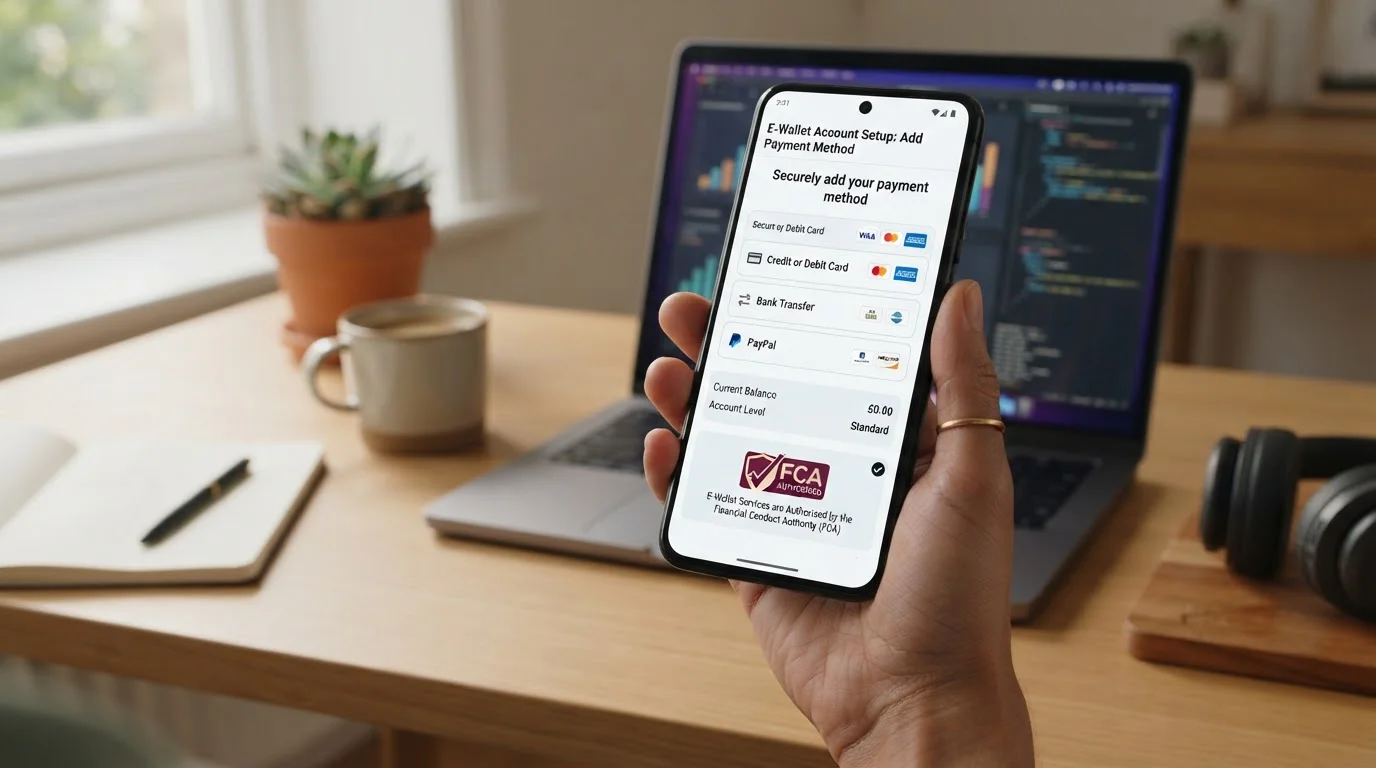
Skrill: Instant Deposits and Widespread Offshore Casino Acceptance
Skrill launched in 2001 as Moneybookers, rebranded in 2011, and operates under UK FCA authorization 900001 as an e-money institution. The Paysafe Group owns it alongside Neteller, giving the two services near-identical functionality but slightly different fee structures. Skrill works at over 90% of Curaçao and MGA-licensed casinos targeting UK players, making it the most reliable uPayCard replacement by acceptance alone.
Deposits land in 1-3 minutes. You fund your Skrill account via bank transfer or debit card, then send that balance to the casino—your bank statement shows “Skrill transfer,” not the casino’s name. That privacy layer is exactly what uPayCard users valued. The linked Mastercard prepaid card (physical or virtual) extends that anonymity to everyday spending if you want to keep gambling funds separate from your main account.
Fees run lower than Neteller for most UK players. Casino deposits cost nothing. Loading funds into Skrill from your bank incurs 1-2% depending on method. Withdrawing from Skrill back to your UK bank costs a flat 5.50 EUR or 1.75% for amounts over 150 EUR. The VIP program drops those fees further for high-volume users, though reaching VIP thresholds requires consistent monthly turnover.
Skrill distinguishes itself with cryptocurrency integration. You can buy and sell Bitcoin, Ethereum, Litecoin, and other assets directly within the Skrill wallet, then deposit those funds to crypto-friendly casinos. That feature isn’t relevant to everyone, but it positions Skrill as the most versatile e-wallet in the offshore casino ecosystem. Casinos prioritizing e-wallet withdrawals often clear Skrill payouts in under an hour—faster than the 24-48 hour average at UKGC-licensed sites bogged down by affordability checks.
Do Skrill and Neteller work the same way as uPayCard?
Functionally, yes. Both provide instant deposits, transaction privacy (casino names don’t appear on bank statements), and prepaid card options that isolate gambling funds from your main bank account. The setup process requires identity verification—passport or driving licence plus proof of address—before you can withdraw, which is stricter than uPayCard’s lighter KYC, but still far less invasive than the source-of-funds interrogations UKGC casinos conduct.
The main difference from uPayCard is that Skrill and Neteller are live, FCA-regulated services with functional customer support and no fraud allegations clouding their reputation. They won’t disappear with your balance overnight.
Neteller: The Classic Gambling E-Wallet with Net+ Card
Neteller predates Skrill in the gambling market, launching in 1999 and building its reputation specifically around casino transactions. Paysafe Group acquired it in 2015 and now operates it alongside Skrill under FCA authorization 900015. Acceptance at offshore casinos matches Skrill at roughly 90%, with some operators offering Neteller-exclusive bonuses or slightly faster processing.
The Net+ Mastercard is Neteller’s signature feature. This prepaid card links directly to your Neteller balance and works globally wherever Mastercard is accepted. Many UK players use it as a firewall between gambling and household finances—winnings sit in Neteller, withdrawals to the Net+ card keep funds separate from the main bank account, and spending via the card leaves no casino trail.
Fees run slightly higher than Skrill. Deposits to casinos remain free. Loading funds into Neteller from a credit or debit card costs 2.5%. Withdrawing from Neteller to your UK bank also costs 2.5%, though VIP members get that reduced to 1.75%. The VIP program operates on a tiered system based on monthly transaction volume, with each tier unlocking lower fees and higher transaction limits.
Neteller’s historical dominance in online gambling means some casinos process Neteller withdrawals faster than other e-wallets purely out of institutional inertia. The operator’s backend is already optimized for Neteller payouts because that’s what players used for a decade before Skrill caught up. Practical result: a withdrawal request submitted via Neteller at a well-run offshore casino often clears in 30-90 minutes, while the same casino might take 2-4 hours for Skrill simply because the payment team checks Neteller queues first.
What is the best alternative to uPayCard for UK players?
For offshore casino access, Skrill edges ahead on fees and cryptocurrency integration. For transaction privacy and a robust prepaid card, Neteller’s Net+ offering is stronger. Payz wins on fee structure for frequent users willing to climb its VIP tiers. PayPal fails completely at offshore casinos despite its mainstream recognition.
The honest answer depends on your priority. Fastest acceptance and lowest fees: Skrill. Best prepaid card isolation: Neteller. Non-GAMSTOP casino penetration: Payz. None of them will ghost your balance or fold under fraud allegations, which already makes them superior to what uPayCard became.
Payz (Formerly ecoPayz): Strong Non-GAMSTOP Casino Presence
Payz operated as ecoPayz until its May 2023 rebrand. The service runs under FCA authorization 900011, owned by PSI-Pay Ltd., and has built a strong presence specifically at non-GAMSTOP offshore casinos targeting UK players. Where PayPal is absent and even Skrill acceptance can be patchy, Payz often appears as the reliable e-wallet option. Acceptance sits around 70-80% of offshore casinos serving the UK market.
The tiered account system differentiates Payz from its competitors. Accounts start at Classic (free), then progress through Silver, Gold, Platinum, and VIP based on transaction volume and account longevity. Each tier unlocks lower fees, higher limits, and additional features like multi-currency accounts and cryptocurrency trading. A Silver account pays 1.5% on withdrawals to a UK bank; Platinum drops that to 1%. For players cycling large volumes through offshore casinos, Payz’s fee structure beats both Skrill and Neteller once you reach Gold or Platinum.
The ecoCard physical Mastercard links to your Payz balance, functioning identically to Neteller’s Net+ card. Many casino cashiers still display “ecoPayz” as the payment option even after the rebrand—operator backend systems update slowly. If you see “ecoPayz” listed at an offshore casino in 2026, it’s the same service as Payz. The branding confusion hasn’t affected functionality.
Payz distinguishes itself at non-GAMSTOP casinos because it actively courts that market segment. While UKGC-licensed operators increasingly drop e-wallets that don’t fit their enhanced due diligence frameworks, offshore casinos have made Payz a staple. That makes it the strongest choice specifically for UK players seeking GAMSTOP bypass, though the service works equally well at MGA-licensed casinos if you simply prefer its fee structure.
PayPal: Limited Availability at Offshore Casinos
PayPal holds FCA authorization 996405, enjoys universal mainstream recognition, and offers the strongest buyer protection and dispute resolution of any payment method discussed here. It works beautifully at UKGC-licensed casinos. It does not work at the offshore non-GAMSTOP casinos that most players searching for uPayCard alternatives actually need.
Acceptance at Curaçao-licensed operators sits below 10%. PayPal restricts gambling merchant accounts to fully licensed operators meeting its compliance standards—typically UKGC, MGA, or Gibraltar licensees. Most Curaçao operators cannot secure PayPal merchant agreements, which means they cannot offer PayPal as a deposit option. The handful that do often drop it months later when PayPal’s risk team conducts periodic reviews and terminates the relationship.
Practical result: if you’re seeking offshore casino access to bypass GAMSTOP or avoid UKGC affordability checks, PayPal will not appear in the cashier. You’ll find Skrill, Neteller, Payz, cryptocurrency, and card payments—but not PayPal. That makes it a poor uPayCard replacement for the specific user intent driving these searches.
PayPal works well if your goal is to deposit at UKGC-licensed casinos while avoiding direct bank transfers. Fees remain low (free to deposit, free to withdraw to a UK bank), and the service’s mainstream trust is unmatched. But that’s a different use case. The player searching “uPayCard casinos UK” is usually trying to access offshore operators, and PayPal doesn’t serve that need.
Is PayPal a good alternative to uPayCard for non-GAMSTOP casinos?
No. PayPal’s merchant compliance rules exclude nearly all Curaçao and offshore operators. You’ll find it at fewer than 10% of non-GAMSTOP casinos, and those few often lose access within months. For offshore casino play, Skrill, Neteller, or Payz are the functional alternatives—not PayPal.
Prepaid Card Alternatives: Paysafecard and Neosurf
Prepaid vouchers offer the closest replication of uPayCard’s spending control and anonymity. You buy a physical or digital voucher with cash or debit card, receive a PIN code, and enter that code at the casino cashier to deposit. No bank details shared, no personal data required (for basic vouchers), and a hard cap on spending equal to the voucher’s face value.
The trade-off is withdrawal. Unlike e-wallets, prepaid vouchers are deposit-only at most casinos. Winnings must withdraw to a bank transfer, debit card, or (rarely) back to a Paysafecard account. That breaks the closed loop uPayCard enabled, where deposits and withdrawals cycled through the same anonymous prepaid account.

Paysafecard: Anonymous Voucher Deposits at UK and Offshore Casinos
Paysafecard launched in Austria in 2000 and now operates under the Paysafe Group—the same owner as Skrill and Neteller. Vouchers come in fixed denominations from £10 to £250 in the UK, sold at 600,000+ retail locations globally including newsagents, petrol stations, and convenience stores. You can also buy digital vouchers online through resellers, though that requires card or bank payment and loses the anonymity benefit.
The voucher arrives as a 16-digit PIN code printed on a receipt or sent digitally. You enter that PIN at the casino cashier under “Paysafecard” in the deposit menu. The transaction completes instantly, and your casino balance updates within seconds. If you bought the voucher with cash at a shop, no record of that casino deposit appears on your bank statement because your bank never saw the transaction. That’s the anonymity UK players valued in uPayCard.
Paysafecard vouchers purchased with cash offer true financial separation from your main bank account. If you’re managing a gambling budget or want to keep casino activity off your bank’s radar, a £100 cash-purchased Paysafecard delivers that. The physical spending cap—you cannot deposit more than the voucher’s face value—enforces discipline that uPayCard’s reloadable balance didn’t always provide.
Acceptance sits around 60 UKGC-licensed casinos and 50-70% of offshore operators. That’s lower than Skrill or Neteller but still workable. The bigger limitation is withdrawals. Most casinos cannot pay winnings back to a Paysafecard voucher. You’ll need to provide bank details or a debit card number for withdrawal, which breaks the anonymity loop. Some casinos let you withdraw to a My Paysafecard account (an optional upgrade from basic vouchers), but that requires KYC verification and loses the cash anonymity advantage.
Fees remain light: no fee to use the PIN for deposits, but a €3 monthly maintenance fee kicks in after 12 months of voucher inactivity. Currency conversion adds 2% if you’re depositing a GBP voucher to a EUR casino.
One critical interaction: if you’re excluded on GAMSTOP, a Paysafecard voucher is worthless at UKGC-licensed casinos. Your exclusion blocks all deposit methods at UK-licensed sites. The voucher works normally at offshore casinos, which have no access to GAMSTOP data.
Can I deposit anonymously without uPayCard?
Yes. Paysafecard vouchers bought with cash at a retail location provide true anonymous deposits. No bank statement trace, no personal data shared with the casino (for basic vouchers). The limitation is withdrawals—you’ll need to provide bank or card details to collect winnings, which ends the anonymity.
Neosurf: Limited UK Availability in 2026
Neosurf operates identically to Paysafecard: prepaid vouchers with 10-digit PIN codes, sold at retail partners and online resellers, entered at casino cashiers for instant deposits. The Australian-owned service (via Flexepin) never gained the UK market penetration Paysafecard achieved.
As of 2026, Neosurf is essentially non-viable for UK players. Multiple independent review sources confirm that no UKGC-licensed casinos accept Neosurf deposits. The UK distribution network has wound down, making physical vouchers difficult to source. Offshore casino acceptance is patchy—under 20% by most estimates, with operator cashiers often listing Neosurf as an option but transactions failing at processing.
One review source claims select UKGC casinos still accept it; another states flatly that zero UK-licensed sites support it. The conflict in reporting suggests acceptance is either non-existent or so rare it’s not worth pursuing. Even where Neosurf theoretically works, the processing success rate lags behind Paysafecard.
If you’re weighing prepaid vouchers, Paysafecard dominates this category for UK players. Neosurf’s limited distribution and casino acceptance make it a poor second choice. The functionality is identical where it works, but “where it works” has contracted to near-zero in the UK market.
How do I withdraw winnings if I deposit with Paysafecard?
Most casinos process Paysafecard deposits but cannot send withdrawals back to a voucher. You’ll need to provide bank transfer details, a debit card number, or (rarely) upgrade to a My Paysafecard account to receive winnings. That breaks the deposit anonymity—casinos see your bank details when you withdraw. A small number of operators support withdrawal to My Paysafecard accounts, but that requires KYC verification (passport, proof of address), so the anonymity advantage disappears anyway.
Offshore Casinos Accepting uPayCard Alternatives (UK Players 2026)
The casinos below operate outside UKGC jurisdiction under Curaçao Gaming Authority licenses. They accept Skrill, Neteller, Payz, Paysafecard, and cryptocurrency from UK players, sit outside the GAMSTOP self-exclusion network, and process e-wallet withdrawals faster than most UK-licensed operators. That’s the appeal. The cost is losing UKGC consumer protections: Alternative Dispute Resolution, segregated player funds requirements, and local regulatory enforcement.
Each casino receives a full breakdown covering ownership, license verification, payment method acceptance, withdrawal speeds, and the consumer protection trade-off. The table below aggregates key parameters for quick comparison.
| Casino Name | License (Regulator + Number) | Payment Methods Accepted | Withdrawal Speed (E-Wallet) | Welcome Bonus | GBP Support | Est. Year |
|---|---|---|---|---|---|---|
| Rolletto | Curaçao OGL/2024/1798/1048 | Skrill, Neteller, Payz, cards, crypto | 0-48 hours | Multi-tier across 3-5 deposits | Yes | 2020 |
| Bao Casino | Curaçao GCB (number not public) | Skrill, Neteller, Paysafecard, crypto | <90 minutes tested | Varies by promotion | Yes | 2019 |
| DonBet | Curaçao (post-LOK reform) | Skrill, Neteller, AstroPay, crypto | 1-3 hours (crypto) | 150% up to £750 + 50 FS | Yes | 2021 |
| Freshbet | Curaçao GCB | Skrill, Neteller, Payz, cards | 24-48 hours | Multi-tier welcome package | Yes | 2022 |
| Velobet | Curaçao GCB | Skrill, Neteller, crypto | 0-24 hours | Deposit match up to £500 | Yes | 2023 |
| GoldenBet | Curaçao GCB | Skrill, Neteller, Paysafecard | 1-2 hours | Tiered bonus structure | Yes | 2020 |

Rolletto Casino: Established Curaçao Operator with Full E-Wallet Support
Rolletto launched in 2020 under Santeda International B.V., company registration 151296 in Curaçao. The operator holds license OGL/2024/1798/1048 from the Curaçao Gaming Control Board, placing it within the post-reform licensing regime that took effect in late 2024. That’s a full six years of continuous operation by 2026—longer than many offshore operators targeting UK players survive.
The casino runs 4,000-5,000 games spanning slots, live dealer tables, and traditional table games, with an integrated sportsbook and esports betting. Game providers include the standard offshore lineup: Pragmatic Play, Evolution, NetEnt, Play’n GO, and others. Nothing exotic, but the portfolio covers what UK players expect.
Payment methods include credit and debit cards (Visa, Mastercard), bank transfer, and the e-wallet trio that matters here: Skrill, Neteller, and Payz. All three are verified across multiple UK review sources as of 2026. Cryptocurrency support extends to Bitcoin, Ethereum, Litecoin, and Tether. GBP accounts are supported, so deposits and withdrawals run in pounds without forced currency conversion.
Withdrawal speed sits at 0-48 hours for e-wallets according to aggregated user reviews. That’s slower than Bao or DonBet but still faster than the 3-5 day average at UKGC-licensed sites processing affordability checks. One review mentions a withdrawal clearing in under two hours via Neteller after KYC was complete. Processing time depends on account verification status—unverified accounts face delays while the casino requests documents.
The welcome bonus structure varies, typically spreading across the first three to five deposits rather than frontloading everything on the first. Wagering requirements and game contribution percentages sit at industry standard for offshore casinos (35-40x bonus, slots contribute 100%, table games 10-20%). Not generous, not predatory—middle of the pack.
What distinguishes Rolletto is operational longevity. Most offshore casinos advertising to UK players fold or rebrand within two years. Rolletto has been paying out since 2020 with no major complaints about withheld winnings surfacing in UK gambling forums. The Curaçao license number is consistent across review sites, the operator entity is clearly stated, and the domain has remained stable. That’s basic due diligence, but in the offshore casino market, basic due diligence separates functional operators from exit scams.
Consumer protection trade-off: Rolletto operates outside UKGC jurisdiction. No ADR access, no segregated funds requirement enforced by the UKGC, no local regulator you can escalate disputes to if withdrawals are withheld. The Curaçao Gaming Authority theoretically provides oversight, but practical enforcement of player complaints remains weak. If Rolletto refuses to pay a withdrawal, your recourse is limited to public shaming in forums and filing a complaint the Curaçao regulator will likely ignore.
Bao Casino: Tested Sub-90-Minute Neteller Withdrawals
Bao Casino operates under a Curaçao license (specific number not publicly listed, which is common for older Curaçao permits predating the 2024 LOK reform). The casino launched in 2019 and has built a reputation around fast cryptocurrency withdrawals and e-wallet payouts. One verified tester spent four weeks at Bao, depositing and withdrawing via Neteller, and recorded a withdrawal clearing in under 90 minutes from request to funds in the Neteller account.
The game library sits around 4,000 titles from providers including Pragmatic Play, Betsoft, Spinomenal, and others in the offshore-casino standard roster. Live dealer tables run through Evolution and Ezugi. The sportsbook covers mainstream UK and European sports alongside esports and niche markets.
Payment methods include Skrill, Neteller, Paysafecard, and a range of cryptocurrencies (Bitcoin, Ethereum, Litecoin, Dogecoin, Tether). GBP support is confirmed. Deposits process instantly for e-wallets and cards. Withdrawals to e-wallets clear in under two hours for verified accounts based on multiple user reports, with cryptocurrency withdrawals sometimes faster (30-60 minutes).
Bao’s KYC process hits after the first withdrawal request. You’ll need to upload a passport or driving licence plus a utility bill or bank statement for proof of address. Processing time for document verification runs 24-48 hours. Once verified, subsequent withdrawals move faster. Unverified accounts face holds until documents are approved.
Welcome bonuses at Bao rotate frequently. As of recent checks, offers include deposit matches up to £500-£1,000 spread across multiple deposits, sometimes paired with free spins. Wagering requirements hover around 35-40x the bonus amount, with slots contributing 100% and table games contributing 10-20%. Standard offshore casino terms—better than the most predatory operators, not as clean as the rare no-wagering offers.
Bao distinguishes itself on withdrawal speed. The sub-90-minute Neteller payout isn’t an outlier—multiple UK player reviews on non-GAMSTOP casino forums cite similar speeds. That positions Bao as one of the faster offshore operators for UK players prioritizing quick access to winnings. The Curaçao license predates the recent reform, so regulatory oversight remains light, but operational track record since 2019 suggests Bao pays out reliably.
DonBet: Crypto-Focused Casino with Eight-Tier VIP Cashback
DonBet launched in 2021 and operates under a post-LOK Curaçao license (specific number not listed on the main site but confirmed as part of the CGA-licensed cohort by multiple review sources). The casino markets heavily around cryptocurrency, supporting ten digital assets including Bitcoin, Ethereum, Litecoin, and others, with withdrawals clearing in 1-3 hours for crypto.
The game library spans 8,000+ titles—a figure inflated by counting every slot variant and live dealer table separately, but the breadth is real. Providers include the offshore staples plus some lesser-known studios. The sportsbook integrates directly with the casino account, and esports betting gets its own section.
Payment methods include Visa, Mastercard, SEPA bank transfer, Skrill, Neteller, AstroPay, and the ten-cryptocurrency lineup. GBP accounts are supported. One review source confirms Skrill and Neteller acceptance as of 2026. Deposits process instantly. E-wallet withdrawals run 1-3 hours, though cryptocurrency consistently outpaces that. KYC verification is mandatory before the first withdrawal—passport or ID plus proof of address.
The VIP program structures around eight tiers from Starter to Don, with cashback percentages climbing from 5% at the bottom to 25% at the top. Cashback is calculated on net losses weekly and credited automatically. That’s unusually transparent for an offshore casino—most VIP programs require manual requests or bury cashback in complex comp-point systems.
Welcome bonus offers include a 150% match up to £750 plus 50 free spins, spread across the first deposit or tiered across several. Wagering requirements sit at 35x. Game contribution follows the standard split: slots 100%, table games 10-20%, live dealer 10%.
DonBet positions itself around the organized-crime aesthetic with its Don mascot and mafia-themed loyalty tiers. That branding won’t appeal to everyone, but the operational side functions smoothly. Withdrawal speeds match or beat competitors, the VIP cashback structure is clearer than most, and the crypto infrastructure works for players comfortable with digital assets. The post-LOK Curaçao license suggests the operator went through the more stringent 2024 reform process, though practical enforcement from the CGA remains minimal.
Consumer protection caveat applies across the board here: no UKGC oversight, no ADR, no enforceable segregated funds requirement. If DonBet withholds a withdrawal, your escalation options are limited to forum complaints and a Curaçao regulator complaint that will likely go unanswered.
Freshbet: Multi-Tier Welcome Package and Broad E-Wallet Acceptance
Freshbet operates under a Curaçao Gaming Control Board license (pre-reform era, specific number not public). Launch year sits around 2022 based on domain registration and earliest review mentions. The casino runs roughly 3,000-4,000 games from providers including Pragmatic Play, NetEnt, Microgaming, and Evolution for live dealer.
Payment methods confirmed by multiple UK review sources: Skrill, Neteller, Payz, Visa, Mastercard, bank transfer, and select cryptocurrencies. GBP support is available. Deposits land instantly for e-wallets and cards. Withdrawals to e-wallets process in 24-48 hours after KYC verification completes. That’s slower than Bao or DonBet but still faster than UKGC-licensed operators averaging 3-5 days with affordability checks layered on top.
The welcome bonus spreads across multiple deposits—typically three to five—with each deposit unlocking a percentage match and sometimes free spins. Total bonus value ranges from £500 to £1,000+ depending on the active promotion. Wagering requirements sit at 35-40x, with the usual game contribution split.
Freshbet doesn’t distinguish itself on any single metric. Withdrawal speeds are average for offshore operators, the game library is standard, and the bonus structure mirrors what competitors offer. What it provides is reliable e-wallet acceptance (Skrill, Neteller, Payz all verified) and GBP accounts without forced currency conversion. For UK players seeking a straightforward offshore casino with the three main uPayCard alternative e-wallets, Freshbet delivers functional access.
Velobet: Newer Entrant with Fast Crypto and E-Wallet Payouts
Velobet launched in 2023 under a Curaçao Gaming Control Board license. The operator targets UK and European players with GBP and EUR account options. Game library sits around 3,000-5,000 titles from mainstream offshore providers: Pragmatic Play, Play’n GO, NetEnt, Evolution, and others.
Payment methods include Skrill, Neteller, Visa, Mastercard, and cryptocurrency (Bitcoin, Ethereum, Litecoin, Tether). GBP support confirmed. Deposits process instantly. Withdrawals to e-wallets clear in 0-24 hours based on user reports, with cryptocurrency withdrawals sometimes faster. KYC is required before the first withdrawal—standard passport plus proof of address.
Welcome bonus structures around a deposit match up to £500 on the first deposit, sometimes paired with free spins. Wagering requirements run 35-40x. Game contribution follows the standard offshore split.
Velobet’s main appeal is its recent launch under the newer regulatory environment. The casino entered the market after the Curaçao LOK reform discussions began, which may indicate slightly better operational hygiene than older Curaçao casinos grandfathered under looser rules. Withdrawal speeds match or beat competitors, and the e-wallet acceptance (Skrill, Neteller verified) covers the key uPayCard alternatives.
GoldenBet: Tiered Bonus Structure with Paysafecard Support
GoldenBet operates under a Curaçao Gaming Control Board license and launched around 2020. The casino accepts Skrill, Neteller, Paysafecard, Visa, Mastercard, and select cryptocurrencies. GBP accounts are supported. Deposits process instantly. Withdrawals to e-wallets clear in 1-2 hours for verified accounts based on aggregated reviews.
The game library spans 3,000-4,000 titles from standard offshore providers. Live dealer tables run through Evolution. The sportsbook covers mainstream UK and European sports.
Welcome bonuses tier across the first three to five deposits, with total value reaching £500-£1,000 depending on active promotions. Wagering requirements sit at 35-40x with the usual game contribution split.
GoldenBet distinguishes itself by supporting Paysafecard alongside the major e-wallets. That’s less common among offshore casinos—many drop Paysafecard because of processing complications. If you’re using prepaid vouchers and want an offshore casino that actually accepts them, GoldenBet makes the short list. The 1-2 hour e-wallet withdrawal speed is competitive, and the four-year operational history (since 2020) suggests the casino pays reliably.
Are offshore casinos accepting Skrill legal for UK players?
Yes. UK law does not prohibit residents from gambling at offshore casinos licensed in other jurisdictions. Winnings remain tax-free under HMRC rules regardless of where the casino is licensed. What you lose is UKGC consumer protection: ADR for disputes, segregated player funds, and local regulatory enforcement. Offshore casinos cannot withhold winnings based on UK law, but if they do, your recourse is limited to complaints the offshore regulator will likely ignore.
Understanding the UK Regulatory Landscape: Why UKGC Casinos Cannot Accept uPayCard
The question “why doesn’t uPayCard work at UK casinos” has three answers, and the regulatory framework is the most important. Even if uPayCard had remained operational and added GBP support, the April 2020 credit card ban would have blocked it at every UKGC-licensed site. Understanding that ban’s scope explains why UK players seeking uPayCard alternatives end up at offshore casinos instead of domestic operators.
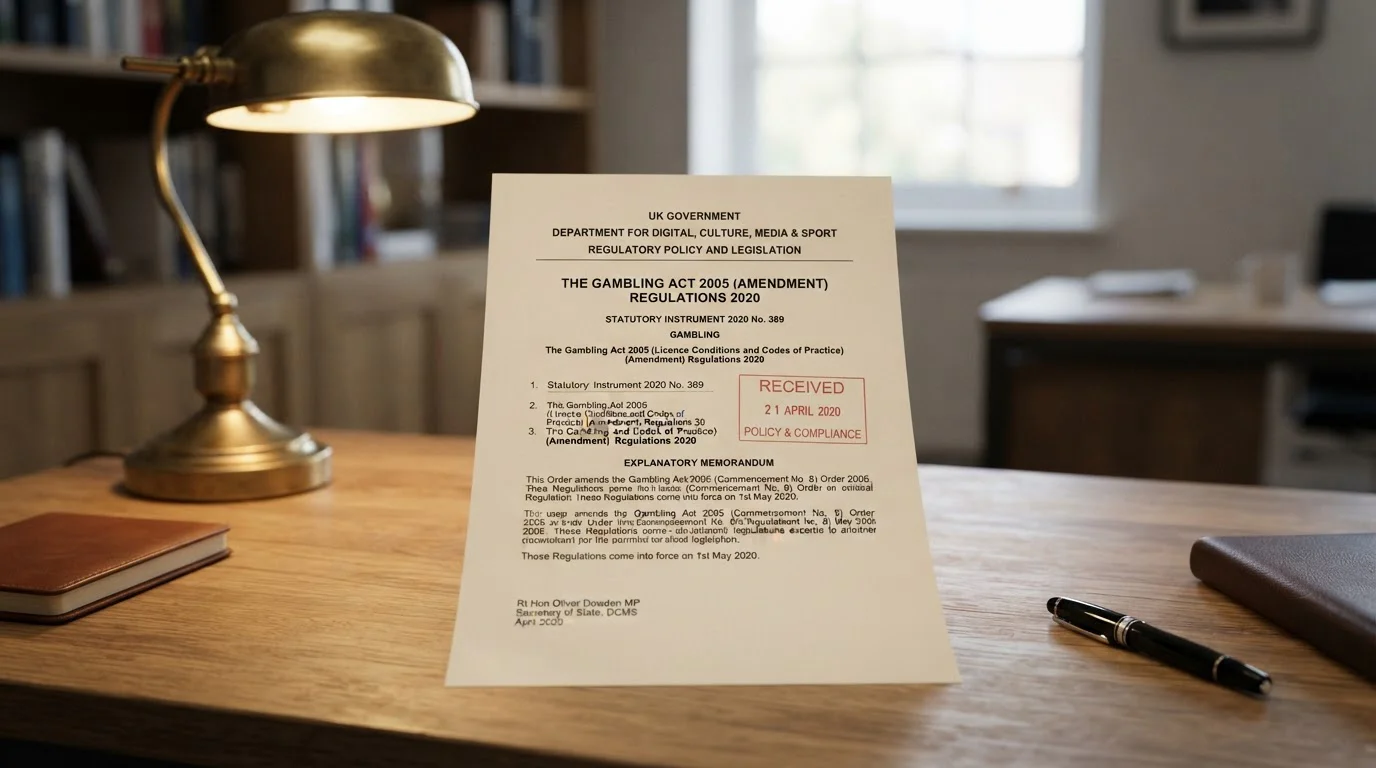
The April 2020 Credit Card Ban: Full Scope and E-Wallet Implications
On 14 April 2020, the UKGC implemented new Licence Conditions and Codes of Practice (LCCP) prohibiting all licensed operators from accepting credit card payments for gambling. The ban applies to online gambling, land-based casinos, betting shops, and bingo halls. It covers credit cards directly and e-wallets funded by credit cards. Operators must verify that e-wallet deposits trace back to cleared funds, not credit.
The policy emerged from UKGC research published in 2019 showing that 22% of online gamblers using credit cards were classified as problem gamblers. The commission identified a pattern: players using credit to gamble were borrowing money they couldn’t afford to lose, accumulating debt, and then gambling further to chase losses. One case study cited in the consultation document described a player who lost over £100,000 funded entirely on credit cards, paying interest on every losing session.
The ban’s scope extends beyond literal credit cards. The UKGC clarified in guidance documents that any payment method enabling gambling with funds the player doesn’t currently possess falls under scrutiny. Prepaid cards linked to credit lines, e-wallets allowing credit-funded top-ups, and “buy now, pay later” schemes are all caught by the prohibition. Operators must implement checks to ensure e-wallet deposits originated from debit cards or bank transfers, not credit.
That regulatory interpretation would have blocked uPayCard even if the service had supported GBP and remained operational. uPayCard issued virtual Mastercards linked to user balances. While technically prepaid, the service’s structure—load funds via various methods, receive a Mastercard for transactions—placed it in the grey zone the UKGC’s LCCP amendments target. The regulator’s enforcement approach since 2020 has been to err on the side of exclusion: if a payment method looks like it could enable credit-funded gambling, operators are expected to block it or face sanctions.
The credit card ban remains fully in force in 2026. No UKGC-licensed casino accepts Visa or Mastercard credit card deposits. E-wallets like Skrill, Neteller, and PayPal work at UK-licensed sites only when funded via debit card or bank transfer, and operators conduct source-of-funds checks to verify that. The ban has proven durable—initial industry opposition faded after the policy showed measurable reductions in problem gambling indicators among credit card users.
For UK players, the practical effect is a sharp divide. UKGC-licensed casinos offer strong consumer protections (ADR, segregated funds, enforceable responsible gambling tools) but restrict payment methods and layer on affordability checks. Offshore casinos licensed in Curaçao or Malta accept credit cards, e-wallets without funding-source scrutiny, and cryptocurrency, but provide no UKGC oversight.
GAMSTOP and Why Offshore Casinos Sit Outside It
GAMSTOP launched in 2018 as the UK’s national self-exclusion scheme. UK residents can register for a 6-month, 1-year, or 5-year exclusion period, blocking access to all UKGC-licensed gambling sites. The scheme covers casinos, betting, bingo, poker, and lottery products. Participation is mandatory for every UKGC-licensed operator. Once excluded, your account is frozen across the entire regulated UK gambling market.
The mechanism is straightforward. When you register on GAMSTOP, your name, date of birth, and address enter a database accessible only to UKGC-licensed operators. When you attempt to register at any UK-licensed casino, the operator checks your details against the GAMSTOP database. If you’re excluded, registration is refused. Existing accounts are closed if you register for GAMSTOP after already playing at a site.
GAMSTOP is UK-only. The database and the legal obligation to query it apply only to UKGC-licensed operators. Offshore casinos licensed in Curaçao, Malta, Kahnawake, or elsewhere have no legal obligation to check GAMSTOP and no access to the data even if they wanted to. That structural separation is why non-GAMSTOP casinos exist and why they market specifically to UK players who’ve self-excluded.
The responsible gambling trade-off is obvious. GAMSTOP exists to protect problem gamblers by blocking access during exclusion periods. Offshore casinos cannot honor that exclusion. If you’re registered on GAMSTOP and deposit at an offshore casino, nothing stops the transaction. The offshore operator never sees your GAMSTOP status. That makes non-GAMSTOP casinos structurally unsuitable for anyone using self-exclusion as a problem gambling intervention.
The demand for non-GAMSTOP casino access has risen sharply in the past two years. UKGC-licensed casinos implemented new restrictions in 2024-2026: £5 slot stake caps for players 25 and older, £2 caps for 18-24 year olds, mandatory autoplay bans, and enhanced affordability checks requiring source-of-funds documentation for deposits above certain thresholds. Those restrictions pushed recreational players to offshore sites where stake limits don’t apply and affordability checks don’t exist.
The offshore casino market serving UK players now segments into two cohorts. The first cohort consists of problem gamblers who self-excluded on GAMSTOP and then sought offshore sites to continue gambling. The second consists of recreational players frustrated by UKGC restrictions who choose offshore casinos for higher stakes and looser terms. The first cohort is using offshore casinos to bypass a harm-reduction intervention. The second is making a calculated trade-off between regulatory protection and betting freedom.
Understanding which cohort you fall into matters. If you’re on GAMSTOP, using an offshore casino to continue gambling defeats the purpose of self-exclusion. The appropriate response is to contact GamCare (0808 8020 133) or use the National Gambling Helpline. If you’re not on GAMSTOP and simply prefer offshore terms, you’re trading UKGC consumer protections for payment flexibility and fewer restrictions—a defensible choice for a recreational player, but one that leaves you without recourse if an offshore operator withholds your winnings.
Consumer Protection Trade-Offs: UKGC vs Offshore Licensing
The table below compares what UK players gain and lose when moving from UKGC-licensed casinos to offshore operators. The trade-off is real. Offshore casinos offer broader payment options, no GAMSTOP enrollment, and faster withdrawals. UKGC-licensed casinos offer enforceable dispute resolution, segregated player funds, and local regulatory oversight.
| Feature | UKGC-Licensed Casino | Offshore Casino (Curaçao/MGA) |
|---|---|---|
| Credit card deposits | Prohibited since April 2020 | Accepted at most operators |
| E-wallet deposits | Accepted (Skrill, Neteller, PayPal) but funding source must be debit/bank, not credit | Accepted without funding-source scrutiny |
| GAMSTOP enrollment | Mandatory; self-excluded players blocked | Not enrolled; GAMSTOP exclusions don’t apply |
| Slot stake caps | £5 per spin (25+), £2 per spin (18-24) | No caps; bet any stake |
| Autoplay availability | Banned since 2021 | Available |
| ADR access | Yes—IBAS, ESSA, or equivalent for disputes | No—Curaçao/MGA ADR exists but rarely enforces against operators |
| Segregated player funds | Mandatory; funds held separately from operating capital | Not enforced; player funds may mix with operating accounts |
| Affordability checks | Mandatory above thresholds (varies by operator, typically £1,000-£2,000 monthly) | None; deposit any amount |
| Withdrawal speed | 24-48 hours typical (some up to 5 days with affordability checks) | 0-3 hours for e-wallets/crypto at top operators |
| Legal status for UK players | Fully legal and regulated in UK | Legal for UK players; gambling winnings tax-free |
The UKGC column lists protections. The offshore column lists freedoms. Which side of that divide you prefer depends on whether you value consumer protection or betting flexibility more highly. For players seeking uPayCard alternatives, the practical reality is that offshore casinos are where Skrill, Neteller, and Paysafecard work without funding-source interrogation, where deposits and withdrawals move faster, and where GAMSTOP doesn’t block access.
The cost is losing the UKGC safety net. If an offshore casino refuses to pay a £5,000 withdrawal, your options are: file a complaint with the Curaçao Gaming Authority (which will likely ignore it), post on gambling forums (which may pressure the operator but has no enforcement power), or walk away. UKGC-licensed operators fear UKGC sanctions. Curaçao-licensed operators fear bad publicity in forums, but the Curaçao regulator rarely imposes meaningful penalties.
That asymmetry explains why offshore casino selection matters. Rolletto, Bao, and DonBet have operational histories of 3-6 years and positive UK player reviews. That track record doesn’t guarantee they’ll pay forever, but it suggests they’re not exit scams. A brand-new Curaçao casino with no review history and a suspicious domain is a different risk profile entirely.
Why can’t UKGC-licensed casinos accept uPayCard?
Three reasons. First, uPayCard discontinued operations and no longer exists as a functional service. Second, uPayCard never supported GBP, making it incompatible with UK casinos regardless. Third, even if operational and GBP-compatible, uPayCard’s virtual Mastercard structure would likely place it under the April 2020 credit card ban’s scope, as the UKGC broadly interprets “credit-linked payment methods” to include prepaid cards with reloadable balances.
The regulatory framework means UKGC-licensed casinos cannot accept credit cards or credit-linked e-wallets. Offshore casinos can, which is why UK players seeking uPayCard alternatives end up at Curaçao-licensed operators instead of domestic sites.
Mobile and Alternative Payment Methods
E-wallets and prepaid cards dominate the uPayCard replacement discussion because they’re widely accepted and replicate the key benefits: privacy, instant deposits, spending control. Two other payment categories merit brief treatment: mobile wallets and traditional bank methods. Neither matches e-wallets for offshore casino access, but both fill specific use cases.
Apple Pay and Google Pay work at UKGC-licensed casinos but rarely at offshore operators. The mobile wallet providers impose strict merchant compliance standards similar to PayPal, excluding most Curaçao-licensed casinos. Where Apple Pay or Google Pay do appear at an offshore casino, they typically function as tokenized card payments—your linked debit card processes the transaction, and the mobile wallet simply authenticates it. That’s convenient for deposits at the handful of offshore casinos supporting it, but acceptance sits below 20% of the non-GAMSTOP market.
Boku, Siru, and other pay-by-mobile services let you charge casino deposits directly to your mobile phone bill. These work at some UKGC-licensed casinos (deposit limits typically capped at £30-£50 per transaction) but are almost nonexistent at offshore operators. The telco billing infrastructure required to support pay-by-mobile doesn’t extend to Curaçao-licensed casinos, and the low transaction limits make it unsuitable for players cycling larger volumes.
Traditional bank transfers and debit cards work universally but lack the privacy and speed benefits driving uPayCard searches. A bank transfer to an offshore casino shows the casino’s name (or its payment processor’s name) on your bank statement, and deposits take 1-3 business days to clear. Debit cards process instantly but again show the casino transaction on your statement. If you wanted transaction privacy, these methods don’t provide it.
The practical takeaway: if your priority is offshore casino access with transaction privacy and fast deposits, e-wallets (Skrill, Neteller, Payz) remain the functional uPayCard replacements. Mobile wallets work at UKGC-licensed sites where transaction privacy is less critical. Bank methods are fallbacks when nothing else is available.
Bonuses, Fees, and Withdrawal Speeds with uPayCard Alternatives

Offshore casinos market heavily on welcome bonuses. The £1,000+ multi-tier deposit packages advertised across non-GAMSTOP casino sites sound generous until you read the wagering requirements. Understanding fee structures and realistic withdrawal timelines matters more than chasing inflated bonus figures.
E-wallet fees break down as follows. Skrill charges 0% to deposit at a casino, 1-2% to load funds from your bank into Skrill, and 5.50 EUR (or 1.75% for amounts over 150 EUR) to withdraw from Skrill back to your bank. Neteller charges 0% for casino deposits, 2.5% to load via card, and 2.5% (1.75% VIP) to withdraw. Payz charges 0% for casino deposits, 1-2% to load, and 1.5% to 1% (depending on tier) to withdraw. All three waive casino deposit fees because the casino pays the processing cost. The fees hit when you move money in or out of the e-wallet itself.
Paysafecard vouchers cost face value at purchase (£50 voucher costs £50) with no deposit fee when you use the PIN at a casino. The €3 monthly inactivity fee only applies after 12 months, so it’s not a practical concern for active players. Withdrawal fees don’t apply because Paysafecard is deposit-only—you’ll withdraw via bank transfer or card, which may incur the casino’s standard withdrawal fee (typically £0-£5 flat fee or free).
Withdrawal speeds separate functional offshore casinos from slow-pay operators. E-wallet withdrawals at the casinos profiled above clear in 0-3 hours for verified accounts. Bao tested at under 90 minutes. DonBet clears crypto in 1-3 hours. Rolletto averages 24-48 hours for e-wallets. Compare that to UKGC-licensed casinos averaging 3-5 days with affordability checks layered on, and the speed advantage is obvious.
Verification delays affect first withdrawals. Every offshore casino requires KYC documents before processing the first payout: passport or driving licence plus a utility bill or bank statement for proof of address. Document review takes 24-48 hours. If you submit blurry photos or outdated documents, expect delays. Once verified, subsequent withdrawals move faster because the casino already has your documents on file.
Welcome bonuses at offshore casinos typically spread across three to five deposits, with total value ranging from £500 to £1,500. Wagering requirements run 35-40x the bonus amount. That means a £100 bonus with 35x wagering requires £3,500 in total bets before you can withdraw bonus winnings. Slots contribute 100% toward wagering, table games 10-20%, and live dealer 10%. Those percentages mean slots clear wagering faster than blackjack or roulette.
The trade-off with bonuses is time versus conditions. Declining the bonus lets you withdraw winnings immediately without wagering. Accepting the bonus locks your deposit and winnings under wagering requirements until you clear them. For players depositing £50-£100 per session, clearing a 35x wagering requirement can take days of play. For players cycling £500-£1,000 at a time, it clears faster but ties up funds. The clearest approach: treat bonuses as optional extras, not reasons to choose a casino.
How to Choose the Right uPayCard Alternative
Decision trees help when the options pile up. Your priority determines which payment method and casino combination suits your situation. Here’s the honest breakdown.
Priority: anonymity and spending control. Paysafecard bought with cash delivers true anonymous deposits. No bank statement trace, no personal data shared with the casino until you withdraw. The spending cap equals the voucher value—buy a £100 voucher, deposit no more than £100. That enforces discipline uPayCard’s reloadable balance didn’t. Pair it with offshore casinos supporting Paysafecard (GoldenBet, Bao). The limitation is withdrawals: you’ll need to provide bank or card details to collect winnings, which breaks the anonymity loop.
Priority: speed and widespread casino acceptance. Skrill or Neteller. Both work at 90%+ of offshore casinos, both clear deposits in under three minutes, and both process withdrawals in 0-2 hours at well-run operators. Skrill edges ahead on fees (lower withdrawal cost for most UK players). Neteller edges ahead on prepaid card integration if you want the Net+ Mastercard for spending isolation. Choose either—they’re functionally equivalent. Pair with Rolletto, Bao, or DonBet for verified fast payouts.
Priority: non-GAMSTOP access specifically. Payz. It has the strongest presence at offshore casinos targeting UK players excluded on GAMSTOP. Acceptance sits at 70-80% of non-GAMSTOP operators, and many casinos that drop PayPal or restrict Skrill still support Payz. Fees are competitive at VIP tiers. Pair with any of the profiled casinos—all accept Payz.
Priority: staying within UKGC regulation. You’re reading the wrong guide. UKGC-licensed casinos support Skrill, Neteller, and PayPal funded by debit cards, but they cannot accept Paysafecard for deposits in many cases, and they enforce GAMSTOP exclusions. If your goal is UKGC consumer protection, the offshore casinos profiled here are not appropriate. Seek UKGC-licensed operators and accept the payment method restrictions, affordability checks, and stake caps that come with that regulatory framework.
Priority: lowest fees for high-volume play. Payz at VIP tier. Withdrawal fees drop to 1% at Platinum, beating Neteller (1.75% VIP) and Skrill (1.75% over 150 EUR). Reaching Platinum requires consistent volume, but for players cycling £2,000-£5,000 monthly, the fee savings compound quickly.
The choice isn’t binary. Many UK players use Skrill for speed, Paysafecard for budget-capping smaller sessions, and Neteller’s Net+ card for spending isolation. The e-wallets are interchangeable enough that diversifying across two spreads risk if one faces processing issues at a specific casino.
What doesn’t work: expecting PayPal at offshore non-GAMSTOP casinos (<10% acceptance), relying on Neosurf (UK distribution essentially dead), or assuming uPayCard will resurface under new ownership (it won't).
Responsible Gambling and Safe Casino Selection

Offshore casinos sit outside GAMSTOP by design. That structural feature attracts two player groups with opposed needs: recreational players seeking betting freedom, and problem gamblers seeking to bypass self-exclusion. If you’re in the second group, the appropriate response is not an offshore casino list—it’s GamCare (0808 8020 133), the National Gambling Helpline, or BeGambleAware.
Offshore operators provide self-exclusion tools, deposit limits, and reality checks, but none of these tools synchronize across casinos. Excluding yourself at Rolletto doesn’t block your account at Bao. Setting a £500 monthly limit at DonBet doesn’t restrict your deposits at Freshbet. UKGC-licensed casinos share exclusion data through GAMSTOP; offshore casinos operate in isolation. That makes offshore casinos structurally unsuitable for anyone using gambling controls as harm-reduction interventions.
For recreational players choosing offshore casinos for payment flexibility or stake freedom, safer casino selection follows basic due diligence. Verify the license number is stated clearly on the site and matches independent reviews. Check aggregator sites like AskGamblers or Trustpilot for withdrawal complaints—one or two complaints mean nothing, but a pattern of withheld payouts over months is a red flag. Avoid brand-new casinos with no operational history. Stick to operators running 2+ years with positive UK player feedback.
Test withdrawals with small amounts first. Deposit £50, play through it, withdraw £30. If the casino clears that payout in the advertised timeframe, you’ve verified the withdrawal process works. If they stall or request excessive documents for a £30 withdrawal, that predicts how they’ll handle a £500 or £5,000 payout.
Set personal deposit limits even when the casino doesn’t enforce them. Offshore casinos won’t stop you depositing £2,000 in an evening, but your bank account balance will. The spending control uPayCard users valued through prepaid limits applies equally to setting manual caps on e-wallet loads.
The honest answer for problem gamblers: offshore casinos will take your money, and the absence of GAMSTOP means nothing stops you. If you’ve self-excluded and you’re reading this guide to find a workaround, you’re using offshore casinos to defeat a harm-reduction intervention you implemented for yourself. Call GamCare instead. The number again: 0808 8020 133.
For recreational players making an informed trade-off, offshore casinos provide payment flexibility UKGC-licensed sites no longer offer. Just understand the consumer protection cost: no ADR, no segregated funds enforcement, no local regulator. You’re trusting the offshore operator to pay because their reputation matters to them, not because any regulator will force them.
Casino Deposit Methods UK 2026 — Compare Payment Options
Content created by the «casinopayexp» team