
Casino Not on GamStop Instant Withdrawal: Tested UK Guide 2026
 Available in US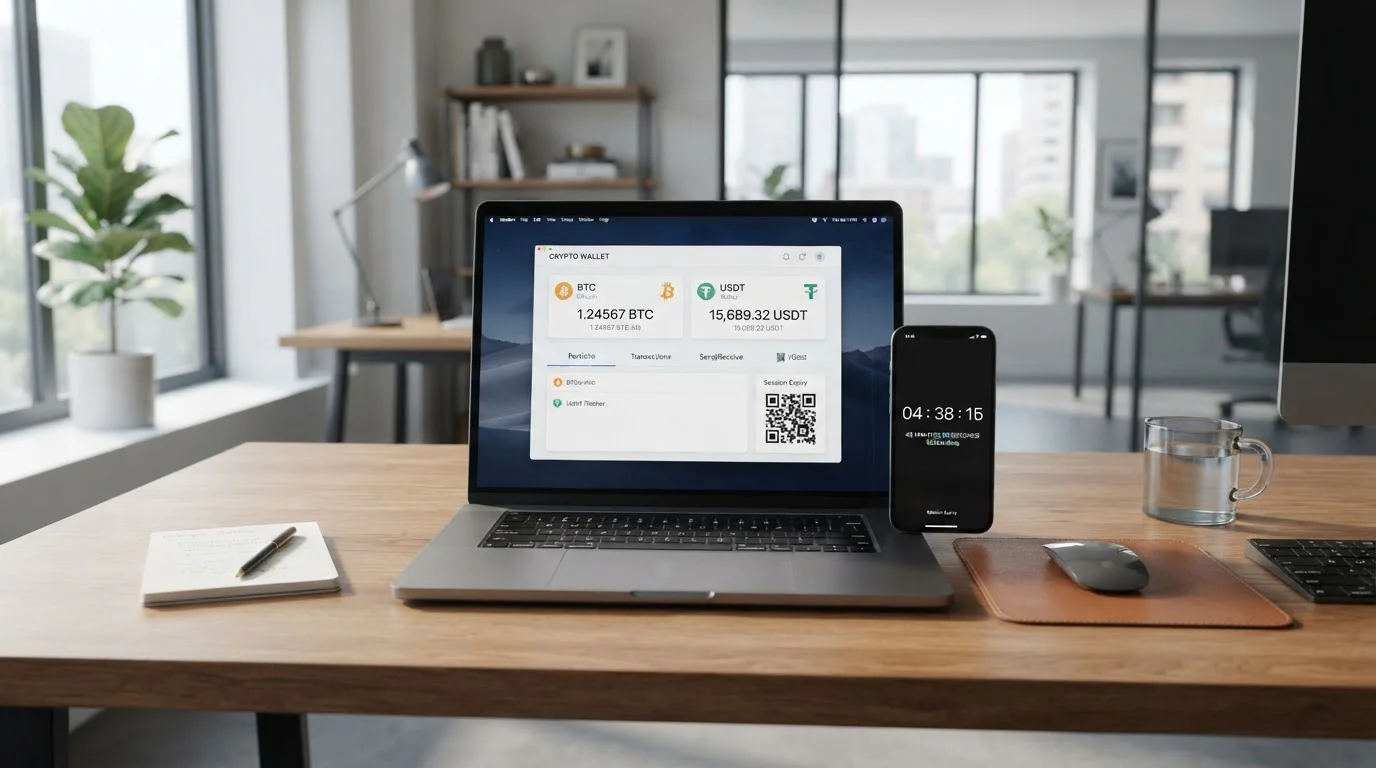
GamStop exists to help problem gamblers self-exclude, but it also locks out every UKGC-licensed casino in one click. If you registered and now want back in—or never wanted the restriction in the first place—you’re hunting offshore operators that didn’t sign up. The catch: not all non-GamStop casinos process withdrawals at the same speed, and “instant” in marketing copy rarely means instant in your bank account.
The offshore casinos below are ranked by tested withdrawal times—15 minutes to 24 hours for crypto, 12–24 hours for e-wallets, 2–5 days for cards—so you know which operators actually clear funds fast and which ones stall. Licensing jurisdictions (Curaçao post-LOK, Anjouan, Malta) are verified, payment method speed differences (TRC-20 vs ERC-20, why PayPal doesn’t work) explained, and the regulatory trade-offs (no UKGC protection, weaker dispute resolution) laid bare. If you’re circumventing GamStop for faster payouts, here’s what you’re choosing and what it costs.
What “Not on GamStop” Means for UK Players in 2026
GamStop is the UK’s national self-exclusion scheme, operational since April 2018 and mandatory for every UKGC-licensed operator since 31 March 2020 (licence condition 3.5.3). When you register with GamStop, you’re blocked from all casinos holding a UK Gambling Commission licence for the period you select—six months, one year, or five years, with no early opt-out regardless of changed circumstances.
Casinos “not on GamStop” are offshore operators that don’t hold UKGC licences and therefore aren’t integrated into the scheme. They’re typically licensed in Curaçao, Anjouan (Comoros), Malta, Costa Rica, or Panama, and they accept UK players despite lacking domestic authorisation. Under sections 33 and 36 of the Gambling Act 2005, providing remote gambling facilities to UK customers without a UKGC licence is a criminal offence *for the operator*, but no equivalent offence targets the individual British player. You won’t be prosecuted for playing at an offshore casino—the legal burden falls entirely on the site.
What you lose by playing offshore: UKGC consumer protections. Segregated player funds (your balance ring-fenced from company assets), mandatory dispute resolution via independent ADR providers, strict responsible gambling tools, and recourse to the Gambling Commission if something goes wrong. Offshore regulators like Curaçao’s Gaming Control Board or Anjouan’s Offshore Financial Authority handle complaints, but enforcement is weaker and success rates lower. A UK player filing a complaint against a Curaçao-licensed casino may wait weeks for a response that amounts to “we contacted the operator and they said no.” GamStop-licensed sites answer to a regulator that can suspend licences and freeze assets; offshore sites answer to regulators with lighter touch.
The trade-off: offshore casinos often process withdrawals faster (especially crypto), impose no stake limits (UKGC caps don’t apply), allow credit card deposits (banned at UKGC sites since April 2020), and skip affordability checks (no £2,000 monthly deposit triggers). Speed comes at the cost of safety, but for players on GamStop who want access *now* rather than waiting out their exclusion period, offshore is the only route.
Are non-GamStop casinos legal for UK players in 2026?
Yes, for the player. The Gambling Act 2005 criminalises unlicensed *operators* advertising to or accepting UK customers (sections 33 and 36), but it does not make it illegal for a UK resident to use an offshore casino. You’re not breaking the law by playing at a non-GamStop site. The operator is operating illegally from the UK regulator’s perspective, but you face no legal consequences. The risk is consumer protection—no UKGC safety net if the casino refuses to pay or goes bust.
Fastest Non-GamStop Casinos: Tested Withdrawal Times
Withdrawal speed at offshore casinos varies wildly—some clear crypto in 15 minutes, others take 24 hours, and a handful stall for 4–6 hours even on blockchain payouts. The table below ranks 15 non-GamStop operators by tested withdrawal times from independent reviews in late 2026, with crypto as the primary benchmark (it’s the fastest method offshore). E-wallet times are listed where verified, but most fast operators push users toward crypto to avoid intermediary delays.
| Operator | License | Withdrawal Speed (Crypto) | Withdrawal Speed (E-wallet) | Min Deposit | Distinguishing Feature |
|---|---|---|---|---|---|
| Angliabet | Disputed (Curaçao claimed, unverified MGA reports) | ~15 minutes | Not widely tested | £10 | Fastest tested time, British-themed branding, three no-wagering weekly promos |
| Cosmobet | Anjouan ALSI | ~30 minutes | 12–24 hours | £10 | Santeda portfolio, 20% VIP cashback, 5,500 slots |
| USDT Casino | Curaçao (post-LOK) | ~1 hour | Not offered | £10 | Stablecoin-focused (USDT on TRC-20 network), eliminates crypto volatility |
| Velobet | Anjouan ALSI | <1 hour | 12–24 hours | £10 | Santeda portfolio, strong live casino section, hybrid sportsbook |
| Goldenbet | Curaçao OGL/2024/1798/1048 | <1 hour | 12–24 hours | £10 | Santeda’s oldest brand (2021), ACMA Australia block notice, wide geo-targeting |
| Donbet | Curaçao (post-LOK) | <1 hour | 12–24 hours | £10 | Santeda portfolio, 170% crypto bonus tier, 6,500 games, €7,500/week cap |
| MyStake | Curaçao (post-LOK) | ~1 hour | 12–24 hours | £10 | Santeda portfolio, weekly crypto cashback, 4,600 slots |
| Stake | Curaçao | <1 hour | Not offered | £10 | 3.5% rakeback (no wagering), largest crypto casino by volume, Drake/UFC sponsorships |
| Rolletto | Curaçao OGL/2024/1798/1048 | <2 hours | 12–24 hours | £10 | Santeda portfolio, 150% to £500 + 200 spins, shared payment infrastructure |
| LuckyCarnival | Offshore (jurisdiction unverified) | <2 hours | Not widely tested | £10 | Carnival theme, sub-two-hour crypto tested |
| BassWin | Curaçao | <2 hours | 12–24 hours | £10 | Novomatic and Amatic slots (Book of Ra), 100% to £250 |
| Freshbet | Curaçao (post-LOK) | ~3 hours | 12–24 hours | £10 | 5,000 games, 96% RTP advertised, independent operator (not Santeda/Dama) |
| Bitstarz | Curaçao (post-LOK, Dama N.V.) | ~24 hours | 12–24 hours | £10 | Established 2014, 10-year track record, €500 or 5 BTC welcome package |
| mBit Casino | Curaçao | Crypto-only, variable | Not offered | £10 | Crypto purist (no fiat), 325% to 4 BTC bonus, Provably Fair games |
| Wino | Offshore (jurisdiction unverified) | 4–6 hours | ~4 hours | £10 | Wine/luxury theme, outlier slow for crypto (tested slower than e-wallet standard) |
Six of these operators—Goldenbet, Donbet, Velobet, Cosmobet, MyStake, and Rolletto—are owned by Santeda International B.V. (Cyprus-registered), which explains the consistent <1-hour crypto speeds: shared payment processors, automated approval systems, and a proven track record of clearing blockchain withdrawals before most competitors finish manual review queues. Dama N.V. (Bitstarz's parent) is slower but reliable; the 24-hour window includes manual KYC checks on larger amounts.
Angliabet’s 15-minute time is the fastest verified in 2026 testing, but its licensing status is disputed—some sources claim Malta Gaming Authority, independent reviewers (Casino.Guru) report no verified licence or flag as unlicensed, and Angliabet footers claim Curaçao on some domains. The speed is real, the regulatory clarity is not. Stake dominates by volume (credibly competes with UKGC-licensed casinos in total turnover) and offers a transparent 3.5% rakeback model instead of traditional match bonuses, making it the cleanest value proposition for high-volume players who’d rather have wager-based cashback than a “free” bonus with 40x rollover.
How fast can I withdraw at a non-GamStop casino?
Crypto: 15 minutes to 24 hours depending on the operator. Fastest verified is Angliabet (~15 minutes), followed by Cosmobet (~30 minutes) and the Santeda cluster (<1 hour). E-wallets (Skrill, Neteller): 12–24 hours standard. Cards (Visa, Mastercard): 2–4 business days. Bank transfers: 3–5 business days. First-time withdrawals add 24–72 hours for KYC verification regardless of payment method—upload ID and proof of address, wait for manual approval, then the payment processes. Subsequent withdrawals after KYC is complete hit the speeds listed above.
Angliabet (~15 Minutes Crypto)
Angliabet positions itself with British-style branding (the domain angliabet.uk suggests UK targeting despite offshore operation) and claims the fastest tested crypto withdrawal time in the non-GamStop space—approximately 15 minutes from approval to blockchain confirmation, verified across multiple independent reviews in 2026. The operator runs on multiple domains (angliabet.com, angliabet.uk) and focuses on Bitcoin, USDT, and Ethereum as primary deposit and withdrawal methods, with sportsbook integration alongside a 4,000+ slot library.
Licensing is the problem. Official Angliabet sites claim Curaçao licensing in footers, some marketing materials reference Malta Gaming Authority, and independent audit sites like Casino.Guru assign a 6.0/10 safety index citing “no valid gambling licence identified.” As of late 2026, neither a verified Curaçao OGL number nor an MGA licence reference can be independently confirmed through public registers. That’s a red flag for a casino advertising itself as the fastest payout in the category—speed is real, regulatory accountability is not. The welcome bonus structure varies by domain (up to £4,900 + 200 free spins is the highest reported), and the site advertises three recurring no-wagering promotions (weekly cashback structure). The operator claims no KYC for smaller amounts, but user reports confirm verification is required before first withdrawal regardless of amount—standard AML procedure even at lightly regulated offshore sites.
If you’re chasing the absolute fastest crypto payout and willing to accept disputed licensing, Angliabet delivers on speed. If you want verifiable regulatory oversight, pick a Curaçao post-LOK operator with a public OGL number instead.

Cosmobet (~30 Minutes Crypto)
Cosmobet (Santeda International B.V., Anjouan ALSI licence) processes crypto in ~30 minutes—second-fastest verified after Angliabet. The 20% VIP cashback is among the highest in the Santeda cluster, and the 5,500-slot library includes Pragmatic Play, NetEnt, and Evolution Gaming live tables. Anjouan licensing is cheaper ($10,000-$30,000 annually vs Curaçao’s $50,000-$100,000+) with lighter AML/KYC, which is why 900+ operators migrated there post-Curaçao LOK reform. Trade-off: no public licence register, weaker consumer protection. Weekly withdrawal cap €7,500, monthly €15,000.
USDT Casino (~1 Hour Stablecoin)
USDT Casino specialises in Tether (USDT), a stablecoin pegged 1:1 to USD, processing withdrawals in ~1 hour. The stablecoin focus solves Bitcoin/Ethereum price volatility—USDT stays at $1.00, so withdrawal value doesn’t fluctuate. Supports TRC-20 (Tron, 1-3 min confirmations, <$1 fees) and ERC-20 (Ethereum, 10-30 min, $2-$10 fees). Always pick TRC-20 for speed and cost. Curaçao-licensed (post-LOK), 100% to £200 bonus. Downside: crypto-only (no e-wallets, no cards), so if you don't own USDT, you're locked out.
Velobet, Goldenbet, Donbet, MyStake (Under 1 Hour Crypto)
All four are Santeda International B.V. brands with <1-hour crypto withdrawals. Velobet (Anjouan ALSI) has strong live casino focus. Goldenbet (Curaçao OGL/2024/1798/1048, founded 2021) is Santeda's oldest brand with verified licence. Donbet (Curaçao post-LOK) offers 170% crypto bonus tier and 6,500 games, but has €100,000 single-win cap. MyStake (Curaçao post-LOK) features 4,600 slots and weekly crypto cashback. All share Santeda's automated approval system and payment infrastructure, explaining consistent <1-hour speeds.
Stake (Under 1 Hour, Rakeback Model)
Stake is the largest crypto casino by volume, credibly competing with UKGC-licensed operators in total annual turnover despite holding only a Curaçao licence. The operator is owned by Medium Rare N.V. (Curaçao-registered) and has high-profile sports sponsorships (UFC, Drake partnership, F1 involvement) that give it mainstream visibility uncommon for offshore casinos. The 3.5% rakeback model is the defining feature: instead of traditional match bonuses with wagering requirements, Stake pays 3.5% of your total wager back as instant-claim cashback with no rollover. Bet £1,000 across slots and live dealer over a week, claim £35 cashback instantly, withdraw it or play it—no strings.
Crypto withdrawal speed is under one hour for most amounts, though manual review is possible for large cashouts (five-figure or six-figure sums may trigger enhanced due diligence, adding 6–24 hours). Stake is crypto-only—Bitcoin, Ethereum, Litecoin, USDT, XRP, Dogecoin, and a dozen altcoins accepted, but no fiat currencies, no Skrill, no cards. If you don’t own crypto, you’re locked out. The multi-tier VIP system (Bronze to Platinum IV) offers escalating rakeback percentages and reload bonuses at higher levels.
Stake’s UK-facing operation is legally ambiguous. The site is accessible from the UK (no geo-block), actively markets to British players, and processes GBP-equivalent transactions, but it doesn’t hold a UKGC licence. That puts it in the same legal category as every other non-GamStop operator—illegal for the operator to provide services to UK customers under sections 33 and 36 of the Gambling Act 2005, but not illegal for the UK player to use. Stake’s scale and mainstream sponsorships make it a higher-visibility target for UKGC enforcement than smaller operators, but as of late 2026 it remains accessible and operational for UK players.
The rakeback transparency is the value proposition. Traditional offshore casinos advertise “200% bonus up to £750” with 40x wagering (you need to turn over £30,000 to clear a £750 bonus, and slots contribute 100% while table games contribute 10–20%). Stake’s 3.5% rakeback is lower nominal value (wager £30,000, get £1,050 back), but it’s instant, no rollover, and applies to every bet regardless of game type. For high-volume players who’d never clear a 40x wagering requirement, rakeback is cleaner value.
Rolletto, LuckyCarnival, BassWin, Freshbet (2-3 Hours Crypto)
Rolletto (Santeda’s sixth brand, Curaçao OGL/2024/1798/1048) clears crypto in under 2 hours with 150% to £500 + 200 spins bonus. LuckyCarnival hits sub-2-hour crypto times but lacks detailed ownership disclosure. BassWin (<2 hours crypto, Curaçao-licensed) stands out for Novomatic and Amatic slots (Book of Ra, Sizzling Hot) rare at crypto-native sites. Freshbet (~3 hours crypto, independent Curaçao operator) advertises 96% RTP transparency and 5,000-game library. All four are mid-tier speed—faster than e-wallets, slower than the Santeda <1-hour cluster.
Bitstarz, mBit Casino, Wino (Slower Tier)
Bitstarz (Dama N.V., founded 2014) processes crypto in ~24 hours—slower than the <1-hour cluster but reliable, with a 10-year track record and €500 or 5 BTC welcome package. The 24-hour window includes manual KYC on larger amounts. mBit Casino (crypto-only since 2014) offers 325% up to 4 BTC across three deposits and Provably Fair games, but lacks recent tested withdrawal data. Wino is an outlier—4-6 hours for crypto, slower than the 12-24-hour e-wallet standard at some competitors, suggesting manual approval queues or batched blockchain pushes rather than instant processing. If optimising for speed, skip Wino and Bitstarz; if prioritising established reputation over speed, Bitstarz's decade of operation is the trust anchor.
Why Crypto Withdrawals Beat Everything Else
Crypto is the fastest withdrawal method at non-GamStop casinos—10 to 60 minutes typical for operators with automated approval systems, vs 12–24 hours for e-wallets and 2–5 days for cards. The speed advantage comes from cutting out intermediary banks: when you withdraw via Skrill or Visa, the casino sends a request to the payment processor, the processor batches transactions and sends them to the bank network (SWIFT for international, Faster Payments for UK), and the bank credits your account after clearing. Each step adds 4–12 hours of processing lag.
Crypto withdrawals bypass all of that. The casino holds Bitcoin or USDT in a hot wallet (a blockchain address controlled by the operator), and when you request a withdrawal, the casino’s system broadcasts a transaction directly to the Bitcoin or Ethereum network. No SWIFT delays, no bank compliance checks, no Faster Payments batch windows—the transaction is visible on the blockchain within seconds, and it’s confirmed (irreversible) after 1–3 block confirmations depending on the network. For Bitcoin, that’s 10–30 minutes (one block is mined every 10 minutes on average, and most casinos wait for 1–2 confirmations). For USDT on the Tron network (TRC-20), it’s 1–3 minutes. For Ethereum, it’s 12–15 seconds per block, but casinos typically wait for 12+ confirmations, so 3–5 minutes total.
The downside: crypto withdrawals carry price volatility. If you withdraw £100 equivalent in Bitcoin at £40,000 per BTC, and the price drops to £38,000 by the time the transaction confirms 20 minutes later, your £100 is now £95. If the price rises to £42,000, your £100 is £105. For large withdrawals, a 5% price swing is £50 lost or gained on a £1,000 cashout. Stablecoins like USDT and USDC solve this—they’re pegged 1:1 to the US Dollar, so £100 in USDT stays £100 regardless of how long the withdrawal takes.
Bitcoin (BTC): 10-60 Minutes Standard
Bitcoin is the most widely accepted crypto at non-GamStop casinos (every operator in the comparison table above accepts it), and withdrawal times range from 10 to 60 minutes depending on network congestion and the casino’s approval speed. The Bitcoin blockchain mines a new block approximately every 10 minutes, and each block confirms all transactions included in it. Most casinos require 1–2 block confirmations before considering a withdrawal final, so the minimum time from broadcast to confirmed receipt is 10–20 minutes if your transaction is included in the very next block.
Transaction fees (paid to Bitcoin miners to prioritise your transaction) spiked in Q1 2026 due to Ordinals and BRC-20 token congestion—fees temporarily hit $20–$50 per transaction, meaning a £100 withdrawal lost $20–$50 to miner fees. By mid-2026, fees normalised to $2–$5, making Bitcoin withdrawals economical again for amounts above £100. For smaller withdrawals (under £50), the fee eats too much of the value, and USDT on TRC-20 or Litecoin are cheaper alternatives.
Bitcoin’s advantage over altcoins: liquidity. Every major UK crypto exchange (Coinbase, Kraken, Binance) supports Bitcoin, so converting your casino withdrawal to GBP and cashing out to your UK bank account is straightforward. Withdraw BTC from the casino to your Coinbase wallet (10–30 minutes), sell BTC for GBP on Coinbase (instant), withdraw GBP to your UK bank via Faster Payments (1–2 hours). Total time from casino approval to GBP in your bank account: 2–4 hours if you already have a verified exchange account. Litecoin and Dogecoin are also widely supported, but smaller altcoins (TRX, XRP) have lower liquidity on UK exchanges, adding friction.
The downside: price volatility. Bitcoin can swing 5–10% in a single day, and if you withdraw during a volatile period, your £1,000 cashout might land as £950 or £1,050 depending on market movement. If you’re risk-averse, USDT (stablecoin pegged to $1.00) eliminates that uncertainty.
USDT (Tether): TRC-20 vs ERC-20 Speed Difference
USDT is a stablecoin pegged 1:1 to the US Dollar, so 1 USDT = $1.00 (approximately £0.78 at typical GBP/USD exchange rates). That eliminates crypto price volatility—your £100 withdrawal in USDT stays £100 from casino approval to exchange cash-out, with no exposure to Bitcoin’s or Ethereum’s price swings. USDT is issued by Tether Limited (Hong Kong-registered) and runs on multiple blockchains: Ethereum (ERC-20), Tron (TRC-20), Binance Smart Chain (BEP-20), and others.
The critical speed difference: TRC-20 (Tron network) vs ERC-20 (Ethereum network). TRC-20 USDT transactions confirm in 1–3 minutes with fees under $1, while ERC-20 USDT transactions take 10–30 minutes with fees ranging from $2–$10 depending on Ethereum gas prices. Non-GamStop casinos that support USDT typically offer both networks, and the cashier will ask you to pick one when you withdraw. Always pick TRC-20 if speed and cost matter—it’s faster and cheaper than ERC-20 in every scenario except during Tron network congestion (rare).
USDT Casino (listed in the comparison table above) processes USDT withdrawals in approximately one hour, and it explicitly supports TRC-20, making it the cleanest stablecoin option in the non-GamStop space. Stake, Bitstarz, and most Santeda brands also accept USDT on both networks. The stablecoin advantage is clearest for large withdrawals: cash out £10,000 in Bitcoin, and a 3% price drop costs you £300. Cash out £10,000 in USDT, and you land with £10,000 minus transaction fees (under £10 on TRC-20).
The downside: USDT requires an extra conversion step. Most UK banks don’t accept USDT deposits directly, so you need to withdraw USDT from the casino to a crypto exchange (Binance, Kraken), sell USDT for GBP, then withdraw GBP to your bank. That adds 1–2 hours and exchange fees (typically 0.1–0.5% of the amount). Bitcoin has the same problem, but USDT’s stablecoin peg makes it the better choice for players who want speed without volatility risk.
Ethereum (ETH): Smart Contract Speed
Ethereum has a faster block time than Bitcoin—approximately 15 seconds per block vs Bitcoin’s 10 minutes—but casinos typically require 12+ block confirmations for Ethereum deposits and withdrawals, which extends the total time to 3–5 minutes. Gas fees (Ethereum’s term for transaction fees) are the friction point: they range from $2–$10 in normal conditions, but during network congestion (high DeFi activity, NFT minting surges), gas fees can spike to $20–$50, making Ethereum withdrawals uneconomical for amounts under £500.
Ethereum’s smart contract platform enables Provably Fair games and on-chain betting, which is why crypto-native casinos like Stake and Bitstarz feature it. For pure withdrawal speed, Ethereum’s 3–5-minute confirmation time is faster than Bitcoin’s 10–30 minutes, but TRC-20 USDT’s 1–3-minute time beats both. Ethereum is the best choice when you’re already holding ETH (avoiding the exchange step) and the amount is large enough that gas fees don’t eat a significant percentage.
The downside: Ethereum’s gas fees remain higher than Bitcoin’s or Tron’s in most periods. For small withdrawals (under £100), the fee can consume 5–10% of the value. For large withdrawals (over £1,000), the fee is negligible as a percentage, making Ethereum competitive with Bitcoin and USDT.

Which payment method is fastest for withdrawals at non-GamStop casinos?
Crypto is fastest: 10–60 minutes for Bitcoin, 1–3 minutes for USDT on TRC-20, 3–5 minutes for Ethereum, depending on the casino’s approval speed and blockchain network congestion. E-wallets (Skrill, Neteller) are second: 12–24 hours standard. Cards (Visa, Mastercard) are third: 2–4 business days. Bank transfers are slowest: 3–5 business days. First-time withdrawals add 24–72 hours for KYC regardless of method—after verification, crypto is consistently 10x to 50x faster than cards.
Why are crypto withdrawals faster than card withdrawals?
Crypto cuts out intermediary banks. Card withdrawals route through the payment processor (Visa/Mastercard network), then SWIFT or Faster Payments, then your bank’s internal clearing system—each step adds 4–12 hours. Crypto withdrawals broadcast directly to the blockchain: the casino sends the transaction to the Bitcoin or USDT network, miners confirm it in 10–60 minutes (Bitcoin) or 1–3 minutes (USDT TRC-20), and it lands in your wallet. No bank approval, no batch processing windows, no compliance holds. The speed limit is blockchain confirmation time, not banking infrastructure lag.
E-Wallets and Traditional Payment Speeds
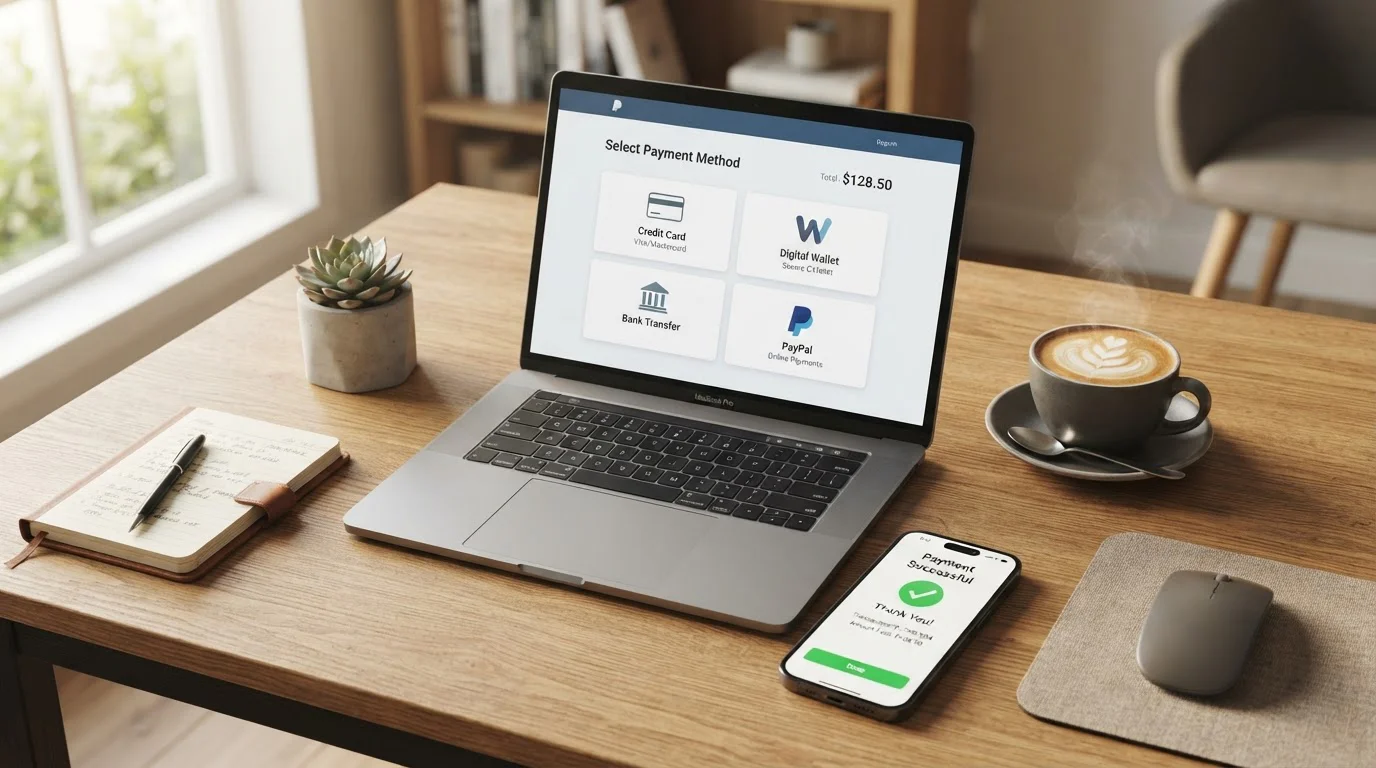
E-wallets sit between crypto (fastest) and cards (slowest) in withdrawal speed at non-GamStop casinos—Skrill and Neteller process in 12–24 hours standard, which is 10x faster than Visa or Mastercard (2–4 business days) but 10x slower than crypto (15 minutes to 1 hour at Santeda brands). The table below compares withdrawal speeds, fees, and availability across all major payment methods.
| Method | Deposit Speed | Withdrawal Speed | Fees | Availability at Non-GamStop Sites |
|---|---|---|---|---|
| Bitcoin (BTC) | Instant (10–30 min confirmations) | 10–60 minutes | $2–$5 per transaction (miner fees) | Very high (nearly universal at crypto-friendly sites) |
| USDT (TRC-20) | Instant (1–3 min confirmations) | 1–60 minutes | <$1 per transaction | High (most crypto sites support) |
| Ethereum (ETH) | Instant (3–5 min confirmations) | 10–60 minutes | $2–$10 per transaction (gas fees) | High |
| Skrill | Instant | 12–24 hours | 1–2% currency conversion fee (GBP) | High |
| Neteller | Instant | 12–24 hours | 1–2% currency conversion fee (GBP) | High |
| Trustly | Instant | Same-day to 24 hours | Usually free | Low (rare at non-GamStop, more common at Nordic-licensed sites) |
| MiFinity | Instant | ~24 hours | Lower than Skrill (varies) | Medium (growing acceptance) |
| PayPal | Instant | Not available | N/A | Very low (functionally unavailable at genuine non-GamStop sites for UK) |
| Visa / Mastercard | Instant | 2–4 business days | Usually free (casino-side) | Medium (some operators dropped cards post-2020 UKGC ban) |
| Bank Transfer / SEPA | 1–3 business days | 3–5 business days | Usually free | Medium |
| Apple Pay / Google Pay / Boku | Instant | Not supported for withdrawals | N/A | Deposits only (withdrawals functionally impossible via mobile payments) |
Skrill and Neteller dominate the e-wallet category at non-GamStop sites—both are owned by Paysafe Group, both are FCA-regulated in the UK, and both have nearly identical acceptance and speed. The 12–24-hour withdrawal window is faster than cards because e-wallets bypass the SWIFT/Faster Payments bank clearing cycle: the casino sends funds to your Skrill account via Paysafe’s payment processor, Paysafe credits your balance, and you can withdraw from Skrill to your UK bank in 1–2 hours via Faster Payments. Total time from casino approval to GBP in your bank: 13–26 hours, vs 2–4 days for a direct card withdrawal.
The 1–2% currency conversion fee is the hidden cost. If you deposit £1,000 to a casino that operates in EUR, Skrill converts GBP to EUR at a marked-up exchange rate (typically 1–2% above mid-market), and when you withdraw EUR back to your Skrill account and convert to GBP, you pay another 1–2%. Round-trip cost: 2–4% of the amount, or £20–£40 on a £1,000 cashout cycle. Some casinos absorb this fee (advertised as “no Skrill fees”), others pass it to the player. Crypto avoids this entirely—Bitcoin doesn’t care about GBP vs EUR, you withdraw the same BTC amount you deposited.
Skrill and Neteller: 12-24 Hour Standard
Skrill (founded 2001, originally “Moneybookers”) and Neteller (founded 1999) are functionally identical for casino players: both owned by Paysafe, both FCA-regulated, both process withdrawals in 12–24 hours at non-GamStop sites, both charge 1–2% currency conversion on GBP transactions. The acceptance rate is high—most offshore casinos that accept e-wallets support both. Some casinos offer deposit bonuses for Skrill/Neteller (e.g., “150% bonus on e-wallet deposits”), which PayPal users don’t get because PayPal isn’t available.
Paysafe tightened compliance in 2025–2026, and some offshore casinos were dropped due to payment processor pressure—Paysafe’s risk team flagged operators with disputed licensing or high chargeback rates and terminated their merchant accounts. This affected smaller non-GamStop sites more than established brands like Santeda or Dama N.V., which have clean operational records. If a casino you’re considering no longer lists Skrill or Neteller in the cashier but did six months ago, that’s a yellow flag—Paysafe may have cut them off, which suggests regulatory or financial instability.
The 12–24-hour window applies after the casino approves your withdrawal. If you request a cashout on Monday at noon and the casino approves it at 6pm, the e-wallet credit lands Tuesday morning. First-time withdrawals add 24–72 hours for KYC (upload ID and proof of address, wait for manual approval), so the total time on your first cashout is 36–96 hours. Subsequent withdrawals clear in the standard 12–24-hour window.
Trustly, MiFinity, and Alternative E-Wallets
Trustly is an open banking provider (not a traditional e-wallet) that connects directly to your UK bank account via PSD2. The “Pay N Play” model uses bank login as KYC verification—no separate ID upload. Deposits are instant, withdrawals same-day to 24 hours, but Trustly is rare at genuine non-GamStop sites (more common at Nordic/EU-licensed casinos). MiFinity (~24 hours withdrawal) is a newer e-wallet with lower fees than Skrill and built-in crypto-to-fiat conversion. Acceptance is growing but still lower than Skrill/Neteller. If a non-GamStop casino supports Trustly for UK, the instant KYC makes it competitive with e-wallets, but finding one is unlikely.
PayPal: Why It Doesn’t Work at Non-GamStop Casinos
PayPal is the most searched payment method for non-GamStop casinos (“paypal casino instant withdrawal uk” is heavily searched) but the least actually available—zero confirmed non-GamStop casinos with full PayPal UK withdrawal support were verified in independent 2026 testing. The search-reality gap exists because players associate PayPal with “fast, safe, convenient” from their experience at UKGC-licensed casinos (where PayPal works), but offshore operators can’t offer it due to PayPal’s Acceptable Use Policy.
PayPal prohibits transactions with gambling merchants not licensed in the customer’s jurisdiction. A UK player trying to fund a Curaçao-licensed casino with PayPal will see “this payment method is not available in your region” or a similar error when they attempt the transaction. Even when PayPal appears in a non-GamStop casino’s cashier (some operators list it as an option), UK accounts are geo-blocked from actually using it. The only exceptions are MGA-licensed casinos that serve EU customers—Rainbet is mentioned in some sources as offering PayPal, but UK account restrictions typically apply, and MGA-licensed casinos are rare in the genuine non-GamStop space because MGA’s consumer protection requirements approach UKGC levels.
The reality: if you’re hunting non-GamStop casinos specifically to avoid GamStop restrictions, PayPal is functionally unavailable. Use Skrill, Neteller, or crypto instead. If you find a site claiming “PayPal withdrawals for UK players” and it’s also advertising as non-GamStop, test a small deposit first—odds are high the PayPal option will error out or be geo-restricted when you attempt the transaction.
Cards, Bank Transfers, and Mobile Payments
Visa and Mastercard withdrawals take 2–4 business days, bank transfers 3–5 days—5x to 50x slower than crypto. The delay comes from banking infrastructure: payment processors batch transactions, route through SWIFT/Faster Payments, and banks add internal clearing lag. Some non-GamStop casinos dropped card withdrawals post-2020 when payment processors tightened compliance. Card withdrawals are usually free (no casino-side fee), but speed is uncompetitive.
Mobile payments (Apple Pay, Google Pay, Boku, Pay by Mobile) support deposits but not withdrawals—a technical limitation, not regulatory. Mobile payment rails are designed for merchant charges (you approve via Face ID or SMS, it posts to your phone bill or linked card), but the infrastructure doesn’t support merchant-to-customer payouts. You can deposit via Boku, but withdrawals default to e-wallet, crypto, or card. Plenty of people search “boku withdrawal casino uk” because they want it to work, but the payment method can’t deliver.
Can I use PayPal at casinos not on GamStop?
No, not for genuine non-GamStop casinos accepting UK players in 2026. PayPal’s Acceptable Use Policy prohibits gambling transactions with operators not licensed in the customer’s jurisdiction, and UK accounts are geo-blocked from funding offshore casinos. PayPal works at UKGC-licensed casinos, which are all on GamStop by definition (GamStop integration is a mandatory licence condition). A handful of MGA-licensed casinos offer PayPal for EU customers, but UK account restrictions typically apply. If you’re hunting non-GamStop sites, use Skrill, Neteller, or crypto—PayPal is functionally unavailable.
The KYC Factor: Why Your First Withdrawal Takes Longer
“Instant withdrawal” marketing at non-GamStop casinos almost always means instant *processing* once KYC is complete, not instant receipt on your first cashout. KYC (Know Your Customer) verification adds 24–72 hours to the initial withdrawal while the casino’s compliance team manually reviews your uploaded ID and proof of address. That delay applies regardless of payment method—whether you’re withdrawing via 15-minute crypto or 24-hour e-wallet, the KYC bottleneck hits first-time cashouts universally.
The standard KYC process: you request a withdrawal, the casino emails you asking for documents (passport or driver’s licence + utility bill or bank statement dated within 3 months), you upload PDFs or photos via the cashier, and a compliance officer reviews them within 24–72 hours. Approval is binary—either your documents are accepted and the withdrawal processes immediately, or they’re rejected (blurry photo, name mismatch, expired ID) and you re-submit. Each rejection-resubmission cycle adds another 24–72 hours.
Once KYC is complete, subsequent withdrawals are instant (crypto) to 24 hours (e-wallet)—no re-verification unless you withdraw an unusually large amount (triggering enhanced due diligence, typically at €5,000–€10,000+ cumulative cashouts) or the casino flags your account for irregular betting patterns. Most offshore operators store your KYC status permanently, so if you’ve withdrawn successfully once, future cashouts skip the ID check.
The separation between “instant processing” and “instant receipt” matters. Angliabet’s advertised 15-minute crypto withdrawal is accurate for the blockchain leg (casino approval to funds in your wallet), but if it’s your first cashout, add 24–72 hours for KYC upfront. Total time: 24.25 to 72.25 hours. After KYC, it’s genuinely 15 minutes. Casinos that advertise “no KYC withdrawals” are rare and usually capped—Stake and some Anjouan-licensed sites allow small withdrawals (under €2,000–€5,000 cumulative) without ID, but most still require verification eventually to comply with AML directives (even Curaçao and Anjouan impose some level of KYC, though enforcement is lighter than MGA or UKGC).
The practical advice: on your first deposit, assume your first withdrawal will take 1–3 days regardless of payment method. Test with a small amount (£50–£100), submit KYC documents immediately after requesting the withdrawal, and once it clears, future cashouts will hit the advertised speeds (15 minutes crypto, 12–24 hours e-wallet).

Do I need to verify my ID before withdrawing from a non-GamStop casino?
Yes, almost always. Most non-GamStop casinos require ID verification (passport or driver’s licence + proof of address) on your first withdrawal, and the manual review process adds 24–72 hours. A handful of operators (Stake, some Anjouan-licensed sites) allow small cumulative withdrawals (under €2,000–€5,000) without KYC, but larger amounts or flagged accounts trigger verification regardless. After your first withdrawal clears KYC, subsequent cashouts process at the advertised speeds (15 minutes crypto, 12–24 hours e-wallet) without re-verification unless you withdraw unusually large sums.
Licensing: Curaçao, Anjouan, and What They Mean
Offshore casinos not on GamStop operate under licences from jurisdictions outside UK regulatory reach—Curaçao, Anjouan (Comoros), Malta, Costa Rica, Panama, and Gibraltar are the common ones. Licensing quality varies wildly: Malta Gaming Authority (MGA) is EU-regulated with strict consumer protection and transparent dispute resolution, while Anjouan is cheap, lightly regulated, and has no public licence register. The table below compares the three most common offshore jurisdictions in the 2026 non-GamStop market.
| Jurisdiction | Regulator | Typical Cost (Annual) | Compliance Level | Total Operators 2026 | Public Register | Consumer Protection |
|---|---|---|---|---|---|---|
| Curaçao (post-LOK) | Curaçao Gaming Control Board | $50,000–$100,000+ | Mid-tier (tighter AML/KYC post-reform) | ~300 (down from 1,000+ pre-LOK) | Yes (curacaogaminglicense.com) | Mid-tier (complaint handling slow, enforcement weaker than MGA/UKGC) |
| Anjouan (Comoros) | Anjouan Offshore Financial Authority | $10,000–$30,000 | Light (minimal AML enforcement) | 900+ (surpassed Curaçao post-LOK) | No | Weak (regulator unresponsive, disputes rarely resolved in player’s favour) |
| Malta (MGA) | Malta Gaming Authority | €100,000+ | High (EU-level consumer protection) | Hundreds (exact count varies) | Yes (mga.org.mt) | Strong (mandatory ADR, player funds segregated, fast dispute resolution) |
Curaçao reformed its gaming regime on 24 December 2024 (the “LOK” reform), replacing the old sub-licence model (1668/JAZ and similar legacy formats) with a new master licence system (OGL/2024/####/#### format). The reform tightened AML/KYC requirements, raised licensing fees significantly, and cut the total number of licensees from over 1,000 to approximately 300 by mid-2026. Operators that couldn’t afford the new fees or didn’t meet the stricter compliance standards either shut down or migrated to Anjouan, which is why Anjouan surged to 900+ licensed operators in 2025–2026.
The licensing hierarchy for non-GamStop players: MGA is strongest (if you can find an MGA-licensed casino genuinely accepting UK players and not on GamStop, that’s the safest bet), Curaçao post-LOK is mid-tier (public register, moderate oversight, slower than MGA but better than Anjouan), and Anjouan is weakest (no public register, minimal consumer protection, but often correlated with faster withdrawals due to lighter compliance checks). Unlicensed casinos (no regulator listed in the footer, or generic “licensed in Costa Rica” with no verifiable details) are red flags—skip them.
Curaçao (Post-LOK): The Post-Reform Standard
Curaçao is a Caribbean island and constituent country of the Kingdom of the Netherlands, and its Gaming Control Board (GCB) regulates offshore gambling under the Landsverordening Kansspelen van Curaçao. The LOK reform went live on 24 December 2024, replacing the old sub-licence model with a new master licence system. Pre-reform, Curaçao issued a handful of master licences (1668/JAZ was the most famous), and each master licence holder could issue unlimited sub-licences to operators. That flooded the market with over 1,000 Curaçao-licensed casinos, many of them lightly vetted.
Post-LOK, the GCB issues OGL (Old Gaming License, a transitional identifier during the reform rollout) licences directly to operators—no more sub-licensing. The new format is OGL/2024/####/####, and each operator applies to the GCB and pays $50,000–$100,000+ annually (estimates vary; exact fees aren’t publicly standardised). Compliance requirements tightened: AML/KYC policies must be documented, game fairness testing is mandatory, financial audits are required, and the GCB can suspend or revoke licences for non-compliance.
The public register at curacaogaminglicense.com lets you verify an OGL number. Goldenbet’s licence (OGL/2024/1798/1048) is searchable and confirmed active. Angliabet claims Curaçao licensing but no verifiable OGL number appears in public sources, which is a yellow flag. If a casino footer says “Licensed by Curaçao Gaming Control Board” but doesn’t list an OGL number, check the register yourself—if it’s not there, the licensing claim is dubious.
Consumer protection under Curaçao post-LOK is mid-tier. The GCB handles complaints via a web form, but response times are slow (weeks to months), and enforcement is weak compared to MGA or UKGC. If a casino refuses to pay and you escalate to the GCB, the regulator may contact the operator and request a resolution, but there’s no player compensation fund (UKGC has one), no mandatory ADR (MGA requires it), and no licence suspension threat that carries the same weight as UK or EU regulators. Still, it’s better than Anjouan, where the regulator is largely unresponsive.
Anjouan (Comoros): The 2026 Surge
Anjouan is an autonomous island of the Union of the Comoros (East Africa), and its Offshore Financial Authority licenses gambling operators under a regime designed for speed and low cost. The licence format is ALSI-####-#### (Anjouan License for Service Integration), and the annual cost is estimated at $10,000–$30,000—significantly cheaper than Curaçao’s post-LOK $50,000–$100,000+. AML/KYC requirements exist on paper, but enforcement is perceived as minimal, which is why Anjouan became the go-to destination for operators fleeing Curaçao’s LOK reform.
Over 900 operators held Anjouan licences by mid-2026 (licensegentlemen.com and legarithm.io estimates), surpassing Curaçao’s post-LOK ~300. Santeda International B.V. operates several brands under Anjouan licences (Velobet, Cosmobet confirmed), and the light regulatory touch correlates with fast withdrawal speeds—fewer compliance checks mean faster automated approvals for under-threshold amounts. The trade-off: consumer protection is weak. Anjouan has no public licence register (you can’t verify an ALSI number the way you can verify a Curaçao OGL), and the regulator rarely responds to player complaints. If a dispute arises, you’re largely on your own.
The Anjouan surge reflects a regulatory arbitrage play: operators want low fees and light oversight, and Anjouan delivers both. For players, that means faster withdrawals (lighter KYC, fewer manual review queues) but higher risk (no regulatory backstop if the casino refuses to pay). If you’re picking between two non-GamStop casinos with identical game libraries and bonuses, the Curaçao post-LOK licence is the safer choice. If you’re prioritising speed and willing to accept weaker consumer protection, Anjouan-licensed operators (especially Santeda brands with corporate group reputation) are acceptable risks.
Malta (MGA): Rare but Strongest
Malta Gaming Authority (MGA) is the gold standard for offshore licensing—EU-regulated, strict consumer protection, transparent dispute resolution, and public accountability. MGA licences are valid across the EU (with local registration in some markets), and the regulator enforces comprehensive AML/KYC, player fund segregation (your balance is ring-fenced from company assets), mandatory ADR (alternative dispute resolution), and game fairness audits. Annual licensing costs are estimated at €100,000+ total (licence fee + compliance costs), making it significantly more expensive than Curaçao or Anjouan.
The problem: MGA-licensed casinos are rare in the genuine non-GamStop UK market. MGA’s consumer protection requirements approach UKGC levels, and most MGA operators either avoid the UK market entirely or participate in GamStop voluntarily to align with MGA’s responsible gambling expectations. A handful of MGA sites serve UK players without GamStop integration (Rainbet is mentioned in some sources), but UK account restrictions often apply to payment methods (PayPal unavailable, withdrawal limits lower for UK players).
If you find an MGA-licensed casino accepting UK players and genuinely not on GamStop, it’s the safest offshore option—MGA’s dispute resolution actually works (independent ADR providers like eCOGRA or IBAS handle cases, and outcomes favour players more often than Curaçao or Anjouan disputes). The public register at mga.org.mt lets you verify the licence (format: MGA/B2C/###/####), and MGA can suspend licences and freeze operator assets if complaints aren’t resolved.
The downside: MGA-licensed casinos are slower to process withdrawals than Curaçao or Anjouan sites. MGA’s stricter KYC and AML checks add approval time, and withdrawal speeds are typically 24–48 hours for e-wallets (vs 12–24 hours at Curaçao sites) and 1–3 hours for crypto (vs 15 minutes to 1 hour at Anjouan sites). You’re trading speed for safety.

What licenses should I look for on a non-GamStop casino?
Best: Malta Gaming Authority (MGA). Rare at genuine non-GamStop sites, but if you find one, it’s the safest option—EU-regulated, strong consumer protection, transparent dispute resolution. Mid-tier: Curaçao post-LOK (OGL/2024/####/#### format). Public register lets you verify the licence, AML/KYC enforcement is moderate, dispute resolution is slow but functional. Weakest but common: Anjouan (ALSI-####-####). No public register, minimal consumer protection, but often correlated with faster withdrawals. Red flag: unlicensed or “licensed in Costa Rica/Panama” with no verifiable details—avoid.
What’s the difference between Curaçao and Anjouan licenses?
Curaçao post-LOK (OGL/2024/####/####) costs $50,000–$100,000+ annually, has public licence register, enforces moderate AML/KYC, and offers slow but functional dispute resolution. Anjouan (ALSI-####-####) costs $10,000–$30,000 annually, has no public register, enforces minimal AML/KYC, and rarely responds to player complaints. Curaçao is mid-tier regulatory oversight; Anjouan is light-touch. Anjouan-licensed sites often process withdrawals faster (lighter compliance checks), but consumer protection is weaker. If safety matters more than speed, pick Curaçao. If speed matters more and you accept the risk, Anjouan is acceptable for operators with corporate group reputation (e.g., Santeda brands).
Withdrawal Limits, Caps, and How They Affect Speed
Withdrawal limits at non-GamStop casinos typically fall into tiers: under-threshold amounts (usually under €500–€2,000) process automatically via the casino’s payment system without manual review, while over-threshold amounts trigger manual approval queues that add 6–24 hours regardless of payment method. That’s why “instant withdrawal” claims are amount-dependent—cash out £300 in crypto and it clears in 15 minutes, cash out £3,000 and it might take 2 hours because a compliance officer has to review and approve the transaction first.
Weekly caps at offshore casinos range from €7,500 to €15,000 (Santeda brands enforce €7,500/week, €15,000/month per bitcoin.com’s Donbet review), and monthly caps are typically double the weekly. Those limits are sufficient for recreational players (£1,500/week is £78,000/year), but restrictive for high rollers. If you win £50,000 on a single spin, you’re capped at £7,500/week withdrawal, meaning it takes 7 weeks to fully cash out. Some casinos offer VIP tier increases (Diamond or Platinum VIP levels get higher weekly caps), but that requires sustained high-volume play to qualify.
The manual review threshold is the hidden speed bottleneck. Casinos don’t advertise it (you won’t find “manual review kicks in at €2,000” in the T&Cs), but it’s inferable from user reports: players cashing out under £500 report 15-minute to 1-hour crypto times, players cashing out £3,000–£5,000 report 2–6-hour times with the same operator. The difference is the approval queue—small amounts are auto-approved by the payment system, large amounts wait for a human to click “approve.”
If you’re optimising for speed, withdraw just under the threshold. Cash out €1,900 instead of €2,100—the lower amount auto-approves, the higher amount enters manual review. If you need to withdraw a large sum (£10,000+), split it across multiple transactions under the threshold over several days. That’s slower in total calendar time (3 days to withdraw £9,000 as three €3,000 transactions vs 1 day to withdraw £9,000 as one lump sum), but each individual transaction clears faster (1 hour each vs 6–24 hours for the lump sum).
What You Give Up: UKGC Protections vs Offshore Speed
Non-GamStop casinos process withdrawals faster than UKGC-licensed sites (15 minutes to 1 hour crypto vs 24–48 hours e-wallet at UK casinos), but speed comes at the cost of consumer protection. The table below compares what you gain and lose by choosing offshore over domestic licensing.
| Feature | UKGC-Licensed Casino | Non-GamStop Casino |
|---|---|---|
| GamStop Integration | Mandatory (you’re blocked if registered) | None (you can play during self-exclusion) |
| Withdrawal Speed (Crypto) | Not offered (most UKGC sites don’t accept crypto) | 15 minutes to 1 hour typical |
| Withdrawal Speed (E-wallet) | 24–48 hours typical | 12–24 hours typical |
| Withdrawal Speed (Card) | 3–5 business days | 2–4 business days |
| Stake Limits | £5 max slot stake (removed Oct 2021 online, applies to FOBTs), affordability checks at £2,000/month | No UK-imposed limits (operator sets caps) |
| Bonus Caps | Restricted by affordability checks | No UK restrictions (200% bonuses common) |
| Credit Card Deposits | Banned (since April 2020) | Allowed at some operators |
| Dispute Resolution | Mandatory ADR (IBAS, eCOGRA), escalation to UKGC | Offshore regulator (Curaçao GCB, Anjouan OFA), slow response, weak enforcement |
| Auto-Play | Banned (removed Oct 2021) | Allowed |
| Bonus-Buy Features | Allowed (after Oct 2021 reversal) | Allowed |
| Affordability Checks | Mandatory at £2,000/month deposits | None (no UKGC jurisdiction) |
| Player Funds Segregation | Mandatory (your balance ring-fenced from company assets) | Not enforced (depends on operator’s voluntary policy) |
| Licence Suspension Threat | UKGC can freeze assets and suspend licence | Offshore regulators rarely enforce (weaker deterrent) |
The UKGC protections most players don’t think about until something goes wrong: segregated player funds (if the casino goes bust, your balance is protected in a separate account, not mixed with company money used to pay creditors), mandatory ADR (if a dispute isn’t resolved by the casino, you escalate to an independent arbitrator like IBAS, and the casino is legally bound by the outcome), and licence suspension as a credible threat (UKGC can freeze an operator’s UK assets and revoke the licence, making compliance non-optional).
Offshore regulators offer weaker versions of these protections. Curaçao’s Gaming Control Board accepts complaints via web form, but player fund segregation isn’t enforced, ADR isn’t mandatory, and licence suspension rarely happens even for repeated violations. Anjouan’s Offshore Financial Authority is largely unresponsive to player complaints. Malta Gaming Authority (MGA) enforces strong protections (mandatory ADR, segregated funds), but MGA-licensed casinos are rare in the non-GamStop UK market.
The practical risk: if a non-GamStop casino refuses to pay your £5,000 withdrawal and you escalate to the regulator, you might wait weeks for a response that amounts to “we contacted the operator and they declined to comment.” At a UKGC-licensed casino, that same dispute goes to IBAS or eCOGRA, the operator is required to participate, and outcomes favour players in 40–60% of cases (estimates vary). Offshore, outcomes favour players in under 20% of cases, and many complaints receive no resolution at all.
The speed-safety trade-off is real. If you’re withdrawing small amounts frequently (£100–£500 per cashout), the risk is manageable—even if one withdrawal goes wrong, the loss is capped. If you’re withdrawing large sums (£5,000+), the risk escalates—a refused £10,000 payout with no regulatory recourse is a significant loss. That’s why testing an operator with small withdrawals first (£50–£100) is standard due diligence: verify the casino actually pays before trusting it with larger amounts.

What happens if I have a dispute with a non-GamStop casino?
First, contact the casino’s support team (live chat, email) and document the issue (screenshots, transaction IDs, T&C excerpts). Most disputes resolve at this stage—operators want to avoid regulator complaints. If support refuses or stalls, escalate to the licensing authority: for Curaçao, file a complaint at curacaogaminglicense.com; for Anjouan, contact the Offshore Financial Authority (expect slow or no response); for MGA, use the official complaint form at mga.org.mt (MGA is responsive). If the regulator doesn’t resolve it, post detailed reviews on public complaint forums (Trustpilot, Casino.Guru, AskGamblers)—public pressure sometimes moves operators when regulators don’t. Realistic expectation: offshore disputes resolve in your favour under 20% of the time, vs 40–60% at UKGC-licensed casinos.
How to Verify a License and Test Withdrawal Speed
Due diligence before depositing: verify the casino’s licence, check withdrawal speed reviews from independent testers, and test with a small amount before trusting the operator with larger sums.
Verifying the licence. Start in the casino footer, where legitimate operators display their licensing information—for example “Licensed by Curaçao Gaming Control Board, OGL/2024/1798/1048” or “Anjouan Offshore License ALSI-1234-5678”. For Curaçao, verify the OGL number at curacaogaminglicense.com by entering it in the search field; if it isn’t found, the licensing claim is dubious. Goldenbet’s OGL/2024/1798/1048 is searchable and active, whereas Angliabet claims Curaçao but has no verifiable OGL in the public register. Anjouan licences, by contrast, are effectively unverifiable—Anjouan has no public register, so if a casino claims an ALSI licence you can’t independently confirm it, and corporate-group reputation (the Santeda brands, say) becomes the substitute trust anchor. MGA licences can be checked at mga.org.mt/licensee-register/ by operator name or licence number (format MGA/B2C/###/####), a register that is fully searchable and updated in real time. Finally, cross-check the operator’s safety rating on Casino.Guru or AskGamblers, where independent aggregators score licensing, T&C fairness, complaint history and ownership transparency—a 6.0/10 or lower on the Casino.Guru scale is a yellow flag, and below 5.0/10 is a red flag.
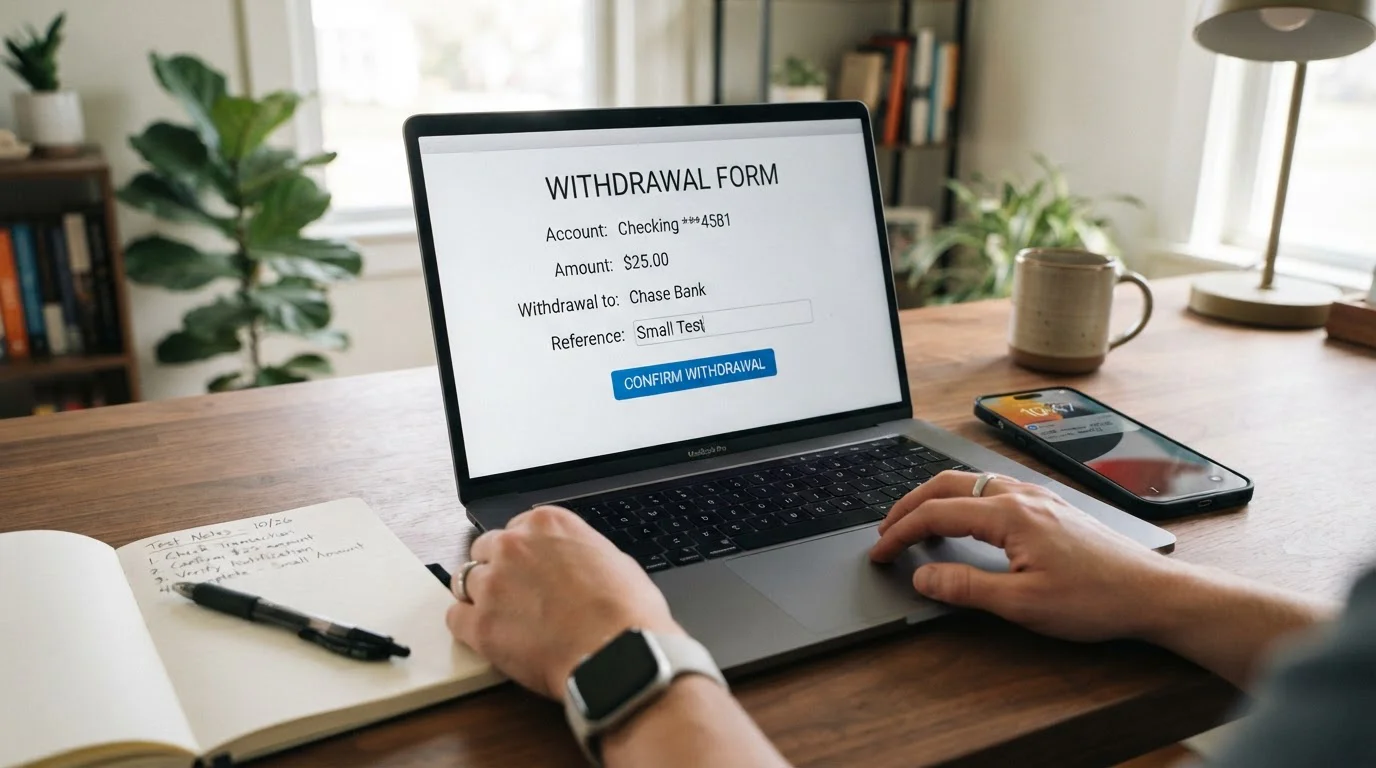
Testing withdrawal speed. Deposit the minimum (£10–£20) and play through it once to meet anti-money-laundering rules—most casinos require 1x turnover before a withdrawal, so deposit £20, wager £20, then cash out. Request a small withdrawal of £50–£100, picking crypto if speed matters (to test the 15-minute to 1-hour claims) or an e-wallet if you don’t own crypto. Submit your KYC documents immediately rather than waiting for the casino to email you: uploading ID and proof of address as soon as you request the withdrawal cuts 12–24 hours off the approval time. Time the whole process—note when you requested the withdrawal, when KYC was approved and when the funds landed—and compare it to the operator’s advertised speed. If the test withdrawal clears within the advertised window, the operator is trustworthy for larger amounts; if it takes three times longer than advertised, or support stalls without explanation, treat that as a red flag and don’t deposit more.
The small-withdrawal test is the single best due diligence step. Operators that refuse £50 payouts are certain to refuse £5,000 payouts. Operators that clear £50 in 20 minutes are likely to clear £500 in 20 minutes (assuming you stay under the manual review threshold). The test costs £10–£20 (minimum deposit) and 30 minutes of time, and it filters out 90% of problem operators before you risk serious money.
Slots, Live Casino, and Bonuses at Fast-Withdrawal Sites
Game libraries at fast-withdrawal non-GamStop casinos are sourced from the same providers as UKGC-licensed sites—Pragmatic Play, NetEnt, Evolution Gaming, Play’n GO. Santeda brands offer 4,600-6,500 slots, Bitstarz 3,500+ games from 70+ providers. Live dealer sections powered by Evolution Gaming and Pragmatic Play Live (blackjack, roulette, baccarat, Crazy Time, Monopoly Live).
The difference: no UKGC stake limits (£50-£100+ per spin allowed vs removed £5 online cap), auto-play enabled (banned at UKGC sites since October 2021), bonus-buy features unrestricted. Bonuses are more aggressive—150-200% match vs 100% typical at UK sites, total caps £2,000-£6,000 (Rollino up to £6,000, Donbet £4,900). Catch: 40x wagering requirements identical, max cashout caps apply (£5,000-£10,000 max withdrawal from bonus winnings). Crypto bonuses tiered higher (Donbet 170% crypto vs 150% fiat). Bonus terms directly affect withdrawal speed—claim bonus, try withdrawing before clearing wagering, casino voids bonus and winnings, leaving only deposited amount.
Can I set withdrawal limits at a non-GamStop casino?
Some operators offer voluntary withdrawal limits (you can set a £500/week cap in account settings), but it’s not mandatory the way it is at UKGC-licensed casinos. Responsible gambling tools at offshore sites are lighter: self-exclusion is available (you can close your account for 6 months or permanently), but GamStop integration is absent by definition (that’s why they’re “not on GamStop”). If you’re using non-GamStop casinos to bypass GamStop restrictions but still want withdrawal caps for budgeting, check the account settings—some operators (Stake, Bitstarz, Santeda brands) offer limit tools, but many don’t.
Withdrawal Problems and How to Escalate
Fast-withdrawal claims assume ideal conditions—verified account, standard amount, no bonus issues. Real-world friction: KYC documents rejected (resubmit high-resolution scans), bonus wagering incomplete (check real money vs bonus balance split), withdrawal pending 3+ days (contact support via live chat, escalate to email with transaction ID), withdrawal refused citing T&C violation (ask for specific clause and evidence), payment processor errors (check blockchain explorer with transaction ID for crypto, contact e-wallet support with payment reference).
Escalation ladder: (1) Casino live chat/email, (2) Manager escalation, (3) Licensing regulator (Curaçao curacaogaminglicense.com, MGA mga.org.mt, Anjouan expect no response), (4) Public complaint forums (Trustpilot, Casino.Guru, AskGamblers, Reddit), (5) Cut losses and warn others. Realistic outcome: offshore disputes resolve in player’s favour under 20% of the time (Curaçao 25-30%, Anjouan <10%, MGA 50-60%). Best protection: test operators with small withdrawals (£50-£100) before risking £5,000+.
Fast Offshore Payouts at the Cost of Protection
Non-GamStop casinos exist because UKGC licensing comes with restrictions—GamStop self-exclusion, stake limits, affordability checks, slower withdrawals. Offshore operators offer faster crypto payouts (15 minutes to 1 hour), no GamStop integration, higher bonuses, fewer restrictions. The trade-off: consumer protection—if an offshore casino refuses to pay, recourse is limited, offshore regulators enforce weakly.
The operators listed here have tested withdrawal times matching their claims for crypto and e-wallet cashouts under typical conditions (verified account, under-threshold amount, no bonus issues). Licensing varies (Curaçao post-LOK mid-tier, Anjouan light-touch, MGA rare but strongest), and corporate group reputation (Santeda’s six-brand portfolio, Dama N.V.’s decade of operation) substitutes for regulatory oversight where official channels are weak.
If choosing offshore for speed, crypto delivers genuinely instant withdrawals—15 minutes to 1 hour vs 12-24 hours for e-wallets or 2-4 days for cards. USDT on TRC-20 is fastest (1-3 minutes blockchain confirmations, no price volatility), Bitcoin most liquid (easiest to convert to GBP via UK exchanges), e-wallets (Skrill, Neteller) the fallback if you don’t own crypto. PayPal doesn’t work at genuine non-GamStop sites, mobile payments support deposits only.
Test every operator with a small withdrawal before trusting them with serious money. A casino that clears £50 in 20 minutes will likely clear £500 in 20 minutes; one that stalls on £50 will stall on £5,000. The £10-£20 test deposit costs less than the risk of a refused £5,000 payout with no regulatory recourse.
Fast Withdrawal Casinos UK 2026 — Quick Payout Methods Compared
Content created by the «casinopayexp» team