
UK Casinos Accepting Boku & Phone Bill Deposits: The Real 2026 Picture
 Available in US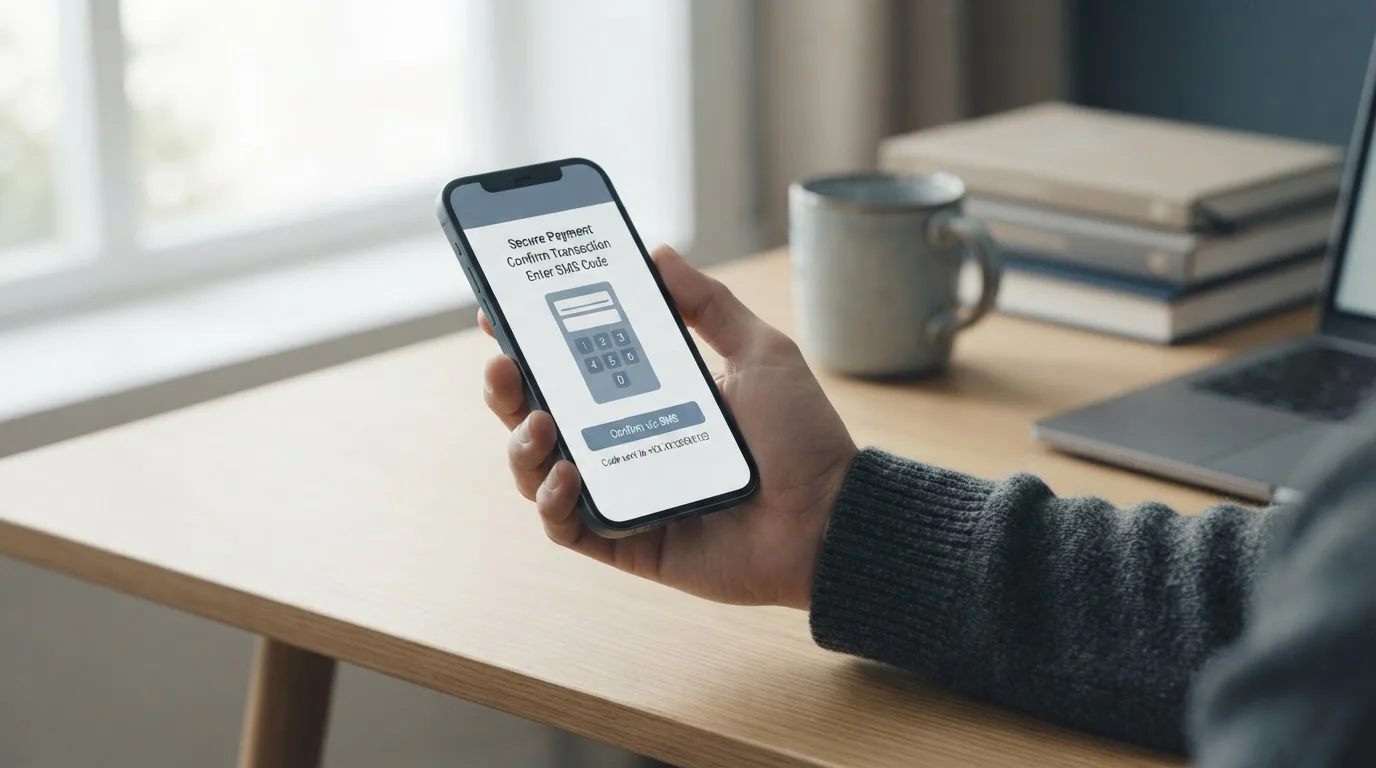
The search bar says “Boku casinos UK,” but the casino cashier says “Pay by Mobile” or shows a Fonix logo. You confirm the deposit with a text message, £10 lands in your account, and your next phone bill arrives £12.50 heavier. That mismatch between what you searched for and what you actually got is the UK phone-bill deposit market in three sentences.
Boku left. Fonix stayed. The £30 daily cap is still there. And 64 UKGC-licensed casinos will take your deposit straight off your mobile bill or PAYG credit as of October 2026, but only three charge you nothing for the privilege.
This is the full picture: which operators accept phone-bill deposits, what it costs, how the mechanics work, and what the practical limits mean for your play. No fluff, no “welcome to the exciting world of mobile gaming.” The facts and the trade-offs.
What Happened to Boku Casinos in the UK?
Boku Inc.—the San Francisco-based payment platform that gave carrier billing its UK brand—withdrew from direct casino integration during 2024–2025. The company is still around (publicly traded, NASDAQ:BOKU, processing payments in other verticals), but if you open a UK casino cashier in 2026, you will not see a Boku logo.
Fonix Mobile Payments took over. A UK-based carrier-billing aggregator, Fonix processed over £280 million in consumer payments in FY2025 and held 33% of the UK market for SMS and carrier billing by the time Boku stepped back. The September 2026 audit by bokupaybymobile.co.uk checked 66 UKGC-licensed operators and found “none still listing Boku”—all now run Fonix.

The mechanics stayed identical. You enter your phone number at the cashier, confirm a PIN sent by text, and the deposit credits instantly. The charge appears on your next phone bill (contract) or deducts from your pay-as-you-go balance immediately. The daily cap, the monthly aggregate limit, the one-way nature of the payment rail—none of that changed when Fonix replaced Boku.
Why the exit? Boku never issued a press release, but industry observers point to friction with UK mobile networks over gambling charges and Boku’s strategic pivot toward global e-commerce and digital wallets. The carrier-billing gambling vertical in the UK became a regulatory and reputational headache; Boku’s Q2 2026 earnings call made no mention of UK gambling at all.
Fonix has not invested in consumer brand-building the way Boku did from 2015–2023. That is why you still search “Boku casinos” even though Boku is not there. The term stuck because a generation of UK players learned it; Fonix runs the infrastructure without the marketing.
The underlying protocol is Payforit, owned collectively by EE, Vodafone, Three, and O2. Payforit is the network-layer plumbing; Fonix (or, in its day, Boku) is the merchant-facing aggregator that sits on top of it. When a casino accepts phone-bill deposits in 2026, the flow goes: player → Fonix → Payforit → mobile network → billing system. The casino never sees your phone number stored long-term, and the network never sees which casino you deposited at—Fonix is the firewall in the middle.
Casinos.com’s 2026 coverage mentions that “most Boku casino sites no longer accept Boku as a direct payment method” and suggests a workaround: top up a Neteller account with Boku, then use Neteller to deposit at the casino. That two-step path exists because Boku still processes payments in non-gambling verticals (you can add money to Neteller via Boku carrier billing), but it is clunky and adds friction. If the casino accepts Fonix-powered phone-bill deposits directly, there is no reason to route through Neteller.
A handful of operators—Casilando, 21 Casino, BOYLE Sports—were sometimes listed as potentially retaining Boku branding or integration. Checking the cashier shows which provider actually powers the deposit. If any do, they are outliers; the market has standardised on Fonix.
What is the difference between Boku and Fonix?
Boku was the brand UK players used from 2015–2023 for phone-bill casino deposits; it withdrew from direct UK casino integration in 2024–2025. Fonix is the carrier-billing provider that replaced Boku and now powers phone-bill deposits at UK casinos in 2026. The deposit process (SMS confirmation, instant credit) is identical; only the provider changed. Casinos now display “Pay by Mobile” or “Fonix” at the cashier instead of Boku logos.
Best UK Casinos Accepting Phone Bill Deposits in 2026
Sixty-four UKGC-licensed operators accept phone-bill deposits as of October 2026, but the fee structure splits them into three tiers. Three sites charge nothing. Sixty-one charge £2.50 on top of your deposit. Two charge 15%. That fee difference is the single biggest variable when choosing where to deposit by phone.
The comparison table below maps the named operators across licence, fee, withdrawal speed, and distinguishing features. The profiles below give each site a fuller write-up—what it offers, who runs it, what makes it worth considering or skipping.
| Operator | UKGC Licence | Deposit Fee | Withdrawal Speed | Min Deposit | Distinguishing Feature |
|---|---|---|---|---|---|
| IvyCasino | 23328 (Betable Limited) | £0 | 1–3 days (cards), 0–24 hrs (e-wallets) | £10 | Fee-free phone-bill deposit, 100% match up to £50 |
| Oreels | 23328 (Betable Limited) | £0 | 1–3 days (cards), under 24 hrs (e-wallets) | £10 | Fee-free, ranked #1 by bokupaybymobile.co.uk, 100% up to £25 on £20+ |
| Bet442 | 23328 (Betable Limited) | £0 | 1–3 days | £10 | Fee-free, sportsbook-primary, Bet Builder + live streaming |
| Big Thunder Slots | 39175 (Jumpman Gaming) | £2.50 | 2–5 days (cards), 1–3 days (e-wallets) | £10 | Jumpman network, 50% up to £100, £250 max conversion cap |
| New Spins | 39175 (Jumpman Gaming) | £2.50 | 2–5 days (cards), 1–3 days (e-wallets) | £10 | Jumpman network, shared jackpot pool, 50% up to £100 |
| Amazon Slots | 39175 (Jumpman Gaming) | £2.50 | 2–5 days (cards), 1–3 days (e-wallets) | £10 | Jumpman network, established brand (pre-2020), 500+ slots |
| Wizard Slots | 39175 (Jumpman Gaming) | £2.50 | 2–5 days (cards), 1–3 days (e-wallets) | £10 | Jumpman network, wizard branding, functionally identical to siblings |
| Monster Casino | ProgressPlay | Assumed £2.50 | 3–5 days (cards), 1–3 days (e-wallets) | £10 | ~1,000 titles claimed, £1,000+100 spins across five deposits, sportsbook+casino |
| Casino Kings | UKGC-licensed | Not disclosed | Not disclosed | £10 | Ranks high in search listings, operator details sparse |
| Justin Casino | UKGC-licensed | Not disclosed | Not disclosed | £10 | Ranks high in search listings, operator details sparse |
| Space Wins | UKGC-licensed | Not disclosed | Not disclosed | £10 | Ranks high in search listings, space/sci-fi branding |
| PlayOJO | 39326 (SkillOnNet) | Assumed £2.50 | Instant–24 hrs (e-wallets), 3–5 days (cards) | £10 | No-wagering model (unique), 7,000+ games, OJOplus cashback |
| Casilando | UKGC-licensed | Not disclosed | Not disclosed | £10 | Potential direct Boku retention (rare); check at the cashier |
| 21 Casino | UKGC-licensed | Not disclosed | Not disclosed | £10 | Potential Boku retention; check at the cashier |
| BOYLE Sports | UKGC-licensed | Not disclosed | Not disclosed | £10 | Irish bookmaker, sportsbook-primary, potential Boku retention |
The fee structure is the lead story. Betable Limited’s three sites (IvyCasino, Oreels, Bet442) are the only UKGC-licensed operators charging zero deposit fees for phone-bill payments as of October 2026. A £10 deposit costs £10 on your phone bill. Jumpman Gaming’s 61 sites add £2.50 on top: a £10 deposit costs £12.50. PayviaPhone-powered sites (Betsuna, JeffBet) charge 15%: £10 costs £11.50.
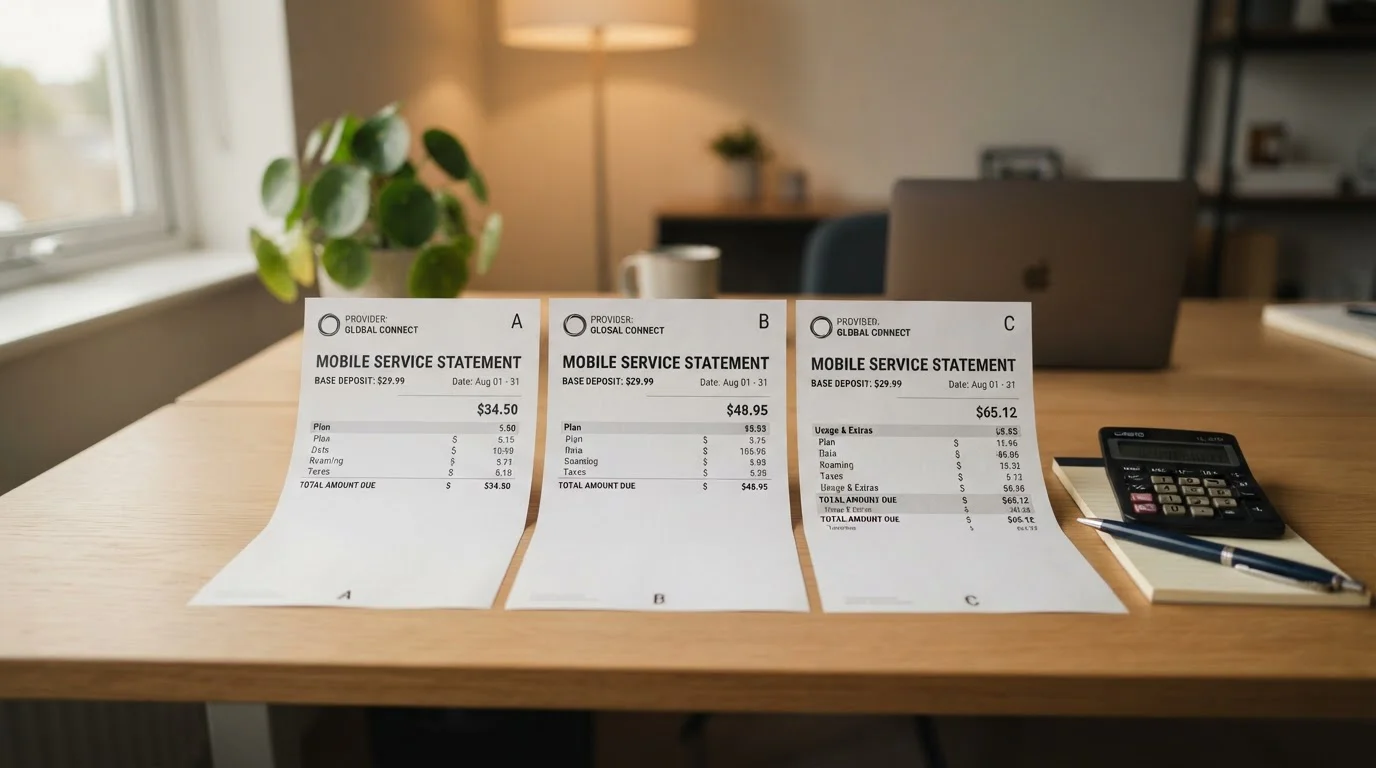
That £2.50 is not deducted from your deposit. It is added on top of what the casino receives. The distinction matters because it makes the cost less visible when you are confirming the deposit—you see “£10” at the cashier, you tap confirm, and your phone bill arrives £12.50 higher. The percentage cost is effectively 25% on a £10 deposit, 12.5% on a £20 deposit, diluting as you go higher (though the £30–£40 daily cap limits how much higher you can go in one transaction).
Betable’s zero-fee model launched with IvyCasino and Oreels in 2024 and has remained stable through October 2026. Jumpman’s £2.50 fee has been unchanged since 2022. The fee is set by the licensee, not by Fonix or the mobile network; Betable eats the carrier-billing cost, Jumpman passes it to the player.
IvyCasino
Manchester-based Betable Limited operates IvyCasino under UKGC licence 23328, with game supply from Grace Media (Gibraltar) Limited (UKGC software licence 57869). Launched in 2024, the site offers phone-bill deposits via Fonix with zero fee—£10 deposited is £10 billed. The minimum deposit is £10, making it accessible for small-stakes players.
The welcome bonus is a 100% match up to £50 on the first deposit, carrying 10x wagering and a £250 maximum conversion (the network-wide cap Betable applies across IvyCasino, Oreels, and Bet442). Payment methods include phone bill, debit cards, PayPal, Neteller, and Skrill. Withdrawals process in 1–3 business days for debit cards, 0–24 hours for e-wallets.
What sets IvyCasino apart is its fee structure. It is one of only three UKGC-licensed casinos charging nothing for phone-bill deposits as of October 2026. For a player depositing £10 twice a week, that is a £5 weekly saving over Jumpman sites (£2.50 × 2 deposits). Over a year, the difference is £260. That matters more than the bonus headline if you use phone billing regularly.
The game library size is not publicly disclosed, but Betable-powered catalogs typically run smaller than the 500–1,000-title libraries at Jumpman or ProgressPlay sites. If variety is the priority, IvyCasino may feel limited. If fee-free deposits and straightforward terms are the priority, it is the top-three choice.
Oreels
Oreels operates under the same Betable Limited / Grace Media Gibraltar structure as IvyCasino (UKGC 23328 and 57869), with the same zero-fee phone-bill model. Launched in 2024, it was ranked #1 by bokupaybymobile.co.uk’s September 2026 audit for phone-bill depositors, based on the combination of zero fee and an accessible welcome bonus.
The welcome offer is a 100% match up to £25 when depositing £20 or more. That £20 threshold is reachable in one phone-bill transaction (under the £30–£40 daily cap) or across two £10 deposits. The 10x wagering and £250 max conversion apply as per Betable’s network terms. Payment methods and withdrawal speeds mirror IvyCasino: phone bill, cards, e-wallets; 1–3 days for cards, under 24 hours for e-wallets.
Oreels’ #1 ranking comes down to pragmatism. The fee-free structure saves money on every deposit. The £20 welcome threshold fits the phone-bill cap without requiring a card top-up or multi-day deposit sequence. The Betable licence is independent—not a white-label under Jumpman or another aggregator—so the bonus terms and game library differ from the 61-site Jumpman monoculture.
The trade-off is the same as IvyCasino: a smaller game library than competitors with four-figure catalogs. If the catalog feels thin after a few sessions, the fee-free benefit still holds when you deposit; switching to a Jumpman site later means paying £2.50 per transaction from that point forward.
Bet442
Bet442 is Betable Limited’s sportsbook-first entry, licensed under UKGC 23328. Launched in 2024, it pairs sports betting with a casino offering, both under one account. Phone-bill deposits are fee-free (£10 = £10 billed), matching IvyCasino and Oreels.
The sportsbook features a Bet Builder tool (construct multi-leg same-game parlays) and live streaming on selected football matches. The welcome offer is sports-focused as of October 2026—typically Bet Builder Free Bets rather than a casino deposit match. The casino side is secondary; the game library is present but not the headline.
Bet442 suits bettors who want phone-bill convenience across both sports and casino without paying a deposit fee. The £10 minimum applies to both verticals. Withdrawals run 1–3 days across the board. The topendsports.com review (published 2024, updated 2026) confirms the UKGC licence and highlights the “football-led” positioning.
For a casino-primary player, IvyCasino or Oreels is the better fit. For a sports bettor who occasionally plays slots, Bet442 delivers fee-free access to both without splitting accounts or paying Jumpman-tier fees.
Big Thunder Slots
Big Thunder Slots is one of 61 sites in Jumpman Gaming Limited’s network, operating under UKGC licence 39175. The phone-bill deposit fee is £2.50 flat (£10 deposit costs £12.50 on your phone bill). The welcome bonus is 50% up to £100, carrying 10x wagering and a £250 maximum conversion—the network-wide cap that applies across all Jumpman brands.
The slots library runs 500+ titles from mainstream providers (NetEnt, Pragmatic Play, Big Time Gaming). Payment methods include phone bill, debit cards, PayPal, and Paysafe. Withdrawals take 2–5 days for cards, 1–3 days for e-wallets. Monthly cashback and a VIP ladder are Jumpman network-wide features, accessible here and across the 60 sibling sites.
Big Thunder Slots is representative of the Jumpman formula: a branded storefront sitting on shared infrastructure. The game library, the bonus terms, the payment rails, the licence—all identical to New Spins, Amazon Slots, Wizard Slots, and 57 others. The brand name and homepage layout differ; nothing functional does.
The £250 max conversion cap applies network-wide. If you deposit at Big Thunder and claim the 50% bonus, then later deposit at Amazon Slots and claim its bonus, both contribute to the same £250 lifetime ceiling. That cap was documented in the October 2026 T&Cs check and is a known friction point for players who treat each Jumpman site as independent.
The £2.50 fee is the cost of entry. Betable’s three sites charge nothing; Jumpman’s 61 sites all charge £2.50. The choice is binary: pay for access to Jumpman’s network reach and jackpot pools, or save the fee at Betable’s smaller catalog.
New Spins
New Spins operates under the same Jumpman Gaming UKGC 39175 licence as Big Thunder Slots, with the same £2.50 phone-bill fee, 50% up to £100 welcome bonus, £250 max conversion, and 500+ slots library. Payment methods, withdrawal times, and VIP structure are network-standard.
The branding angle here is “new”—the name suggests fresh launches and appeals to players who prioritise recent releases over catalog depth. In practice, the game library is the same as Big Thunder, Amazon Slots, and the rest of the Jumpman network. Providers license their slots to Jumpman, and Jumpman distributes them across the 61 storefronts.
The shared jackpot network is a Jumpman-wide feature. Progressive pots accumulate across all 61 sites, seeded by play at any of them. A jackpot won at New Spins could have been fed by deposits at Wizard Slots and Big Thunder. That pooling raises the prize ceiling but also means you are competing against a larger player base.
New Spins launched post-2020 (exact date not disclosed; Jumpman sites launch and rebrand frequently as part of the network’s rollout strategy). At the cashier it charges the £2.50 fee and Fonix integration. The T&Cs carry the standard Jumpman £250 conversion cap.
For a player already familiar with Jumpman’s terms, New Spins offers nothing functionally new. For a first-time Jumpman user, it is as valid an entry point as any of the 60 siblings—the brand name makes no operational difference.
Amazon Slots
Amazon Slots is one of Jumpman Gaming’s earlier network launches, pre-dating 2020 per web archive snapshots (earliest 2019). It operates under UKGC 39175 with the network-standard £2.50 phone-bill fee, 50% up to £100 bonus, £250 max conversion, and 500+ slots.
The brand has higher name recognition among casual UK players than newer Jumpman launches, likely due to its longer presence in affiliate listings and the memorable (if legally risky) “Amazon” association. Jumpman does not operate the e-commerce platform, obviously; the name is coincidental branding, not a partnership.
Functionally, Amazon Slots is identical to Big Thunder, New Spins, and Wizard Slots. The game library is shared, the payment rails are shared, the licence is shared, the bonus terms are shared. The £2.50 fee applies identically. The withdrawal times (2–5 days cards, 1–3 days e-wallets) are network-standard.
It runs Fonix-powered phone-bill deposits and the £2.50 fee added on top. The T&Cs carry the £250 conversion cap with the standard Jumpman wording: “Max conversion from bonus funds to real money is capped at the player’s lifetime deposits, up to a maximum of £250.”
For a player choosing between Jumpman sites, Amazon Slots offers brand familiarity and nothing else. The pre-2020 launch gives it seniority in the network but no operational advantage. The fee, the bonus, the catalog—all the same.
Wizard Slots
Wizard Slots operates under Jumpman Gaming UKGC 39175 with the network’s standard £2.50 phone-bill fee, 50% up to £100 bonus, £250 max conversion, and 500+ slots library. Payment methods include phone bill, cards, PayPal, and e-wallets. Withdrawals run 2–5 days for cards, 1–3 days for e-wallets.
The wizard and magic branding theme differentiates the homepage visuals but changes nothing functional. The game library, licence, bonus terms, payment rails, and fee structure are identical to Big Thunder Slots, New Spins, and Amazon Slots. The £2.50 fee is added on top of the deposit amount (£10 costs £12.50 on the phone bill).
Wizard Slots’ launch date is not publicly disclosed. It runs Fonix-powered phone-bill deposits and the £2.50 fee. The T&Cs document the £250 lifetime conversion cap and reference Jumpman Gaming Limited as the operator under UKGC 39175.
The choice between Wizard Slots and any of its 60 Jumpman siblings comes down to theme preference and nothing more. If wizard branding appeals, Wizard Slots delivers. If another theme appeals, pick that sibling instead. The backend is identical across the network.
Monster Casino
Monster Casino operates under ProgressPlay Limited’s UKGC licence (the account number is listed on the UKGC register rather than on its main pages). The site combines sportsbook and casino under one account, with a game library the operator claims reaches ~1,000 titles. Phone-bill deposits are supported via Fonix; the fee structure is assumed to be £2.50 based on its non-Betable status, so confirm the amount at the cashier before depositing.
The welcome package spreads across five deposits, worth up to £1,000 plus 100 free spins total. The first deposit brings the bulk of the bonus; subsequent reloads add smaller matches and spin batches. This structure differs from Jumpman’s single 50% offer and Betable’s single 100% offer; it rewards sustained play over a longer period.
Payment methods include phone bill, debit cards, PayPal, Neteller, Skrill, and bank transfer. Withdrawals typically process within a week per reviews, breaking down to 3–5 days for cards and 1–3 days for e-wallets. The Monster Casino review by casino.online (2026) notes “verification delays plague new players, often causing week-long holds on withdrawals”—a common friction point at KYC-heavy operators.
The ~1,000-title game library is an operator claim, not independently verified. If accurate, it is larger than Jumpman’s 500+ and Betable’s undisclosed (likely smaller) catalogs. The sportsbook integration means one account serves both verticals, reducing the need to split balances.
Monster Casino appears frequently in top-10 lists in search results, including Standard.co.uk’s October 2026 “Best Pay by Mobile Casinos” ranking. That visibility is affiliate-driven (paid placements or commission partnerships), not a regulatory endorsement. The site is UKGC-licensed and legal, but top-10 placement says nothing about operational quality or withdrawal speed.
Casino Kings
Casino Kings appears in Standard.co.uk’s October 2026 top-10 list for phone-bill casinos but carries sparse operator details in public sources. The UKGC licence is implied (all UK-facing casinos must hold one), but the account number and operating entity aren’t shown on its main pages. Its phone-bill fee, welcome bonus, game-library size and withdrawal times aren’t published either.
Its October 2026 search ranking suggests affiliate endorsement or paid listing, indicating the site is actively marketed to phone-bill depositors. Detailed fee and bonus data for this operator is limited.
You can confirm the licence holder and account number on the UKGC register, and the deposit fee at the cashier before you pay; expect £0 (unlikely, given only Betable charges nothing), £2.50 (Jumpman-tier), or an undisclosed alternative. Until you’ve checked, Casino Kings is a named option in the market with limited public detail.
Justin Casino
Justin Casino is named in Standard.co.uk’s October 2026 phone-bill casino top-10 list, indicating strong search visibility and likely affiliate partnership. It publishes little hard detail: UKGC licence number, fee structure, bonus terms, game library and withdrawal speeds aren’t stated on its main pages.
The site will hold a UKGC licence (operating in the UK legally requires one), and phone-bill deposits are supported (it would not appear in phone-bill casino lists otherwise). Beyond that, there’s little public detail, so check the UKGC register and the cashier before depositing.
Justin Casino’s search visibility suggests active marketing toward phone-bill depositors but does not convey operational quality, fee transparency, or withdrawal reliability. There isn’t enough published detail to say more about it here.
Space Wins
Space Wins appears in Standard.co.uk’s October 2026 top-10 phone-bill casino list, suggesting affiliate visibility. The space or sci-fi branding theme is inferred from the name. The operator publishes little hard detail: UKGC licence number, fee structure, bonus terms, game-library size and withdrawal times aren’t stated.
The site will be UKGC-licensed and support phone-bill deposits via Fonix or an equivalent. Check the UKGC register for the licence holder and the cashier for the fee tier (£0 / £2.50 / 15%), and the details of the offering.
Space Wins’ top-10 placement indicates market presence but does not substitute for verified profile data. For a player considering it, the absence of public detail on fees and withdrawal speed is a flag to verify before depositing.
PlayOJO
PlayOJO, operated by SkillOnNet Limited under UKGC licence 39326, launched in 2017 with a singular value proposition: no wagering requirements on any bonus, ever. That policy remains in force as of October 2026. Every bonus, every free spin, every cashback payment lands as real cash with no rollover conditions.
The welcome offer is 80 free spins on Big Bass Bonanza with a £10 minimum deposit (Casino.org exclusive; direct sign-ups receive 50 spins). No wagering applies. The OJOplus cashback system returns a percentage of every spin’s stake as cash, win or lose, with no wagering. The OJO Wheel awards random prizes (cash, spins) periodically, also wager-free.
The game library is 7,000+ titles from 50+ providers, per PlayOJO’s October 2026 site data. That is the largest catalog among the phone-bill casinos covered here—Jumpman runs 500+, Betable’s catalog is undisclosed but likely smaller, Monster Casino claims ~1,000. PlayOJO’s breadth covers slots, live dealer, and bingo under one account.
Phone-bill deposits are supported via Fonix, per the PlayOJO blog article “Pay By Mobile Casino Explained” (checked October 2026). The fee structure is not disclosed in public sources; given PlayOJO is not Betable-operated, the £2.50 Jumpman-tier fee is the likely charge, so confirm it at the cashier. Payment methods include phone bill, debit cards, PayPal, Neteller, Skrill, and bank transfer. Withdrawals process instantly to 24 hours for e-wallets, 3–5 days for cards.
What sets PlayOJO apart is the no-wagering model. It is unique among UKGC-licensed operators; no other major casino in the UK market applies zero wagering across all bonuses. That transparency comes at a cost: the welcome offer is smaller in headline value than Jumpman’s 50% up to £100 or Monster’s five-deposit £1,000 package. But 80 wager-free spins deliver more extractable value than 200 spins with 40x rollover, assuming typical slot volatility.
The October 2026 reviews by casino.org and playojjo.co.uk confirm the UKGC 39326 licence, the 7,000+ game count, and the no-wagering policy. The welcome offer excludes Northern Ireland per T&Cs (a UKGC compliance quirk tied to promotional regulations in NI). Verification checks can slow first withdrawals (a common complaint in user reviews), but once cleared, payouts run faster than Jumpman’s 2–5 day card standard.
PlayOJO suits players who value fairness and transparency over large bonus headlines. The phone-bill deposit option adds convenience, though the fee (if £2.50) dilutes the value proposition slightly compared to Betable’s zero-fee trio.
Casilando
Casilando was flagged in the casinos.com October 2026 Boku article as one of a few operators potentially retaining Boku branding or integration alongside Fonix. The site is UKGC-licensed, though it doesn’t prominently show its account number, and its operating entity, fee structure, welcome bonus, game-library size and withdrawal speeds aren’t published.
If Casilando does retain direct Boku integration in 2026, it would be rare—bokupaybymobile.co.uk’s September 2026 audit of 66 operators found “none still listing Boku.” The cashier shows whether any Boku branding is still there, whether it’s functional or just legacy UI, and whether Fonix powers the backend regardless.
Without verification, Casilando is a named option with limited public profile data. Its appearance in search results suggests it serves phone-bill depositors, but fee transparency and operational specifics remain unconfirmed.
21 Casino
21 Casino appears in the casinos.com October 2026 Boku article as potentially offering Boku integration. The site is UKGC-licensed, though it doesn’t show its account number, and its operator, fee structure, bonus terms, game library and withdrawal times aren’t published.
If Boku branding or integration persists at 21 Casino in 2026, it would be an outlier in a market that has standardised on Fonix. The cashier shows the payment-provider setup and the fee tier.
21 Casino’s mention in phone-bill casino coverage indicates market presence but not detailed operator information. There isn’t enough published detail to say more here.
BOYLE Sports
BOYLE Sports is an Irish-founded bookmaker with cross-border operations in the UK under a separate UKGC licence (the account number isn’t shown on its main pages). The brand has pre-2010 origins in Ireland; UK operations are licensed independently. The site is sportsbook-primary with a casino offering as a secondary vertical.
BOYLE Sports was flagged in the casinos.com October 2026 Boku article as potentially retaining Boku branding. If so, it would be an outlier among UK operators in 2026. The cashier shows whether any Boku integration is functional or whether Fonix powers the backend behind legacy Boku branding in the UI.
Its fee structure, casino-side welcome bonus (if any), game-library size and withdrawal speeds aren’t published. The sportsbook heritage suggests the casino catalog is smaller than casino-primary competitors.
BOYLE’s established Irish presence and UK UKGC compliance give it credibility, but the absence of public profile detail indicates it is not a top-tier option for casino players specifically. For sports bettors who occasionally play casino games and prefer an Irish-branded operator, BOYLE delivers UKGC-licensed access. For casino-primary players, operators with deeper game libraries and documented phone-bill fee structures offer clearer value.
Why do some casinos charge £2.50 for phone bill deposits and others don’t?
The fee is set by the casino operator, not by Fonix or the mobile network. Betable Limited (IvyCasino, Oreels, Bet442) absorbs the carrier-billing cost and charges players nothing. Jumpman Gaming’s 61 sites pass the cost to players as a £2.50 flat fee added on top of the deposit. PayviaPhone-powered sites (Betsuna, JeffBet) charge 15%. The £2.50 or 15% goes to the operator to cover the carrier-billing merchant fees; it does not go to your mobile network or to Fonix.
How Pay-By-Mobile Deposits Work
The four-step process is identical whether the casino displays “Pay by Mobile,” “Fonix,” “Boku,” or generic phone-bill branding. You select the method at the cashier, enter your phone number and the deposit amount, receive an SMS with a one-time PIN, and confirm the PIN. The deposit credits to your casino account instantly—typically within five seconds.
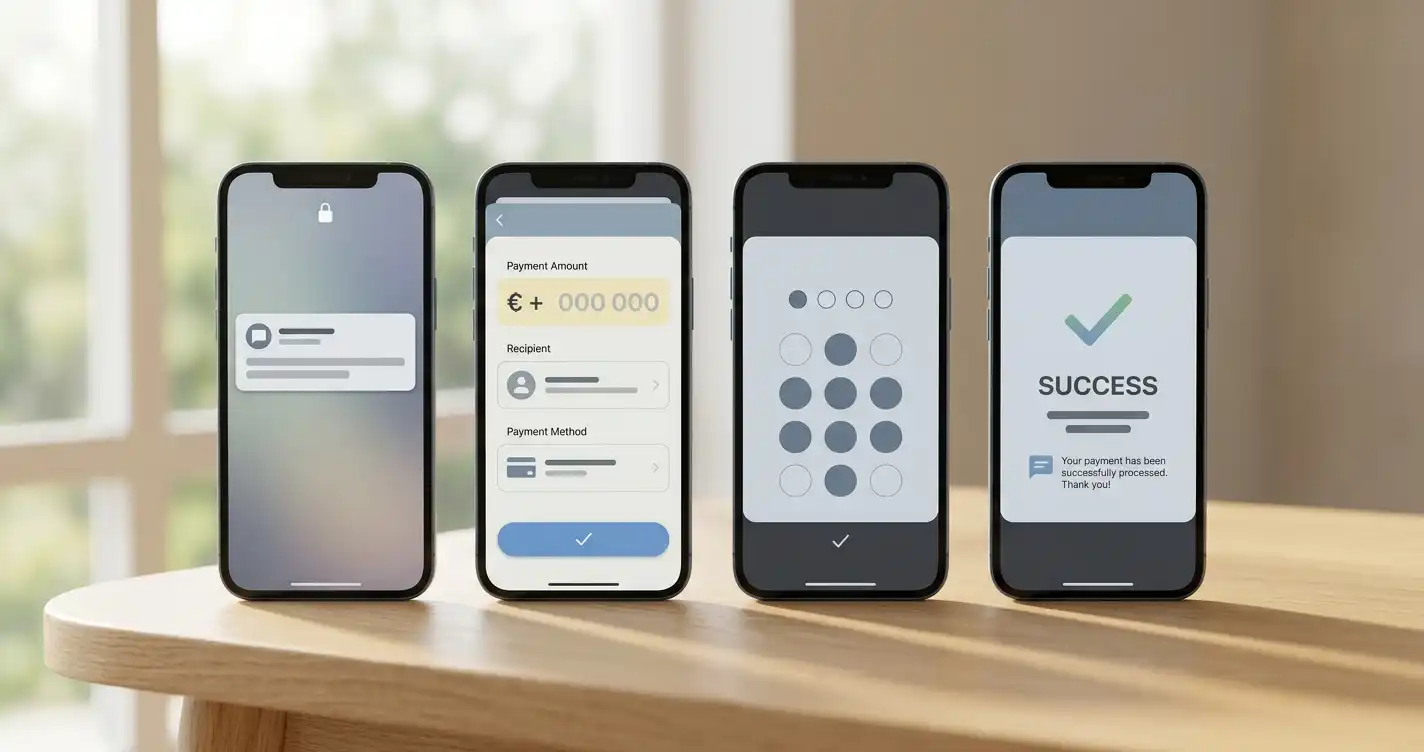
The Four-Step Process
Step one: open the casino cashier and select Pay by Mobile (or equivalent wording: “Phone Bill,” “Mobile Deposit,” “Fonix”). The minimum deposit is £10 at most sites. Enter the amount you want to deposit—£10, £20, £30, up to the daily cap.
Step two: enter your UK mobile phone number. The format is typically 07xxx xxxxxx (11 digits total). The casino does not store this number long-term; it passes through to Fonix, which routes the billing request to your mobile network.
Step three: you receive an SMS from your network (EE, Vodafone, Three, O2, or MVNO) with a one-time PIN. The SMS arrives within 10–30 seconds. The message includes the deposit amount and a confirmation prompt.
Step four: enter the PIN at the casino cashier and confirm. The deposit credits instantly. The charge appears on your next phone bill (contract customers) or deducts from your pay-as-you-go credit immediately (PAYG customers). No further confirmation is needed; you can start playing as soon as the balance updates.
The SMS is mandatory—there is no way to bypass two-factor confirmation. If you do not receive the SMS, check your network signal, verify the phone number was entered correctly, and confirm your account supports premium-rate billing (some networks allow customers to block premium services; if blocked, phone-bill deposits will not work).
Behind the Scenes: Fonix and Payforit
Fonix is the merchant aggregator sitting between the casino and your mobile network. When you confirm the deposit, the flow is: casino → Fonix → Payforit → mobile network → billing system. Payforit is the network-layer protocol, owned collectively by EE, Vodafone, Three, and O2. Fonix integrates with Payforit on one side and with casino payment systems on the other.
The casino never sees your phone number stored in their database; it is passed through Fonix as a one-time transaction reference. The mobile network sees a premium-rate charge from Fonix but does not see which casino you deposited at. Fonix acts as the privacy firewall: the casino knows you deposited £10, the network knows you authorised a £10 charge to a gambling merchant, but neither sees the full picture.
Fonix processed over £280 million in consumer payments in FY2025 and held 33% of the UK market for SMS and carrier billing by March 2025. That market share grew from 25% in 2024, driven largely by Boku’s exit and Fonix’s partnerships with Jumpman Gaming and Betable Limited.
The £30–£40 daily cap and the £240 monthly aggregate limit are set by the mobile networks under guidance from the Phone-paid Services Authority (PSA), not by Fonix, the casino, or the UKGC. The daily cap resets at midnight UK time. The monthly cap is a rolling 30-day window, not a calendar month. If you deposit £30/day for eight consecutive days, you hit £240 on day eight and are blocked until day one falls outside the 30-day window.
Is paying by phone bill safer than using a debit card?
Paying by phone bill is safer in the narrow sense that your bank details never reach the casino—the charge routes through your mobile network instead. The casino cannot store or misuse your card number because they never receive it. However, phone-bill deposits offer no chargeback protection (you cannot dispute a phone-bill charge the way you can dispute a card transaction), and withdrawals still require a card or bank account on file. Overall, phone-bill deposits add privacy but not financial protection.
Deposit Limits, Fees and Withdrawal Constraints
The £30–£40 daily cap is not a casino policy. It is network policy, enforced by EE, Vodafone, Three, and O2 under PSA oversight. No UKGC-licensed operator can override it. You cannot deposit £50 in one phone-bill transaction even if the casino’s minimum deposit policy allows it.
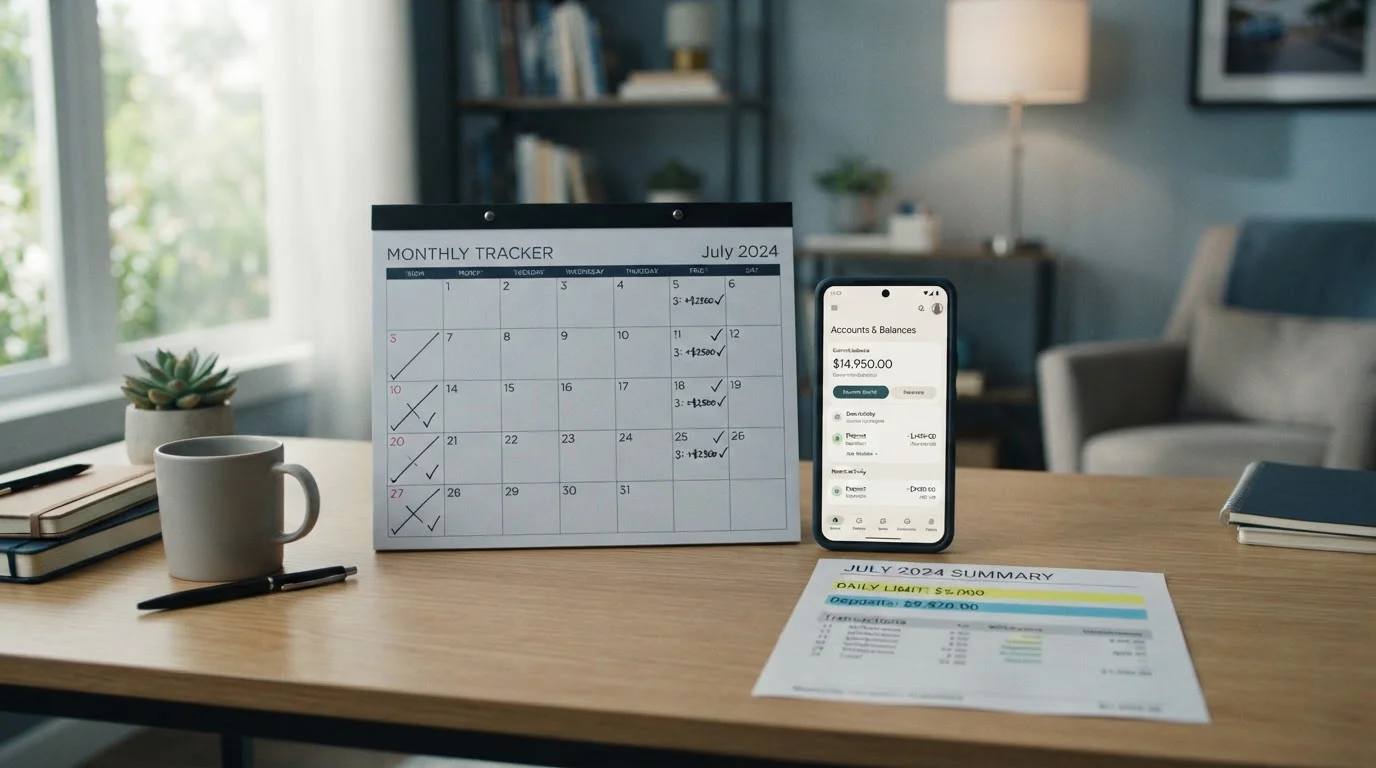
Daily and Monthly Caps
The daily limit as of October 2026 is £30 for Vodafone and Three, £40 for EE and O2. That ceiling applies per day, not per casino. If you deposit £30 at IvyCasino in the morning, you cannot deposit another £10 at Oreels that evening—the network sees both as premium-rate gambling charges and enforces the cap cumulatively.
The monthly aggregate limit is approximately £240 across all premium-rate services, not just gambling. Charity donations, digital content purchases, competition entries—anything billed through Payforit counts toward the same £240 rolling window. The PSA’s June 2026 review confirmed the limit as effective for harm minimisation and recommended no changes.
The £10 minimum deposit at most casinos means three transactions per day maximum (£10 × 3 = £30), or four if your network allows £40. Over a month, the £240 cap permits 24 separate £10 deposits or 12 separate £20 deposits before hitting the ceiling.
For casual players depositing £10–£20 once or twice a week, the caps are invisible. For frequent depositors or bonus chasers trying to meet large qualifying thresholds (£50–£100 first-deposit bonuses), the caps force multi-day deposit sequences or card top-ups.
The One-Way Problem
Phone-bill deposits are a one-way payment rail. Carrier billing moves money in one direction only: from your phone account to the merchant. The Payforit protocol as of 2026 has no reverse-transaction capability. You cannot withdraw casino winnings to your phone bill.
Every casino accepting phone-bill deposits requires you to add a debit card, bank account, or e-wallet to your profile before processing a withdrawal. The payout goes to that method, not to your phone. The practical consequence: phone-bill deposits alone are insufficient if you do not have traditional banking. A player with only a pay-as-you-go phone and no card or bank account can deposit but cannot cash out.
This is rare but documented. Consumer forums carry occasional complaints from players who deposited via phone bill, won, and discovered they had no withdrawal route without opening a bank account or obtaining a debit card. The friction is structural, not a casino policy; the payment rail itself is one-way.
For most players, this is not a blocker—you add a card during registration or when you request your first withdrawal. But it is worth knowing upfront: if you deposit £10 by phone and win £50, the £50 comes back to a card or bank transfer, never to your phone bill.
Fee Transparency
The £2.50 Jumpman-tier fee is added on top of the deposit amount, not deducted from it. A £10 deposit costs £12.50 on your phone bill, but the casino account receives £10. The percentage cost is 25% on a £10 deposit, 12.5% on a £20 deposit, 8.3% on a £30 deposit.
That fee is visible at the cashier confirmation screen before you enter the PIN. The SMS you receive also states the total charge. But because the flow is fast—select method, enter number, receive SMS, confirm PIN—players often tap through without registering the £2.50 addition. The phone bill arrives a week or a month later, and the charge is £12.50 higher than expected.
Betable’s three sites (IvyCasino, Oreels, Bet442) charge nothing. A £10 deposit costs £10 on the phone bill. For regular phone-bill depositors, that is the clearest value in the market as of October 2026.
PayviaPhone’s 15% fee (Betsuna, JeffBet) is less common. A £10 deposit costs £11.50. The percentage is lower than Jumpman’s £2.50 on small amounts but higher on deposits above £16.67 (where 15% exceeds £2.50 flat).
The fee is set by the operator and passed to the player. Fonix charges merchant fees to the casino; the casino decides whether to absorb them (Betable) or pass them on (Jumpman, PayviaPhone). The mobile network does not take a cut of the £2.50 or 15%—it receives a separate carrier-billing service fee from Fonix.
How does the £30 daily limit work across multiple casinos?
The £30 daily cap (or £40 on EE and O2) is enforced network-wide, not per casino. If you deposit £30 at Casino A in the morning, your network blocks further premium-rate gambling charges for the rest of that day, even if you try a different casino. The cap resets at midnight UK time. The network sees all Fonix-powered gambling charges as the same category and enforces the limit cumulatively.
Can I withdraw winnings to my phone bill?
No. Phone-bill deposits are one-way; the Payforit protocol has no reverse-transaction capability. Withdrawals must go to a debit card, bank transfer, or e-wallet. You will need to add one of those to your casino profile before cashing out. The deposit route (phone bill) and withdrawal route (card/bank) are separate and cannot be the same method.
Which Mobile Networks Support Gambling Charges
Four UK networks own their own infrastructure: EE, Vodafone, Three, and O2. All four support premium-rate gambling charges via Payforit as of October 2026. Mobile virtual network operators (MVNOs) inherit the policy of whichever network they ride. Virgin Media and Sky Mobile block gambling charges entirely.
Networks That Work
EE, Vodafone, Three, and O2 all permit phone-bill deposits to UKGC-licensed casinos. The daily cap is £30 (Vodafone, Three) or £40 (EE, O2). The monthly aggregate is ~£240 rolling 30-day across all premium services.
Giffgaff runs on O2’s network and inherits O2’s £40 daily cap. Tesco Mobile runs on O2 and supports gambling charges with the same £40 ceiling. Lebara, Smarty, and other MVNOs riding EE, Vodafone, Three, or O2 inherit their host network’s policy—gambling charges are permitted, caps apply.
Contract and pay-as-you-go customers are treated identically by the network. PAYG deposits deduct from your credit balance immediately; contract deposits appear on your next bill. The daily and monthly caps apply to both.
The table below maps the major networks and their gambling-support status as of October 2026:
| Network | Owner / Host | Gambling Support | Daily Cap | Notes |
|---|---|---|---|---|
| EE | BT Group | Yes | £40 | Owned infrastructure, supports Payforit gambling charges |
| Vodafone | Vodafone Group | Yes | £30 | Owned infrastructure, supports Payforit gambling charges |
| Three | CK Hutchison | Yes | £30 | Owned infrastructure, supports Payforit gambling charges |
| O2 | Virgin Media O2 | Yes | £40 | Owned infrastructure, supports Payforit gambling charges |
| Giffgaff | Runs on O2 | Yes | £40 | MVNO, inherits O2 policy |
| Tesco Mobile | Runs on O2 | Yes | £40 | MVNO, inherits O2 policy |
| Lebara | Runs on Vodafone | Yes | £30 | MVNO, inherits Vodafone policy |
| Smarty | Runs on Three | Yes | £30 | MVNO, inherits Three policy |
| Virgin Media | Virgin Media O2 | No | N/A | Blocks premium-rate gambling charges |
| Sky Mobile | Runs on O2 | No | N/A | Blocks premium-rate gambling charges (policy override) |
Networks That Block
Virgin Media blocks all premium-rate gambling charges as of October 2026. The network owns O2 (merged entity Virgin Media O2), but Virgin Media mobile customers cannot deposit to casinos via phone bill. The block is a brand-level policy decision, not a technical limitation.
Sky Mobile runs on O2’s infrastructure but overrides O2’s gambling-support policy. Sky Mobile customers cannot deposit to casinos via phone bill, even though O2 customers can. The block is Sky’s retail policy, applied at the account level.
If you are on Virgin Media or Sky Mobile and attempt a phone-bill deposit, the transaction will fail at the SMS confirmation stage. The network rejects the premium-rate charge request before the PIN is sent. No error message explains why; the deposit simply does not process.
The blocks are permanent as of October 2026. Neither Virgin Media nor Sky Mobile has signalled plans to reverse them. For casino players on those networks, the workaround is switching to a card, e-wallet, or bank transfer for deposits, or moving to a different mobile provider (EE, Vodafone, Three, O2, Giffgaff, Tesco Mobile).
Which UK mobile networks support gambling deposits?
EE, Vodafone, Three, and O2 all support phone-bill deposits to UKGC-licensed casinos, with daily caps of £30–£40. MVNOs (Giffgaff, Tesco Mobile, Lebara, Smarty) inherit their host network’s policy and support gambling charges. Virgin Media and Sky Mobile block all premium-rate gambling charges; customers on those networks cannot deposit by phone bill.
Can I use pay by mobile on Virgin Media or Sky Mobile?
No. Virgin Media and Sky Mobile block premium-rate gambling charges as a brand policy. Deposits via phone bill will not work on those networks. If you are on Virgin Media or Sky Mobile and want to deposit by phone, you would need to switch to EE, Vodafone, Three, O2, or an MVNO riding one of those four.
Bonuses and Phone Bill Deposits
Phone-bill deposits count toward welcome-bonus qualifying thresholds the same way card or e-wallet deposits do. A £10 phone-bill deposit at IvyCasino triggers the 100% match up to £50; a £20 deposit at Oreels qualifies for the 100% up to £25. The deposit method does not disqualify you from the bonus.

The friction is the £30–£40 daily cap. Large welcome bonuses requiring £50, £75, or £100 first deposits cannot be met in a single phone-bill transaction. The workarounds are multi-day deposit sequences (deposit £30 today, £20 tomorrow to reach £50) or topping up with a card to hit the threshold in one go.
Multi-day sequences work if the bonus terms allow cumulative deposits within a time window. Some operators count only the first deposit; others count the first-day total or the first-week total. The T&Cs specify which. If “first deposit” means the literal first transaction, a £30 phone-bill deposit maxes out at 50% of £50 qualifying thresholds.
Jumpman Gaming’s £250 max conversion cap applies network-wide across all 61 sites. That cap is tied to lifetime deposits, not bonus claims. If you deposit £50 across two Jumpman sites and claim bonuses at both, the £250 ceiling governs total winnings from both bonuses combined. The cap is documented in the October 2026 T&Cs and is a known friction point for players who treat each Jumpman brand as independent.
Betable’s £250 cap applies across IvyCasino, Oreels, and Bet442. PlayOJO has no max conversion (the no-wagering model bypasses the issue entirely—free spins pay as real cash with no rollover, so there is no bonus balance to cap).
The £30–£40 daily cap also limits re-deposit velocity for reload bonuses. If a site offers a 50% match on your second deposit up to £100, reaching that £100 threshold via phone bill requires at least three days (£40 + £40 + £20 on EE/O2, or £30 + £30 + £30 + £10 on Vodafone/Three). By then, the reload offer may have expired (many have 7-day validity windows).
For casual players depositing £10–£20 per session and ignoring large bonuses, the caps are not a blocker. For bonus optimisers chasing maximum value, phone-bill deposits introduce timing friction that cards do not.
Do phone bill deposits count toward welcome bonus requirements?
Yes. Phone-bill deposits count as real-money deposits and qualify for welcome bonuses the same way card or e-wallet deposits do. However, the £30–£40 daily cap limits how much you can deposit in one transaction. If a bonus requires a £50 or £100 first deposit, you will need to split it across multiple days or top up with a card to meet the threshold in one go.
UKGC Licensing and Safety
Every casino in this guide holds an active UK Gambling Commission remote casino operating licence. The UKGC public register at gamblingcommission.gov.uk lists all 139 businesses holding active remote casino licences as of September 2026, along with their trading names, account numbers, and domain registrations.
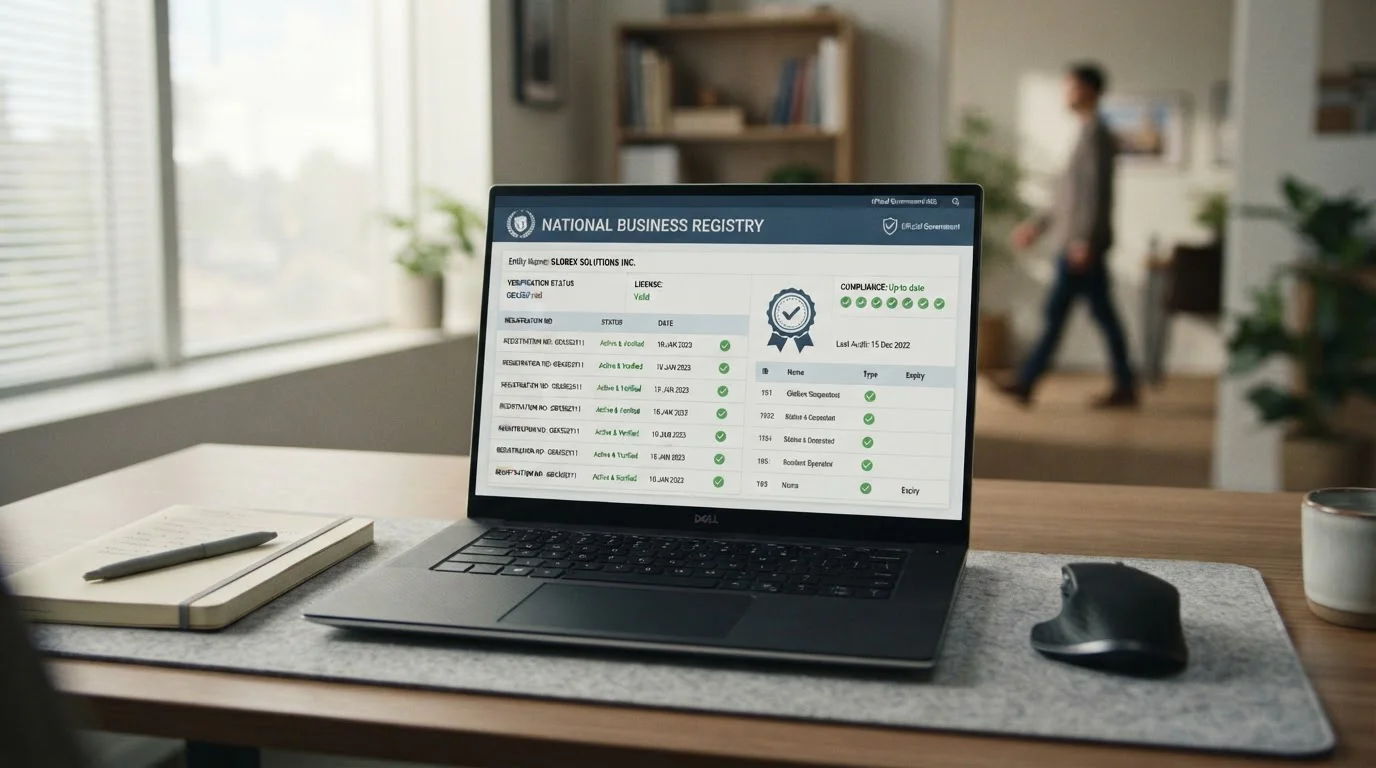
Operators are required to display their UKGC licence number (a five-digit account number) in the site footer, typically with wording like “Licensed and regulated by the UK Gambling Commission, account number XXXXX.” Clicking the licence number link or searching the public register confirms the licence is active and matches the operator entity.
Betable Limited operates under UKGC account 23328. Jumpman Gaming operates under 39175. SkillOnNet (PlayOJO) operates under 39326. ProgressPlay’s exact licence number isn’t shown here but is verifiable on the UKGC public register. Grace Media (Gibraltar) Limited holds UKGC software licence 57869 and supplies games to Betable’s three sites.
UKGC licensing is binary: an operator either holds an active licence or it does not. Licensing is not a quality signal—it is a baseline legal requirement for serving UK customers. A UKGC-licensed casino is not automatically trustworthy, fast-paying, or customer-friendly; it simply means the business meets the statutory minimum to operate in Great Britain.
The UKGC enforces strict rules on game fairness (RNG testing, RTP transparency), responsible gambling tools (deposit limits, self-exclusion via GamStop, reality checks), KYC verification (proof of identity and address before withdrawals over £2,000), and advertising standards (no targeting under-18s, no misleading bonus terms). Operators that breach those rules face fines, licence suspensions, or revocations.
The September 2026 register update shows 139 active remote casino licensees. That number has been stable since June 2026; no major market exits or entries occurred in H2 2026. The UKGC’s annual review (published June 2026) flagged no systemic issues with phone-bill deposit operators specifically; the £30–£40 cap remains effective as a harm-minimisation tool.
Phone-bill deposits add a layer of privacy (your bank details never reach the casino), but they do not eliminate operational risk. A UKGC-licensed casino can still delay withdrawals, impose restrictive bonus terms, or provide poor customer service. The licence is the floor, not the ceiling.
For a player choosing between Betable, Jumpman, ProgressPlay, or SkillOnNet, the UKGC licence is constant across all four. The differentiators are fee structure, withdrawal speed, bonus terms, and game library—not regulatory standing.
When Phone Bill Deposits Make Sense (and When They Don’t)
Phone-bill deposits are ideal for casual players making small, infrequent deposits who value privacy and do not have immediate access to a debit card. The £30–£40 daily cap functions as a built-in spending limit, and the instant credit (no bank login, no card details stored) makes the flow frictionless.
The method works well for £10–£20 sessions once or twice a week. A player depositing £10 on Friday evening and £20 on Sunday afternoon stays well under the daily cap and never approaches the £240 monthly ceiling. The phone bill arrives later as a lump sum, abstracting the individual transactions into a single line item. That abstraction can aid budgeting (one monthly charge rather than multiple card hits) or obscure spending (the bill says £50 total without breaking it down by casino or date).
Phone-bill deposits make less sense for frequent players, bonus chasers, or anyone depositing more than £30–£40 per session. The daily cap becomes a friction point when you want to deposit £50 or £100 in one go. Multi-day deposit sequences introduce timing lag; topping up with a card defeats the privacy benefit.
The one-way nature is a deal-breaker for players without traditional banking. If you do not have a debit card, bank account, or e-wallet, you can deposit but cannot withdraw. That is rare but worth knowing upfront.
The fee structure is the final variable. At Betable’s three sites (IvyCasino, Oreels, Bet442), phone-bill deposits cost nothing. A £10 deposit is £10 on the phone bill. For a player depositing £40/month across four £10 transactions, that is £0 in fees over the year. At Jumpman’s 61 sites, the same £40/month costs £10/year in fees (£2.50 × 4 transactions/month × 12 months). Over five years, the difference is £50 saved at Betable vs. £50 paid to Jumpman.
For high-volume depositors, that fee difference compounds. A player depositing £80/month across eight £10 transactions pays £20/month in Jumpman fees (£240/year, £1,200 over five years). Switching to Betable or switching to card deposits (which carry no added fee at most casinos) saves that cost entirely.
Phone-bill deposits also make sense as a responsible-gambling tool. The £30–£40 daily cap and £240 monthly aggregate limit are hard ceilings enforced network-side. You cannot override them, even if you are chasing losses or tilting. That built-in brake is more effective than casino-side deposit limits (which you can raise or remove by request) or card spending (which has no gambling-specific cap).
The method makes less sense for players who prioritise large bonuses, fast withdrawals, or maximum game-library access. Large welcome bonuses (£50–£100 qualifying deposits) cannot be claimed in one phone-bill transaction without a card top-up. Withdrawals require adding a card or bank account anyway, so the phone-bill “card-free” benefit is partial at best. And the three fee-free Betable sites have smaller game libraries than Jumpman’s 500+ or PlayOJO’s 7,000+, so fee savings come at the cost of variety.
The ideal use case is the casual player on EE, Vodafone, Three, or O2 (or an MVNO riding those four) who deposits £10–£30 per session, values privacy over bonus size, and wants a built-in spending cap. For that player, Betable’s three fee-free sites deliver maximum value. For everyone else, the trade-offs tilt toward card or e-wallet deposits depending on priorities.
Casino Deposit Methods UK 2026 — Compare Payment Options
Content created by the «casinopayexp» team