
Best Online Casino Payment Methods UK 2026: Real Speeds, Hidden Catches, Decision Framework
 Available in US
Choosing how to fund your casino account shapes everything that follows. Deposit speed, withdrawal timelines, bonus eligibility, transaction limits, fees—the method you pick determines whether you wait four days for a payout or cash out in under an hour. It also decides whether that welcome offer applies or vanishes the moment you select the wrong wallet.
The UK market operates under tighter rules than most. Credit cards disappeared in April 2020. Every operator holds a UKGC license. Payment processors answer to the FCA. That regulatory framework narrows your options but raises baseline security. What remains is a tiered landscape: debit cards everywhere, e-wallets racing each other on speed, mobile payments offering convenience with hard caps, and open banking challenging the old guard with instant bank-to-casino rails.
This guide breaks down ten methods available at UKGC-licensed casinos in 2026. Each gets a full profile—who owns it, how it works, real withdrawal data from named operators, where the catches hide. You will see comparison tables showing deposit speed against payout time, bonus eligibility against transaction limits, and a decision framework matching methods to priorities. No invented statistics. No generic “typically instant” claims. Concrete timelines, named casinos, verifiable regulatory facts.
UK Casino Payments in 2026: What Changed and What Matters
The credit card ban rewrote the rulebook. On April 14, 2020, the UKGC prohibited all licensed operators from accepting credit cards for gambling transactions. The rationale was straightforward: gambling with borrowed money amplifies harm. A July 2024 evaluation by NatCen confirmed the ban reduced credit card gambling, though some players shifted to overdrafts and personal loans instead.
What survived became the baseline. Visa and Mastercard debit cards anchor the ecosystem—universal acceptance, instant deposits, withdrawals in one to three working days. E-wallets built their reputation on speed: PayPal, Skrill, and Neteller process payouts in minutes to hours, not days. Mobile payments brought biometric tap-to-pay through Apple Pay and Google Pay, though neither supports withdrawals. Open banking via Trustly turned your bank app into a direct casino funding channel, bypassing cards and wallets entirely. Prepaid vouchers like Paysafecard kept cash anonymity alive, at the cost of needing a second method to collect winnings.
The marketing language smoothed over practical gaps. “Instant” deposits usually are instant—authorization happens in seconds, funds land immediately. “Instant” withdrawals carry a different timeline. Even the fastest e-wallet payout passes through operator approval, KYC checks where needed, and payment processing. Testing across UK casinos found PayPal clearing in 35 minutes at Casumo, Trustly paying in 50 minutes at Betway, Skrill hitting accounts in 45 minutes at Ladbrokes. Debit cards stretch that to one hour at the upper end (Casumo again) or one to three working days as standard. Traditional bank transfers take three to seven business days. The 52-minute best case and the four-day worst case both wear the “fast payout” label. Context matters.
Bonus eligibility fragments the landscape further. Around 80 percent of UK operators now exclude e-wallets from welcome bonuses, with Skrill and Neteller hit hardest. PayPal fares better but faces exclusions at specific brands. Debit cards, Apple Pay, Google Pay, and Trustly typically qualify—they are either card-backed or bank-direct, categories operators trust more than wallets with histories of bonus abuse via multiple accounts funded by the same card through different intermediaries.
Withdrawal asymmetry affects four major methods. Apple Pay, Google Pay, Paysafecard, and Boku (pay by phone) accept deposits but cannot send funds back. If you deposit £100 via Paysafecard and turn it into £300, those winnings leave via bank transfer, debit card, or e-wallet. You need a second method configured and verified before cashing out. Operators bury this in FAQ sections. It belongs in the decision filter upfront.
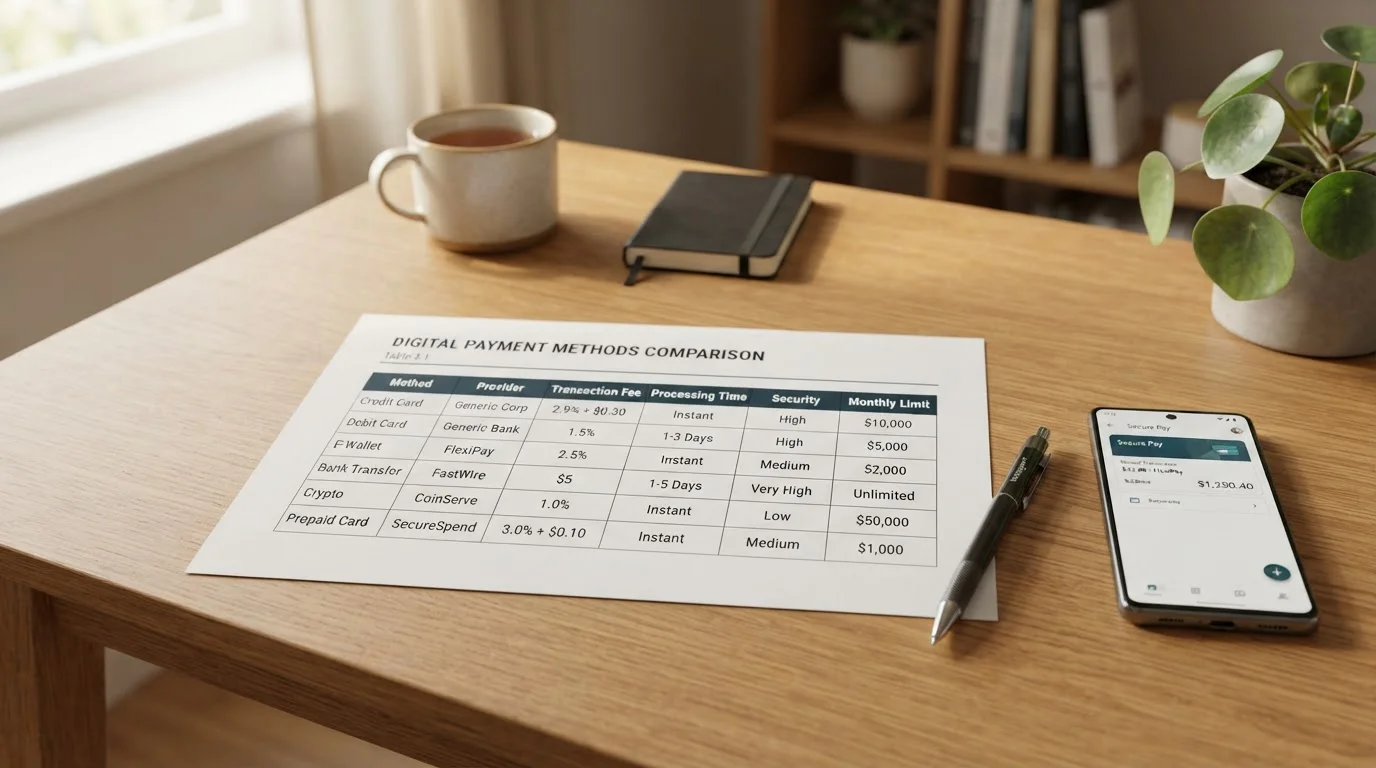
| Method | Deposit Speed | Withdrawal Speed | Withdrawal Support | Minimum Deposit | Bonus Eligibility | Key Limitation |
|---|---|---|---|---|---|---|
| Visa/Mastercard Debit | Instant | 1–3 working days | Yes | £5–£10 | Yes | Slower than e-wallets |
| PayPal | Instant | 35 min–24 hours | Yes | £5–£10 | Often yes | Some operator exclusions |
| Apple Pay | Instant | N/A | No | £5–£10 | Yes | Deposit-only |
| Google Pay | Instant | N/A | No | £5–£10 | Yes | Deposit-only |
| Revolut | Instant | 1–2 working days | Yes | £10 | Yes | Processed as debit card |
| Trustly | Instant | 50 min–1 hour | Yes | £10 | Rarely excluded | Requires online banking |
| Skrill | Instant | 45 min–24 hours | Yes | £10 | Frequently excluded | Bonus exclusion epidemic |
| Neteller | Instant | Instant–24 hours | Yes | £10 | Frequently excluded | Bonus exclusion epidemic |
| Paysafecard | Instant | N/A | No | £10 | Yes | Deposit-only, cash voucher |
| Boku (Phone Bill) | Instant | N/A | No | £10–£30 | Yes | £30/transaction, £400/month cap, deposit-only |
Can I still use credit cards at UK online casinos in 2026?
No. The UKGC banned credit cards for gambling on April 14, 2020, and that prohibition remains in force in 2026. All licensed operators must block credit card deposits, including e-wallet top-ups funded by credit cards. Debit cards, e-wallets linked to bank accounts or debit cards, bank transfers, and prepaid vouchers are the legal alternatives. The ban aimed to prevent gambling with borrowed money. You can still use credit cards outside gambling, but any UKGC-licensed casino will reject them at the cashier.

Debit Cards: The Universal Baseline
Visa and Mastercard debit cards are the fallback everyone accepts. Every UKGC-licensed casino processes them. Minimum deposits sit between £5 and £10 depending on the operator. Deposits clear instantly via 3D Secure 2.0 authentication—your bank app prompts biometric or PIN confirmation, funds land in your casino balance within seconds. Withdrawals reverse the journey: the operator processes the payout request, and your bank receives the credit in one to three working days. Testing at Casumo pushed that to one hour, an outlier proving faster timelines exist where operators prioritize card payouts.
Fees are rare from the card networks themselves. Operators occasionally add charges for card deposits, but competitive pressure keeps most at zero. Your issuing bank might flag gambling transactions for review, especially if they are large or sudden. That review can delay deposits briefly while the bank confirms the transaction is legitimate.
Security runs through multiple layers. 3D Secure 2.0 ties each transaction to biometric verification or a one-time code sent to your registered device. The card networks do not pass your full card number to the casino—tokenization substitutes a unique identifier that works once, for one merchant. If a breach happens on the casino side, your card details are not compromised. The FCA regulates UK card issuers, and the UKGC mandates that operators use FCA-authorized payment processors. That dual oversight puts debit cards among the most regulated methods available.
Visa Debit and Mastercard Debit at UK Casinos
Visa Inc. and Mastercard Inc. operate the global payment rails your UK bank taps into. Barclays, HSBC, Lloyds, NatWest, Santander—every major issuer offers Visa or Mastercard debit. The card you already carry works at every casino holding a UKGC license. No separate account, no app download, no intermediary service. Link the card in the cashier, authenticate through your bank, done.
The post-credit-ban landscape made debit cards the universal baseline. Operators could not rely on credit cards anymore, so they optimized debit card processing. Most now offer instant deposits with no fees and withdrawals within one to three working days. A handful push faster: Casumo demonstrated one-hour card payouts for verified accounts, though that speed is not standard industry-wide. The one-to-three-day window remains the realistic expectation for most brands.
Bonus eligibility is rock-solid. Debit cards qualify for every welcome offer, reload bonus, and cashback program. No operator excludes them—they are the reference category. If you want to claim a bonus without worrying whether your payment method kills it, debit cards deliver that certainty.
The limitation is speed. E-wallets process withdrawals in minutes to hours. Debit cards take days. If payout velocity matters more than universal acceptance, cards lose. If you value not juggling multiple accounts and apps, cards win.
What is the minimum deposit at UK online casinos?
The typical minimum deposit is £5 to £10 across most UKGC-licensed operators, regardless of payment method. Debit cards and e-wallets commonly set £5 or £10 as the floor. Apple Pay and Google Pay mirror that range. Trustly often requires £10. Boku (pay by phone) starts at £10 due to carrier billing mechanics, with a £30 transaction cap. Paysafecard unregistered vouchers max out at £50 per transaction, though registered accounts lift that limit. A few operators offer £1 minimums for debit cards, but £5 is the practical standard. If you are testing a casino or playing with a small bankroll, debit cards and PayPal offer the lowest entry points.

E-Wallets: Speed With a Bonus Catch
E-wallets inserted themselves between your bank and the casino. You fund the wallet from your bank account or debit card, then send money from the wallet to the operator. The casino sees the wallet transaction, not your underlying bank details. That privacy layer appeals to players who prefer operators not holding their card information. The speed advantage comes from automation: e-wallet payouts bypass traditional banking rails, processing through the wallet’s internal ledger before hitting your bank. That cuts withdrawal times from days to minutes.
PayPal, Skrill, and Neteller dominate UK casino cashiers. PayPal enjoys mainstream brand recognition and the broadest acceptance outside gambling. Skrill and Neteller grew up in iGaming, building infrastructure optimized for casino deposits and withdrawals from their founding in 1999 and 2001 respectively. All three deliver instant deposits and fast payouts, with testing showing sub-one-hour timelines at multiple operators.
The catch emerged between 2023 and 2025. Operators began excluding e-wallets from welcome bonuses en masse. By 2026, approximately 80 percent of UK casinos bar Skrill and Neteller from bonus eligibility. PayPal faces fewer exclusions but is not immune. The stated rationale: AML concerns and historical bonus abuse. A player could fund multiple e-wallet accounts from the same debit card, create multiple casino accounts, claim welcome offers on each, then consolidate winnings. Operators decided the simplest fix was blanket exclusion.
That exclusion is rarely disclosed upfront. It hides in bonus terms and conditions under “Excluded payment methods” or “E-wallets do not qualify.” You discover it after depositing. A £500 welcome match evaporates because you chose Skrill. The industry treats this as standard practice. If you care about bonuses, check the fine print before selecting an e-wallet. If you prioritize speed and privacy over promotional value, e-wallets still lead the field.
PayPal
PayPal Holdings Inc. is the most recognized name in digital payments. Founded in 1998, spun off from eBay in 2015, publicly traded on NASDAQ under PYPL. Over 400 million active accounts globally. In the UK, PayPal operates as an FCA-licensed e-money institution, regulated under the same framework as banks for payment services. Around 40 UKGC-licensed casinos accept PayPal, including major brands like bet365, Paddy Power, William Hill, and Ladbrokes.
Deposits are instant. Link your PayPal account in the casino cashier, log in via PayPal’s interface, authorize the transaction, funds land in your casino balance within seconds. Minimum deposits typically sit at £5 to £10. PayPal does not charge fees for casino transactions on its end; operators rarely add surcharges. Withdrawals reverse the flow: the operator sends funds to your PayPal balance, and you transfer from there to your linked bank account. Testing at Casumo found PayPal withdrawals clearing in 35 minutes, among the fastest timelines recorded. Other operators process PayPal payouts within a few hours to 24 hours, still significantly faster than debit card timelines.
Bonus eligibility is stronger with PayPal than with Skrill or Neteller. Many operators include PayPal in welcome offers, treating it closer to debit cards than traditional e-wallets. Exclusions exist—some brands lump PayPal with other wallets under blanket bans—but they are less universal. If you want e-wallet speed without automatic bonus disqualification, PayPal is the safer bet.
The privacy advantage is real. The casino processes a PayPal transaction ID, not your bank account or card number. If the operator suffers a data breach, your financial details are not in the compromised database. PayPal’s buyer and seller protections do not extend to gambling transactions, but the separation between your bank and the casino still adds a security layer. For players concerned about operators holding card information, PayPal delivers that buffer without the bonus exclusion epidemic hitting Skrill and Neteller.
Skrill
Skrill Limited, headquartered in London, is a subsidiary of Paysafe Group. Founded in 2001 as Moneybookers, rebranded Skrill in 2011, acquired by Optimal Payments (later Paysafe) in 2015. The company built its reputation in iGaming, and Skrill remains one of the most widely accepted e-wallets at UK casinos. FCA-regulated as an e-money institution. Instant deposits, fast withdrawals, privacy from operators seeing your bank details.
Deposits work identically to PayPal: link Skrill in the cashier, log into your Skrill account, authorize the transaction, funds appear immediately. Minimum deposits typically £10. No fees from Skrill for deposits; withdrawal fees depend on the operator and your Skrill account tier. Testing at Ladbrokes showed Skrill withdrawals clearing in 45 minutes, competitive with PayPal and faster than debit cards. Other operators process Skrill payouts within a few hours. The speed advantage over traditional banking is consistent.
The severe limitation is bonus exclusion. Skrill is now excluded from welcome bonuses at the majority of UK operators. Terms and conditions list “Skrill, Neteller” under ineligible methods. The shift happened between 2023 and 2025 as operators tightened AML controls and responded to historical bonus abuse patterns. Skrill’s iGaming roots became a liability: the same infrastructure that made it popular with players made it a tool for multi-accounting and bonus farming. Operators solved the problem with exclusion instead of better detection.
If you do not care about bonuses, Skrill delivers on its core promise: fast, private, widely accepted. If the welcome offer matters, Skrill kills it. Check the casino’s bonus terms before depositing. The exclusion is not negotiable once the deposit clears.
Neteller
Neteller Limited, founded in 1999 and headquartered in the Isle of Man, is Skrill’s sibling under Paysafe Group ownership. Optimal Payments acquired Neteller in 2004, years before buying Skrill. Neteller dominated online gambling payments in the 2000s, building infrastructure tailored to casino and poker deposits. FCA-regulated as an e-money institution. Instant deposits, fast payouts, the same privacy advantages as Skrill.
Functionality mirrors Skrill almost exactly. Link Neteller in the cashier, log in, authorize, funds land instantly. Minimum deposits typically £10. Withdrawals process in minutes to hours depending on the operator. The Paysafe ownership means Neteller and Skrill often appear as a pair in casino cashiers—both accepted, both excluded from bonuses under identical terms.
The bonus exclusion problem hits Neteller just as hard as Skrill. Same Paysafe Group ownership, same historical association with bonus abuse, same operator response. By 2026, Neteller is excluded from welcome offers at most UK casinos. The terms list “Neteller, Skrill” together. If Skrill is banned, Neteller is banned. If Skrill qualifies, Neteller usually qualifies. They move as a unit.
The practical difference between Neteller and Skrill is negligible for UK players in 2026. Both are fast, both are private, both kill bonuses. The choice comes down to which wallet you already use or prefer managing. If neither is in your existing workflow and bonus eligibility matters, PayPal or a debit card serves you better.
Why are Skrill and Neteller often excluded from casino bonuses?
Operators cite two reasons: AML compliance and bonus abuse. E-wallets allow a player to fund multiple wallet accounts from the same bank card or account, then use those wallets to deposit at a casino under different player accounts. Each account claims the welcome bonus. The player consolidates winnings, leaves low-value or busted accounts behind. Detecting this across e-wallet intermediaries is harder than tracking card numbers. Rather than invest in sophisticated detection, operators excluded the methods entirely. The exclusion trend accelerated from 2023 onward. By 2026, around 80 percent of UK casinos bar Skrill and Neteller from bonus eligibility. PayPal faces fewer exclusions, likely due to its broader mainstream use outside gambling and stricter account verification. If a bonus matters, avoid Skrill and Neteller.
Is PayPal safer than using a debit card at online casinos?
Both are safe under UK regulation, but they offer different security models. Debit cards are regulated by the FCA at the issuing bank level and protected by 3D Secure 2.0 authentication. PayPal is an FCA-licensed e-money institution. The key difference is information exposure: a debit card transaction passes your card details to the operator’s payment processor (tokenized, but still tied to your card), while PayPal shares only a transaction ID. If the casino’s processor suffers a breach, your bank details are not in the PayPal data. PayPal also adds a layer of dispute resolution, though its buyer and seller protections do not cover gambling. For privacy-conscious players, PayPal reduces the operator’s access to your financial identity. For regulatory protection, both are FCA-supervised and equally secure at the authorization level. Choose based on whether you value the privacy layer over direct bank-card simplicity.
Mobile Payments: Tap and Play
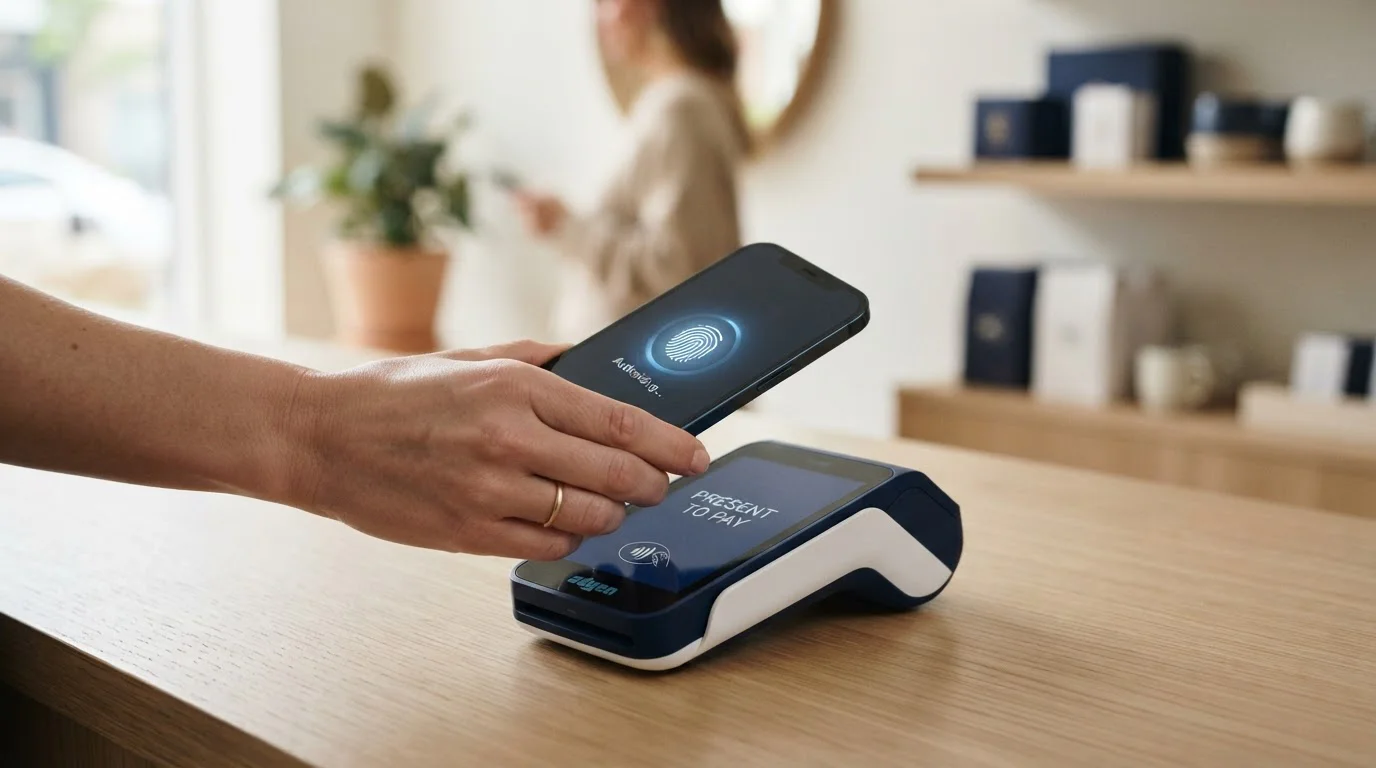
Mobile payments brought biometric authentication to casino deposits. Apple Pay and Google Pay turned your phone into a tokenized card terminal—tap, authorize via Face ID or fingerprint, funds land instantly. No typing card numbers into cashier forms. No memorizing CVV codes. The phone holds tokenized credentials tied to your underlying Visa or Mastercard debit card, and the transaction flows through those rails as a standard card payment. Security tightens: the token is device-specific and transaction-specific, useless if intercepted.
Revolut entered the UK market as app-based fintech banking, issuing Visa and Mastercard debit cards that casinos process as standard card transactions. The distinction from wallets matters: Revolut does not intermediate funds, it is the card issuer. Your Revolut card works anywhere Visa or Mastercard debit is accepted, including UKGC casinos. The app adds budgeting tools, spending limits, and a built-in gambling block for responsible gambling users.
Boku took a different path. Instead of card or wallet, Boku bills your mobile carrier—EE, Vodafone, O2, Three. The deposit appears on your phone bill or deducts from prepay credit. No bank account required. The catch is hard limits: £30 per transaction, £400 per month, and no withdrawal support. Carrier billing only flows one way. If you deposit £30 via Boku and win £100, those winnings leave via bank transfer, debit card, or e-wallet.
The common thread is convenience. Mobile payments optimize for speed and ease at the deposit stage. Withdrawals either mirror your linked debit card (Apple Pay, Google Pay) or require a separate method (Boku). That asymmetry shapes when mobile payments make sense. If you want one-tap deposits and do not mind withdrawals routing to your card or another method, mobile payments deliver. If you need symmetry—deposit and withdraw through the same channel—e-wallets or Trustly fit better.
Apple Pay
Apple Inc., headquartered in Cupertino, California, launched Apple Pay in 2014 and brought it to the UK in 2015. The service integrates into iOS devices: iPhone 6 and later, Apple Watch, iPads with Touch ID or Face ID. You add your Visa or Mastercard debit card to the Wallet app. Apple tokenizes that card, generating a device-specific number that replaces your actual card number in transactions. When you deposit at a casino, the operator processes a tokenized Visa or Mastercard debit transaction. Your bank sees it as a card payment. The casino never receives your real card number.
Acceptance at UK casinos is broad. BoyleSports, William Hill, Highbet, Betway, 888 Casino, and Sky Vegas are among the operators supporting Apple Pay deposits. Minimum deposits typically range from £5 to £10. Transaction limits stretch up to £5,000 depending on the operator and your card issuer’s policies. Deposits are instant: tap the Apple Pay button in the cashier, authenticate via Face ID or Touch ID, funds land in your balance within seconds.
Withdrawals do not go to Apple Pay directly. The payout routes to your linked Visa or Mastercard debit card. From the casino’s perspective, they are sending funds to the card behind your Apple Pay token. The timeline follows standard card withdrawals: one to three working days. Apple Pay simplifies the deposit, not the payout.
Bonus eligibility is strong. Casinos treat Apple Pay as a card-backed method, not an e-wallet. Welcome offers almost always include Apple Pay deposits. The tokenized transaction still traces back to a Visa or Mastercard debit card, which operators trust. If you want biometric convenience without losing the bonus, Apple Pay delivers.
The limitation is iOS exclusivity. Android users cannot access Apple Pay. Google Pay fills that gap on the Android side, but Apple Pay remains locked to Apple’s ecosystem. If you use iPhone or Apple Watch for casino play, Apple Pay is the smoothest deposit method available. If you use Android or desktop, it is irrelevant.
Google Pay
Google LLC (a subsidiary of Alphabet Inc.), headquartered in Mountain View, California, launched Android Pay in 2015 and rebranded it Google Pay in 2018. The service operates across Android devices and Chrome browsers. You add your Visa or Mastercard debit card to Google Pay, and Google tokenizes it the same way Apple does. Casino transactions process as tokenized card payments. Your bank sees a debit card transaction, the operator receives a one-time token, your real card number stays private.
Global adoption is massive: 820 million users across 45 countries, with 9 percent of UK shops accepting Google Pay by 2026. Casino acceptance lags slightly behind Apple Pay but is expanding. Major UKGC operators increasingly support Google Pay deposits. Minimum deposits match the £5 to £10 range. Deposits are instant: tap the button, authenticate via fingerprint or PIN, done.
Withdrawals route to your linked debit card, mirroring Apple Pay’s behavior. The payout does not go “to Google Pay,” it goes to the Visa or Mastercard debit card behind the token. Timeline: one to three working days, standard for card withdrawals. Google Pay streamlines the deposit, not the cashout.
Bonus eligibility follows Apple Pay’s pattern. Operators classify Google Pay as card-backed, so welcome bonuses typically include it. The tokenized payment still represents a debit card transaction, which casinos trust. No widespread exclusions. If you are on Android and want biometric tap-to-pay without forfeiting the bonus, Google Pay is the equivalent to Apple Pay on iOS.
The Android integration is the selling point. iPhone users cannot install Google Pay. Apple Pay dominates iOS, Google Pay dominates Android. If your phone runs Android and the casino supports Google Pay, it is the fastest way to deposit. If you use multiple devices or desktop, the web version of Google Pay extends access beyond phones.
Revolut
Revolut Ltd, headquartered in London, started as an e-money institution in 2015 and received a UK banking license in 2026. That upgrade moved Revolut from the regulatory tier of prepaid services to full banking status under Prudential Regulation Authority (PRA) and FCA oversight. The company offers app-based multi-currency accounts, Visa and Mastercard debit cards, budgeting tools, virtual card generation, and spending controls.
At UKGC casinos, Revolut works as a standard debit card. You use your Revolut Visa or Mastercard in the cashier the same way you would use a Barclays or HSBC debit card. The transaction processes through Visa or Mastercard rails. The casino sees a debit card payment, not an e-wallet intermediate. Operators accepting Visa and Mastercard debit accept Revolut by default. Named brands include Mr Vegas, 10bet, SpinYoo, MrQ, and Queen Vegas, though acceptance is effectively universal wherever Visa and Mastercard debit work.
Deposits are instant. Minimum typically £10. No fees from Revolut’s side; operators rarely charge. Withdrawals process as card payouts: one to two working days on average. Faster than traditional debit cards at some operators, but still tied to banking timelines rather than e-wallet speeds. Testing suggests Revolut withdrawals land within one to two working days, competitive with the faster end of card processing.
Bonus eligibility is solid. Casinos treat Revolut as a debit card, not an e-wallet. Welcome offers include it. No exclusions tied to Revolut specifically. The distinction from PayPal, Skrill, or Neteller matters: Revolut is the issuer, not an intermediary. That classification protects bonus access.
Revolut’s built-in gambling block is a unique feature. Users can toggle it in the app to prevent gambling transactions entirely. The block is self-imposed and reversible, but it adds a friction layer for responsible gambling. If you want control over impulsive deposits, Revolut’s block is more immediate than waiting for GAMSTOP registration to propagate. The app also provides spending breakdowns, showing exactly how much you deposit at casinos monthly. That transparency helps budget-conscious players track habits in real time.
Boku (Pay by Phone)
Boku Inc., headquartered in San Francisco and publicly traded on NASDAQ under BOKU, operates as a mobile payment aggregator. The company partners with UK mobile carriers—EE, Vodafone, O2, Three—to enable carrier billing. Instead of linking a bank card or account, you charge deposits to your phone bill (contract customers) or deduct from prepay credit (pay-as-you-go customers). Your phone number is the payment method.
UKGC casinos supporting Boku include IvyCasino, Oreels, and Bet442 (operated by Betable Limited, UKGC license 23328). Those operators charge zero fees for Boku deposits. Other casinos add a 30p transaction fee. Minimum deposits typically £10. The hard cap is £30 per transaction, set by carrier policies and FCA regulation governing mobile billing. Monthly limits range from £400 across most UK carriers. You cannot deposit £100 in one go via Boku—you would need four separate £25 transactions, which few players bother with. Boku works for small, casual top-ups, not large bankroll funding.
Deposits are instant. Select Boku in the cashier, enter your mobile number, receive an SMS confirmation code, authorize, funds land immediately. The charge appears on your next phone bill (contract) or deducts instantly from your prepay balance (PAYG). No bank account required. No card verification. No KYC upload. The phone carrier handles authentication. For unbanked players or those wanting to keep gambling separate from bank statements, Boku offers that separation.
Withdrawals cannot use Boku. Carrier billing only flows one direction: from your phone bill to the merchant. AML regulations and technical infrastructure prevent casinos from sending funds back through carrier billing. If you deposit £30 via Boku and win £100, those winnings must exit via bank transfer, debit card, or e-wallet. You will need a second method verified before requesting a payout. That withdrawal asymmetry makes Boku a deposit-only method, functionally similar to Paysafecard in that regard.
Bonus eligibility is generally intact. Operators do not exclude Boku the way they exclude Skrill or Neteller. The phone-bill method reads as a payment type without the multi-accounting baggage e-wallets carry. If you deposit £10 via Boku to claim a welcome match, the bonus usually applies. Check the specific operator’s terms, but blanket Boku exclusions are rare.
The practical use case is narrow. Boku suits players making small deposits who either lack a bank card, want phone-bill consolidation for privacy or budgeting, or appreciate the hard monthly cap as spending control. The £30 transaction and £400 monthly limits make it unsuitable for regular medium-to-high-stakes play. If you are depositing £50 to £100 weekly, Boku forces multiple small transactions or becomes irrelevant. If you are testing a casino with £10 or topping up casually with £20, Boku streamlines that without needing a card.
Can I withdraw to Apple Pay or Google Pay at UK casinos?
No. Apple Pay and Google Pay deposits process as tokenized Visa or Mastercard debit transactions, but withdrawals return to the underlying card, not to the Apple Pay or Google Pay interface. When you request a payout, the casino sends funds to your linked debit card. The transaction appears in your bank account as a card credit, typically within one to three working days. You do not see the withdrawal in your Apple Pay or Google Pay transaction history as a direct payout. The tokenization works one way: smoothing deposits. Withdrawals revert to traditional card processing. If you want deposit and withdrawal through the same mobile interface, neither Apple Pay nor Google Pay offers that symmetry. E-wallets or Trustly provide two-way mobile transactions.
Can I deposit at UK casinos using my phone bill?
Yes, via Boku. Select Boku (or “Pay by Mobile” depending on the operator’s cashier label), enter your mobile number, authorize via SMS code, and the deposit charges to your phone bill (contract customers) or deducts from prepay credit (PAYG). Limits are £30 per transaction and £400 per month across most UK carriers (EE, Vodafone, O2, Three). Deposits are instant and do not require a bank card or account. Withdrawals cannot use phone billing—you need a separate method (debit card, e-wallet, bank transfer) to cash out. Boku suits small casual deposits but not larger bankroll funding. A few operators like IvyCasino, Oreels, and Bet442 charge zero fees; others add 30p per transaction. Bonus eligibility is usually intact, as operators do not exclude Boku the way they exclude e-wallets.
Bank Transfers: Trustly and Traditional
Bank transfers split into two generations. Traditional bank transfers move money between accounts over three to seven business days, requiring you to initiate the transfer through your bank’s interface and manually enter the casino’s sort code, account number, and reference. The casino waits for the funds to clear before crediting your balance. Withdrawals reverse the process, arriving in your account three to seven days later. The method is secure, universal, and slow.
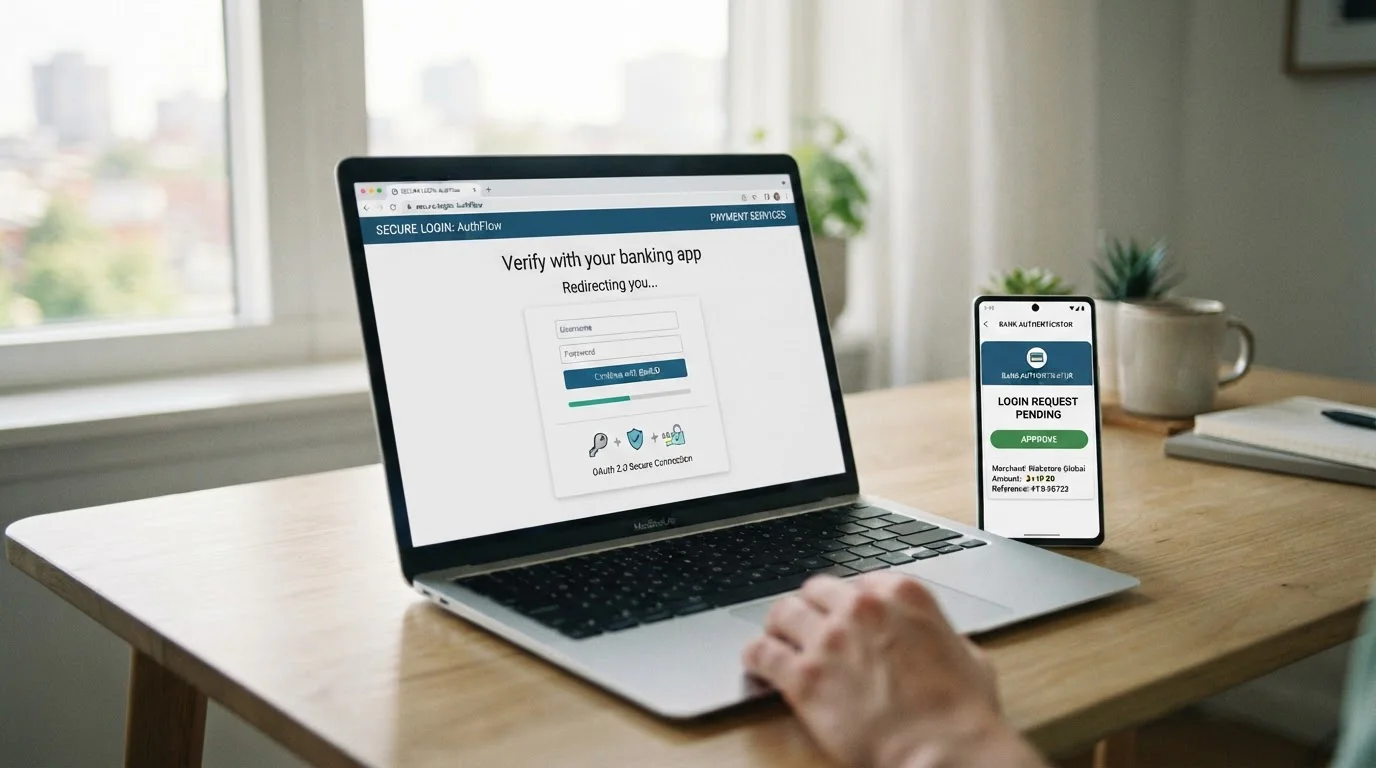
Trustly modernized bank transfers through open banking. Founded in Sweden in 2008, licensed as a Payment Initiation Service Provider (PISP) under PSD2, Trustly connects directly to your bank via OAuth 2.0 authentication. You select Trustly in the casino cashier, choose your bank from a list of 12,000 globally (all major UK banks included), log in through your bank’s app or online banking, authorize the transaction, done. No sort codes, no manual entry, no waiting for batch processing. Deposits are instant. Withdrawals return through the same channel in under an hour at top operators, bypassing the three-to-seven-day limbo.
The open banking framework is PSD2, the EU Payment Services Directive retained in UK law post-Brexit. It mandates that banks provide secure APIs for third-party payment initiators like Trustly. The authorization flow uses OAuth 2.0, a standard protocol ensuring Trustly never sees or stores your banking credentials. You authenticate directly with your bank. Trustly receives a one-time token to initiate the specific payment you authorized, nothing more. The casino receives funds directly from your bank account, no card or wallet intermediary.
Trustly’s appeal is speed without intermediaries. No e-wallet account to fund, no card to link, no separate app. Your bank account is the payment method. Deposits skip card network processing, landing instantly. Withdrawals at operators optimized for Trustly process in 50 minutes to one hour, competitive with e-wallets. Testing at Betway confirmed 50-minute Trustly payouts, among the fastest recorded. Operators without optimized Trustly flows still process faster than traditional bank transfers, typically within hours rather than days.
Bonus eligibility rarely suffers. Trustly transactions read as direct bank payments, not e-wallet intermediaries. Operators trust the traceability. Blanket exclusions are uncommon. If you want bank-direct funding without forfeiting welcome offers, Trustly delivers.
The limitation is online banking access. If your bank is not on Trustly’s list (rare among major UK banks, but possible for smaller building societies or fintech challengers), Trustly does not work. Traditional bank transfer remains the fallback, with all its slowness intact.
Trustly (Open Banking)
Trustly Group AB, headquartered in Stockholm, Sweden, founded 2008. The company holds a Payment Institution license and operates as a PISP under PSD2 across Europe and the UK. FCA-authorized in the UK. Trustly connects to over 12,000 banks globally, covering all major UK high-street banks and most challengers.
Deposits work through the cashier: select Trustly, pick your bank (Barclays, HSBC, Lloyds, NatWest, Santander, Monzo, Starling, etc.), authenticate via your bank’s online banking or app, authorize the payment, funds land instantly in your casino balance. Minimum deposits typically £10. No fees from Trustly; operators rarely add charges. The transaction appears in your bank statement as a payment to the casino or its processor, identical to any other merchant payment.
Withdrawals reverse the flow. The casino initiates a payout to your bank account via Trustly. You do not need to log in or re-authenticate for standard withdrawals—the operator uses your verified bank details from the deposit. Funds arrive in your bank account in 50 minutes to one hour at optimized operators like Betway. Other casinos process Trustly withdrawals within a few hours, still significantly faster than debit card or traditional bank transfer timelines. The speed advantage over cards is consistent: Trustly withdrawals clear same-day, card withdrawals take one to three working days.
No separate Trustly account is required. The company does not hold your funds or require registration. Each transaction is a direct payment instruction from your bank to the merchant or vice versa. Trustly is the technical plumbing enabling instant authorization, not a wallet storing balances. That simplicity avoids the account-management overhead of e-wallets.
Bonus eligibility is strong. Trustly payments are bank-direct, which operators classify closer to debit cards than e-wallets. Welcome offers typically include Trustly. Exclusions are rare. The regulatory traceability and lack of wallet intermediation make Trustly low-risk from an operator’s bonus-abuse perspective.
The open banking mechanics are worth understanding. PSD2 mandates strong customer authentication (SCA) for payment initiation. When you select Trustly and choose your bank, you authenticate with your bank directly—fingerprint, Face ID, PIN, or app-based confirmation. Trustly receives an OAuth 2.0 access token scoped to that single payment. The token cannot read your transaction history, transfer funds elsewhere, or persist beyond the authorized payment. Your banking credentials never pass through Trustly’s systems. If Trustly suffers a breach, your login details are not compromised because Trustly never had them. The authentication happens at your bank’s endpoints, Trustly only receives the result.
The regulatory framework ties Trustly to the same FCA oversight as banks for payment services. As a licensed PISP, Trustly must meet capital requirements, undergo audits, and comply with AML and data protection rules. That makes Trustly as regulated as the e-wallets and card processors casinos use, with the added advantage that your funds never sit in a Trustly account—they move bank-to-casino or casino-to-bank directly.
Traditional Bank Transfer
Traditional bank transfers still work, though few players choose them in 2026. The process requires logging into your bank, setting up a payment to the casino’s bank account (sort code and account number provided in the cashier), adding the unique reference code the casino gives you, and submitting the transfer. The casino waits for the funds to clear, which takes one to three business days for UK domestic transfers. Once cleared, your balance updates. Withdrawals reverse the journey: the casino sends funds to your bank account, arrival in three to seven business days.
No fees from the casino side in most cases; your bank may charge for outbound transfers depending on your account type. Minimum deposits vary, often higher than card or e-wallet minimums due to the manual overhead—£20 to £50 is common. The method is secure: funds move through the UK Faster Payments or BACS systems under FCA oversight. It is also the slowest option available. A traditional bank transfer withdrawal can take a full week from request to funds in hand.
The use case is niche in 2026. Players without cards, e-wallets, or Trustly access might use traditional transfers. Large deposits occasionally go this route to avoid card transaction limits, though Trustly handles large payments instantly and renders that rationale obsolete. Bonus eligibility is intact—operators do not exclude bank transfers. The timeline is the killer: if you can access any faster method, traditional bank transfer serves no advantage.
What is Trustly and how does open banking work for casino deposits?
Trustly is a Payment Initiation Service Provider licensed under PSD2, enabling instant bank-to-casino transfers through open banking. You select Trustly in the casino cashier, choose your bank, log in via your bank’s app or online banking, and authorize the payment. Trustly uses OAuth 2.0 to request a one-time payment initiation from your bank without storing your credentials. The transaction is instant—funds move directly from your bank account to the casino’s account with no intermediary holding your money. Open banking regulations (PSD2) mandate that UK banks provide secure APIs for licensed PISPs like Trustly, so all major UK banks support it. Deposits are instant, withdrawals process in 50 minutes to one hour at optimized operators, and you need no separate account. It is faster than cards, simpler than e-wallets, and rarely excluded from bonuses.
Do I need a separate account to use Trustly at UK casinos?
No. Trustly requires no registration or separate account. Each transaction is a direct payment instruction from your bank to the casino or vice versa. When you select Trustly in the cashier and choose your bank, you authenticate with your bank directly. Trustly receives authorization to initiate that specific payment and nothing more. Your funds never sit in a Trustly balance. The company acts as technical plumbing between your bank and the casino under PSD2 open banking rules. You need only a UK bank account at a bank on Trustly’s supported list (all major UK banks qualify). No app download, no signup, no wallet to fund. Trustly simplifies bank transfers to the point where they work like e-wallet transactions: select, authenticate, done.
Prepaid and Anonymous: Paysafecard
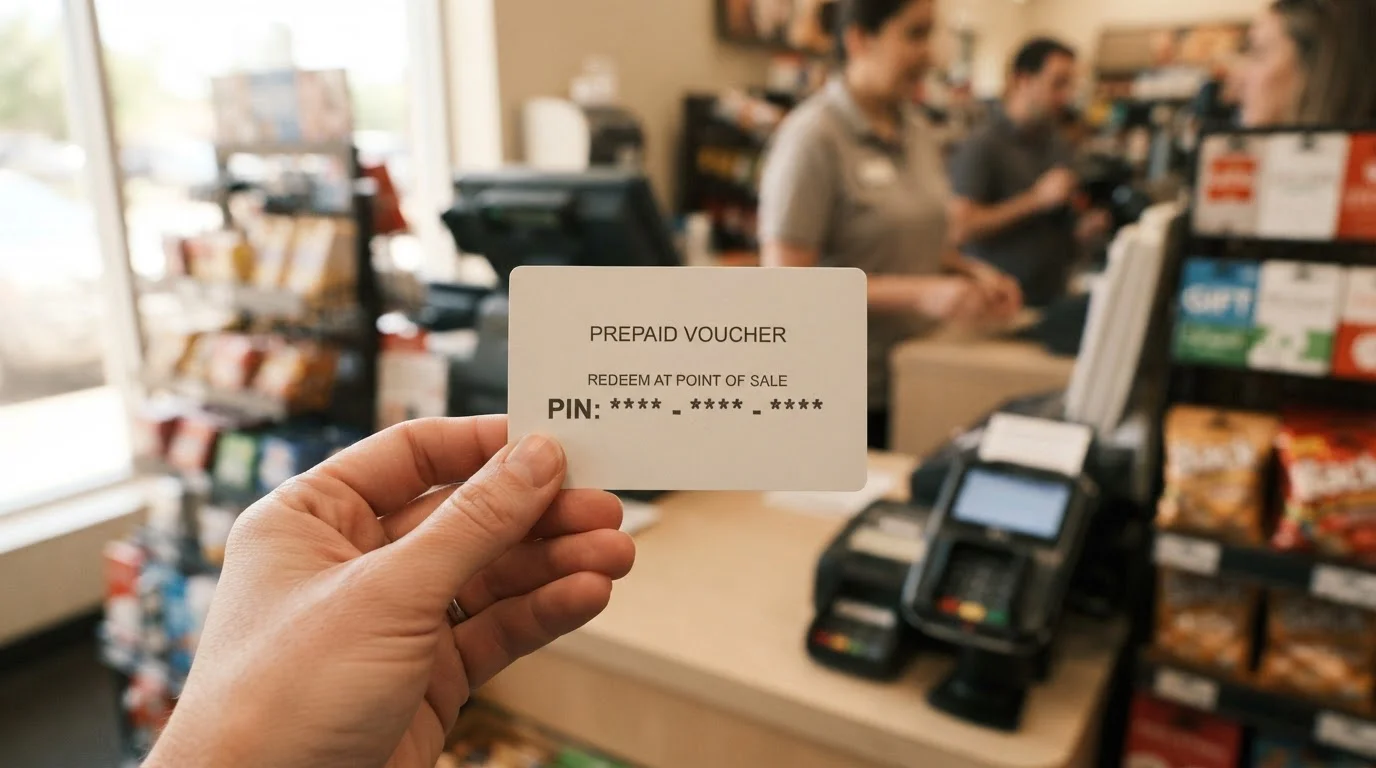
Paysafecard, a brand of Paysafe Group, offers a prepaid voucher system. You buy a 16-digit PIN code at retail locations—newsagents, petrol stations, convenience stores—using cash. The voucher holds a fixed value: £10, £25, £50, or higher denominations depending on availability. You redeem the PIN online at the casino cashier. The casino credits your balance, deducting the voucher’s value. No bank account, no card, no personal details tied to the transaction. The PIN is the payment method.
The anonymity appeals to players preferring cash-based gambling or lacking bank access. You hand cash to a retailer, receive a printed voucher, deposit at the casino without linking financial identity. The trade-off is withdrawal asymmetry. AML regulations prevent prepaid vouchers from receiving funds back. If you deposit £50 via Paysafecard and win £200, those winnings must exit via bank transfer, debit card, or e-wallet. You configure a separate withdrawal method and verify it before cashing out. Testing found only one UK operator (DaznBet) paying winnings back to Paysafecard, an outlier exception. Standard practice treats Paysafecard as deposit-only.
Over 650,000 UK players used prepaid cards for gambling in 2025, according to industry estimates. Paysafecard dominates that segment. Deposits are instant: enter the 16-digit code in the cashier, funds land immediately. Minimum deposits typically £10. Unregistered vouchers cap at £50 per transaction; registered Paysafecard accounts (requiring online signup with identity verification) lift that limit and allow combining multiple vouchers.
Bonus eligibility is usually intact. Operators do not exclude Paysafecard the way they exclude e-wallets. The voucher method lacks multi-account baggage, and the transaction is traceable to the PIN even if the buyer remains anonymous. Welcome offers typically include Paysafecard deposits. Check specific terms, but blanket exclusions are rare.
The limitation is convenience. You must physically visit a retailer to buy vouchers. If you run out of funds mid-session, you cannot reload instantly from your phone—you need another trip to the shop. That friction serves responsible gambling: the delay between deciding to deposit and actually depositing adds a cooling-off period. It also inconveniences players wanting seamless reloads. Paysafecard works for players valuing anonymity or budget control through fixed voucher amounts, and willing to accept deposit-only status and retail purchasing friction.
Paysafecard
Paysafecard operates under Paysafe Group, which also owns Skrill and Neteller. The company is FCA-regulated. Vouchers are sold through a retail network of over 650,000 locations across Europe, including thousands of UK outlets. You buy a voucher at a participating newsagent, petrol station, or convenience store. Denominations typically range from £10 to £100. Pay cash, receive a receipt with a 16-digit PIN, done.
Deposits at UKGC casinos work through the cashier: select Paysafecard, enter the 16-digit code, funds land instantly. Minimum deposits typically £10 matching the smallest voucher denomination. Unregistered use caps at £50 per transaction. If you register a Paysafecard account online (requires email, identity verification), you can combine multiple vouchers and transact higher amounts. Most casual users stick to unregistered vouchers for anonymity.
Withdrawals cannot use Paysafecard. The voucher system is one-way by design. AML regulations prevent anonymous prepaid instruments from receiving funds. When you request a withdrawal, the casino requires a verified alternative method—bank transfer, debit card, or e-wallet. You must upload ID documents and link a withdrawal method before the payout processes. The anonymity ends at cashout. If anonymity matters more than winnings, Paysafecard works for deposits and you accept that cashing out compromises it. If you want to collect winnings anonymously, no UKGC-licensed method offers that—KYC applies at withdrawal universally.
Bonus eligibility is generally strong. Operators include Paysafecard in welcome offers more often than e-wallets. The lack of multi-accounting risk (each voucher is a one-time PIN, harder to abuse than e-wallet accounts) and the traceability of PIN codes to retail purchase records reduce operator concerns. Check the specific casino’s terms, but Paysafecard exclusions are uncommon.
The budget-control advantage is real. Buying a £50 voucher caps your deposit at £50. You cannot impulsively reload beyond that without physically leaving to buy another voucher. The friction protects players prone to chasing losses. The same friction frustrates players wanting seamless bankroll management. The method works for small-stakes casual play or privacy-focused users, not for regular high-frequency gambling.
Niche E-Wallets and Alternative Options
Beyond the major e-wallets, a handful of niche options operate at select UK casinos. MuchBetter, MiFinity, ecoPayz, and AstroPay cover players seeking alternatives to PayPal, Skrill, and Neteller. Acceptance is narrower, limits vary, and bonus exclusions mirror the broader e-wallet trend. These wallets rarely offer advantages over mainstream options, but they fill gaps where specific operators or player preferences align.
MuchBetter is a mobile-focused e-wallet launched 2017, targeting the iGaming market. App-based deposits and withdrawals, instant processing. Accepted at a subset of UK casinos. Minimum deposits £10 typical. Bonus exclusions increasingly common as operators lump MuchBetter with other e-wallets. The selling point is mobile-first UX, but PayPal and debit cards with Apple Pay or Google Pay achieve the same goal with broader acceptance.
MiFinity (formerly Mifinity) offers e-wallet services plus a prepaid Mastercard. Instant deposits, fast withdrawals. Narrow acceptance at UK casinos. The prepaid card allows spending e-wallet balances outside gambling, which appeals to users consolidating funds. Bonus exclusions apply at many operators. Unless you already use MiFinity for other purposes, little reason to choose it over PayPal or Trustly.
ecoPayz (rebranded as Payz in 2023, though the old name persists) provides e-wallet services and a prepaid card. Founded 2000, FCA-licensed. Instant deposits, fast withdrawals. Acceptance at UK casinos has declined as operators consolidated around PayPal, Skrill, and Neteller. Bonus exclusions are common. The tiered account system (Silver, Gold, Platinum, VIP) unlocks higher limits but requires verification and balance maintenance. Complexity outweighs benefits for casual players.
AstroPay is a prepaid virtual card and e-wallet. Popular in Latin America, available in the UK. You buy AstroPay vouchers or fund the wallet, then use virtual card details for deposits. Instant deposits, limited withdrawal support (depends on casino integration). Narrow acceptance at UK casinos. Bonus exclusions apply. The method suits players in regions with limited banking options, less relevant in the UK where debit cards and mainstream e-wallets dominate.
| Name | Acceptance | Typical Limits | Notes |
|---|---|---|---|
| MuchBetter | Narrow (select operators) | £10–£1,000 | Mobile-first, bonus exclusions common |
| MiFinity | Narrow | £10–£5,000 | Prepaid card option, low UK adoption |
| ecoPayz/Payz | Declining | £10–£5,000 | Tiered accounts, widespread bonus exclusions |
| AstroPay | Limited | £10–£1,000 | Prepaid virtual card, niche use case in UK |
None of these niche wallets offer compelling advantages over PayPal, Trustly, or debit cards for UK players in 2026. They exist as fallbacks where mainstream methods fail or where a player already uses them for non-gambling purposes. Bonus exclusions, narrow acceptance, and added account-management overhead make them second-tier choices.
Speed Comparison: Real Withdrawal Times by Method
Marketing language smooths timelines into “instant” and “fast,” erasing the gap between methods. Testing across named UK operators surfaces the real spread. PayPal cleared a withdrawal in 35 minutes at Casumo. Trustly paid in 50 minutes at Betway. Skrill processed in 45 minutes at Ladbrokes. Visa debit hit one hour at Casumo but stretched to three working days at standard-processing operators. Traditional bank transfers took four business days. The difference between the fastest and slowest methods is 96 hours of real-world waiting.
The factors shaping that spread: payment processor automation, operator approval workflows, banking-system batch processing, and KYC verification requirements. E-wallets and Trustly automate payouts through API calls—once the operator approves the withdrawal, the payment initiates immediately and clears within the wallet or open banking network in minutes. Debit cards route through Visa or Mastercard batch processing, which runs on business-day schedules. Banks credit accounts after clearing, adding hours to days depending on the issuing bank’s processing speed. Traditional bank transfers move through BACS or Faster Payments with multi-day settlement windows.
Operator approval is the wild card. Even with instant-capable methods, the casino’s internal approval queue adds time. Unverified accounts wait longer while KYC documents upload and review. Verified accounts with withdrawal history often bypass manual review, shortening approval to minutes. High-value payouts (£1,000+) trigger additional checks regardless of verification status. The method’s technical speed matters only after approval clears.
The table below compiles test data from named operators where withdrawal timelines were recorded and verified. These are best-case speeds for verified accounts. Add approval time (minutes to hours) for unverified or high-value withdrawals.
| Method | Operator | Withdrawal Time (Test Data) | Source |
|---|---|---|---|
| PayPal | Casumo | 35 minutes | Casino.org UK testing |
| Trustly | Betway | 50 minutes | Independent testing |
| Skrill | Ladbrokes | 45 minutes | Independent testing |
| Visa Debit | Casumo | 1 hour | Casino.org UK testing |
| Visa Debit | Standard operators | 1–3 working days | Industry standard |
| Mastercard Debit | Standard operators | 1–3 working days | Industry standard |
| Neteller | Various | Instant–24 hours | Operator reports |
| Bank Transfer (traditional) | Various | 3–7 business days | UK banking standard |
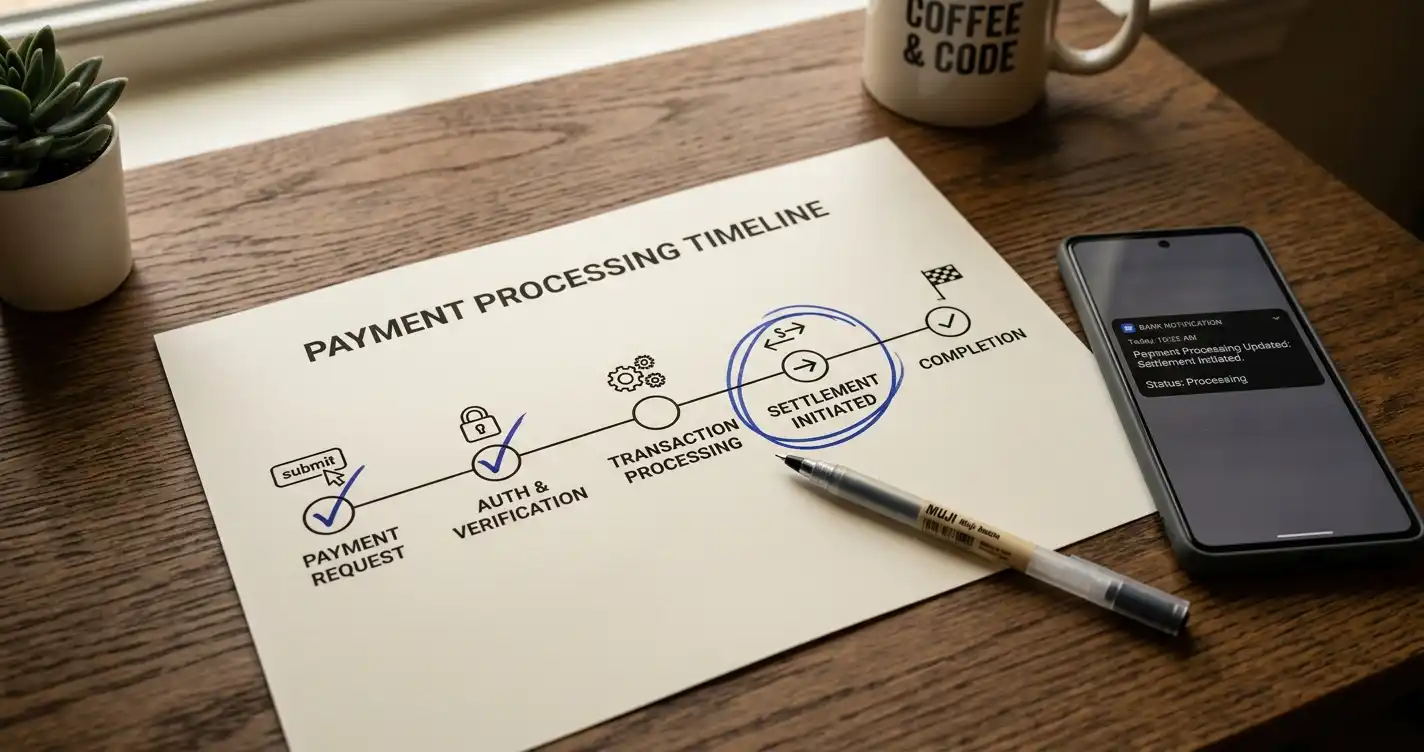
The fastest methods—PayPal, Trustly, Skrill—cluster under one hour when the operator supports optimized processing. Debit cards stretch to same-day at best, one to three working days typically. Traditional bank transfers lag by nearly a week. The choice of method directly determines how long your winnings sit in limbo.
Which payment method has the fastest withdrawals at UK casinos?
PayPal, Trustly, and Skrill deliver the fastest withdrawals at UKGC-licensed casinos in 2026. Testing shows PayPal clearing in 35 minutes at Casumo, Trustly in 50 minutes at Betway, and Skrill in 45 minutes at Ladbrokes. Those timelines assume a verified account with no pending KYC and an operator configured for fast payouts. Neteller processes similarly quickly, though bonus exclusions at most UK casinos make it less attractive. Debit cards are slower: one hour at optimized operators like Casumo, one to three working days at most brands. Apple Pay, Google Pay, Paysafecard, and Boku do not support withdrawals—payouts route to linked cards or alternative methods. If payout speed is your priority, PayPal or Trustly are the safest bets combining speed with broad acceptance and bonus eligibility.
How long do casino withdrawals take in the UK?
Withdrawal timelines at UKGC-licensed casinos range from 35 minutes to seven business days depending on the payment method and operator. E-wallets (PayPal, Skrill, Neteller) and Trustly process fastest: under one hour at top operators, up to 24 hours at slower ones. Debit cards (Visa, Mastercard) take one to three working days typically, though one-hour payouts exist at a few optimized casinos like Casumo. Traditional bank transfers stretch to three to seven business days. Operator approval adds time: unverified accounts or high-value withdrawals undergo manual review, delaying payouts by hours to days regardless of method. Verified accounts with withdrawal history often bypass review, shortening timelines. The method you choose determines the technical speed; your account status and withdrawal amount determine how long approval takes before that speed applies.
Choosing Your Method: A Decision Framework
The right payment method depends on what you prioritize. Speed, bonus eligibility, privacy, transaction limits, withdrawal support—no single method optimizes all factors simultaneously. The decision framework filters methods by priority, narrowing choices to those aligning with your specific needs.
If speed matters most: PayPal, Trustly, or Skrill. Withdrawals under one hour at optimized operators, instant deposits. PayPal carries broader bonus eligibility than Skrill. Trustly avoids e-wallet account management. Skrill is fastest when bonuses do not matter.
If bonus eligibility cannot be sacrificed: Debit cards (Visa, Mastercard), PayPal, Apple Pay, Google Pay, Trustly, Revolut, or Paysafecard. Avoid Skrill and Neteller—both are excluded from welcome offers at around 80 percent of UK casinos. Check the specific operator’s bonus terms for PayPal; most include it, but exclusions exist.
If privacy outweighs speed: Paysafecard for deposit-only anonymity via cash vouchers. E-wallets (PayPal, Skrill, Neteller) add a privacy layer by preventing the casino from seeing your bank details, but they require account registration with identity verification. Trustly and debit cards expose your bank or card to the operator’s payment processor. No UKGC-licensed method offers anonymous withdrawals—KYC applies universally at cashout.
If you want no separate accounts: Debit cards, Apple Pay, Google Pay, or Trustly. Debit cards use the card you already carry. Apple Pay and Google Pay tokenize that card through your phone. Trustly connects directly to your bank account. No wallet signup, no app download beyond your existing banking app.
If transaction limits constrain you: Avoid Boku (£30 per transaction, £400 per month). Avoid unregistered Paysafecard (£50 per transaction). Debit cards, e-wallets, Apple Pay, Google Pay, Trustly, and Revolut support deposits from £5 to £5,000+ depending on the operator and your card issuer or bank’s policies.
If you need two-way symmetry (same method deposits and withdraws): Debit cards, PayPal, Skrill, Neteller, Trustly, or Revolut. Avoid Apple Pay, Google Pay, Paysafecard, and Boku—all four are deposit-only, requiring a separate withdrawal method.
The matrix below maps priorities to recommended methods:
| Priority | Recommended Methods | Avoid |
|---|---|---|
| Fastest withdrawals | PayPal, Trustly, Skrill | Traditional bank transfer, debit cards (slower) |
| Bonus eligibility | Debit cards, PayPal, Apple Pay, Google Pay, Trustly, Revolut | Skrill, Neteller |
| Privacy/anonymity | Paysafecard (deposit), e-wallets (partial) | Debit cards, Trustly (bank-direct) |
| No extra accounts | Debit cards, Apple Pay, Google Pay, Trustly | E-wallets (require signup) |
| High transaction limits | Debit cards, PayPal, Trustly, Revolut, e-wallets | Boku, unregistered Paysafecard |
| Two-way support (deposit + withdrawal) | Debit cards, PayPal, Skrill, Neteller, Trustly, Revolut | Apple Pay, Google Pay, Paysafecard, Boku |
A player chasing the fastest payout picks PayPal or Trustly and sacrifices nothing—both qualify for bonuses, both process under an hour. A player prioritizing a £500 welcome match avoids Skrill and Neteller, choosing PayPal or a debit card instead. A privacy-focused player uses Paysafecard for deposits and accepts withdrawal via bank transfer once, then sticks to e-wallets for future transactions. A casual mobile-only player uses Apple Pay or Google Pay for deposits and links a debit card for withdrawals.
The worst mistake is choosing a method blind to its exclusions or limits, then discovering the bonus vanished or the £30 transaction cap makes bankroll funding a multi-step hassle. Read the operator’s cashier page and bonus terms before picking. The comparison table at the top of this guide flags every method’s limitations. Match those limitations against your priorities. The method that clears your filters is the right one.
Security, Regulation, and the Credit Card Ban
The UKGC enforces payment security at the operator level. Every licensed casino must use FCA-authorized payment processors. That dual oversight—gambling regulator and financial regulator—creates layered accountability. If a processor mishandles funds or violates AML rules, both the UKGC and FCA can sanction it. Players benefit from that regulatory overlap through mandated protections: segregated player funds, dispute resolution mechanisms, transaction traceability, and KYC enforcement.
The credit card ban, implemented April 14, 2020 under amendments to the UKGC’s License Conditions and Codes of Practice (LCCP 5.1), removed the highest-risk payment method. The logic was direct: credit cards enable gambling with borrowed money, amplifying harm for problem gamblers. A player could rack up thousands in credit card debt chasing losses, compounding financial distress. The ban forced players to gamble only with money they already had—debit cards drawing from checking accounts, e-wallets funded from bank accounts, bank transfers, prepaid vouchers.
Evaluation data from July 2024 showed the ban reduced credit card gambling, though substitution occurred. Some players shifted to overdrafts, personal loans, or other credit products. The harm reduction was partial, not absolute. The ban did eliminate the easiest path—one-click credit card deposits at the casino cashier. Any workaround required extra steps, adding friction that deterred impulsive high-risk gambling.
FCA regulation of payment processors means your debit card, e-wallet, or bank transfer moves through a licensed, audited, capital-backed intermediary. Processors must maintain client funds separate from operating capital, undergo regular financial audits, and comply with AML and data protection rules. If a processor fails, client funds are protected from insolvency claims. That separation does not exist for unlicensed offshore processors, a risk players face at non-UKGC casinos.
3D Secure 2.0 authenticates card transactions through biometric or device-based confirmation. Strong customer authentication under PSD2 applies the same principle to open banking payments. Every deposit you authorize ties to a device you control, verified through something you have (phone), something you know (PIN), or something you are (fingerprint, Face ID). That multi-factor authentication blocks most unauthorized transactions. If your card number leaks, an attacker cannot deposit without your phone and biometric.
Data breaches at casinos or processors expose transaction history and metadata, but tokenization limits financial damage. Your real card number is replaced with a token valid only for that merchant. A breach at the casino does not compromise your card for use elsewhere. E-wallets add another layer: the casino sees your PayPal or Skrill transaction ID, not your underlying bank details. Traditional bank transfers and Trustly expose your bank account to the casino’s processor, though regulatory oversight and encryption mitigate misuse risk.
The UKGC’s dispute resolution framework requires operators to handle payment disputes within eight weeks and escalate unresolved cases to the Independent Betting Adjudication Service (IBAS) or Alternative Dispute Resolution (ADR) entities. If a withdrawal is delayed, blocked, or denied without legitimate cause, you file a complaint through the operator’s process. Failure to resolve triggers ADR or UKGC enforcement. That recourse does not exist at unlicensed offshore casinos, where your only option is walking away.
Regulation ensures baseline security and recourse. The method you choose layers additional protections—e-wallets for privacy, tokenized mobile payments for device-specific authentication, open banking for credential-less transfers. No method is perfectly anonymous under UKGC rules: KYC applies at withdrawal universally. The security differences shape how much information the casino and its processor see, not whether they see enough to identify you. If anonymity is your goal, Paysafecard deposits preserve it until you cash out, at which point verification breaks it. If you want minimal data exposure, e-wallets reduce what the casino’s processor stores. If you want maximum regulatory protection, any FCA-approved method under UKGC oversight delivers that.
The credit card ban permanently altered the UK payment landscape. Debit became the baseline, e-wallets accelerated, open banking found a foothold. In 2026, no signs indicate the ban will lift. The regulatory direction runs toward tighter controls, not looser. Payment methods that survived are those compatible with gambling only the money you have, not the credit you can borrow.
Casino Deposit Methods UK 2026 — Compare Payment Options
Content created by the «casinopayexp» team