
Bitcoin Cash Casinos for UK Players: Verified Offshore Operators Compared 2026
 Available in US
UK Gambling Commission-licensed casinos don’t accept Bitcoin Cash. They can’t. The UKGC’s licensing framework requires every payment to flow through a method that provides a clear, traceable link to a real-world bank account—cryptocurrency, by design, doesn’t qualify. That regulatory prohibition leaves UK players who want to use BCH with one option: offshore operators licensed in jurisdictions like Curaçao or Anjouan.
This isn’t a grey area requiring creative interpretation. Sections 33 and 36 of the Gambling Act 2005 target operators who provide remote gambling facilities to UK customers without a UKGC licence—they face criminal liability. Players using those unlicensed offshore sites do not. No UK player has been prosecuted for gambling at an offshore casino. The legal risk sits entirely on the supply side, not with the person placing the bet.
That binary creates a tradeoff UK players need to understand before depositing. UKGC-licensed casinos come with GamStop self-exclusion, mandatory affordability checks, and the consumer protections built into the UK regulatory framework. Offshore BCH casinos operate outside that perimeter—no GamStop link, no UKGC oversight, and no recourse through UK regulators if something goes wrong. What you gain in payment method flexibility and faster withdrawals, you lose in regulatory backstop.
The practical question becomes: which offshore BCH casinos accept UK players, how do they compare operationally, and what should you verify before depositing? Not all offshore operators welcome UK customers. Cloudbet, BC.Game, 7Bit Casino, and Thrill explicitly block UK jurisdiction in their terms. Even Stake.com—frequently listed in BCH casino roundups—prohibits users located in or residing in the United Kingdom from using the service. A separate Stake Casino UK entity holds a UKGC licence, but that version doesn’t accept cryptocurrency.
This comparison focuses on the offshore BCH casinos that verifiably accept UK players in 2026, their operational differences, and the regulatory context you’re stepping into by using them.
Top Bitcoin Cash Casinos Accepting UK Players
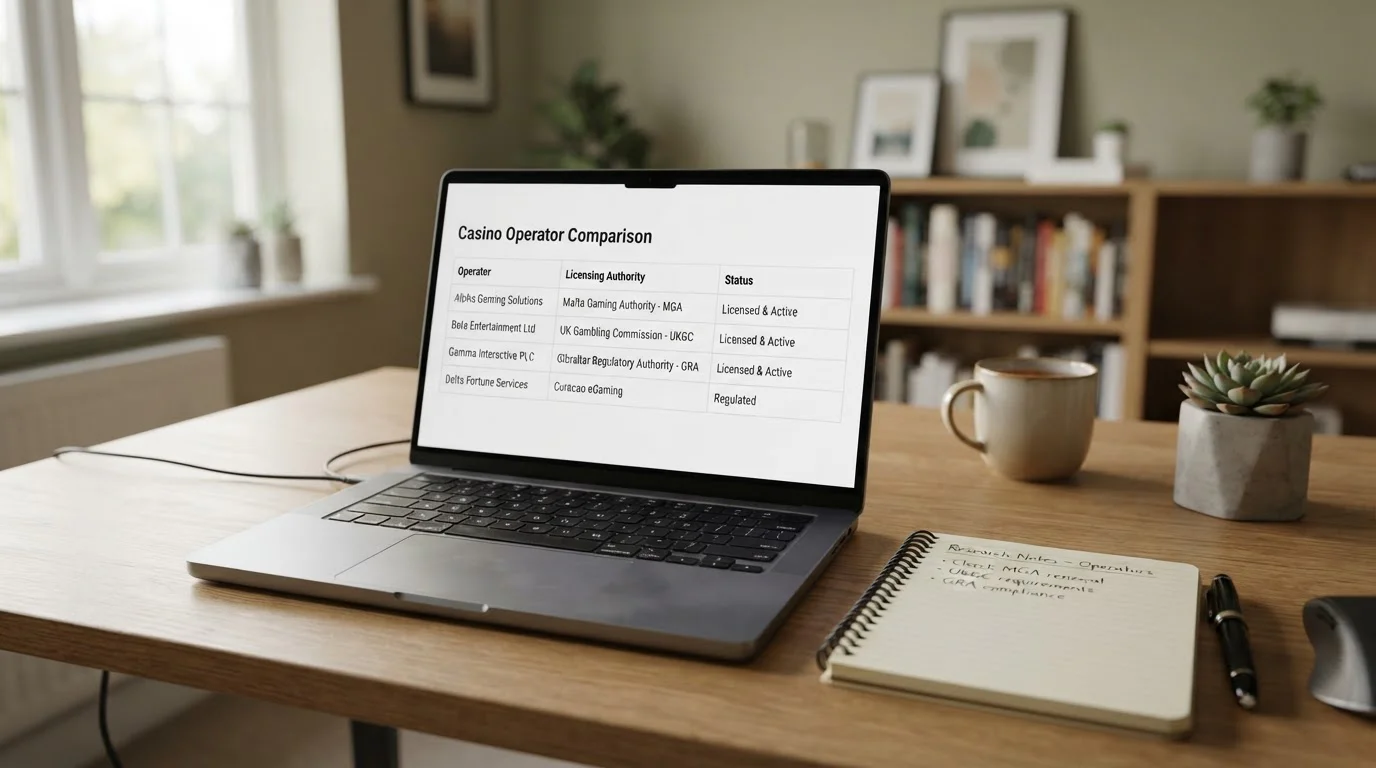
Four offshore operators accept UK players, support Bitcoin Cash deposits and withdrawals, and hold verifiable offshore licences: Bitcasino.io, mBit Casino, FortuneJack, and Wild.io. Each operates under Curaçao or Anjouan licensing, processes BCH natively, and clears withdrawals faster than traditional payment rails. The meaningful differences lie in withdrawal approval speed, game library size, KYC thresholds, and how long each has been operating.
| Operator | License | Withdrawal Speed | Minimum Deposit | Distinguishing Feature |
|---|---|---|---|---|
| Bitcasino.io | Curaçao | Under 5 minutes | ~0.0002 BCH | No BCH withdrawal limits, oldest operator (2014) |
| mBit Casino | Curaçao | 10–30 minutes | 0.0002 BTC equivalent | Consistent withdrawal window, BCH support since 2014 |
| FortuneJack | Anjouan ALSI-202411021-FI1 | Varies, no stated target | Standard | No-KYC threshold (1 BTC equivalent) |
| Wild.io | Anjouan (switched 2026) | Under 10 minutes | Standard | Largest game library (9,000+), sportsbook integrated |
The comparison table aggregates the operational parameters that differentiate these platforms. Withdrawal speed reflects typical processing after approval—blockchain confirmation adds another 10 to 30 minutes on top. Minimum deposits hover around $0.10 to $0.50 in BCH terms at 2026 prices, low enough that the coin’s fee advantage over Bitcoin becomes material even for casual deposits.
Which Bitcoin Cash casinos accept UK players in 2026?
Four verified offshore operators accept UK players and support Bitcoin Cash: Bitcasino.io, mBit Casino, FortuneJack, and Wild.io. All operate under Curaçao or Anjouan licences rather than UKGC authorisation. Stake.com, Cloudbet, BC.Game, 7Bit, and Thrill explicitly block UK jurisdiction.
Bitcasino.io
Launched in 2014, Bitcasino.io was among the first casinos built around cryptocurrency rather than fiat rails with crypto bolted on afterward. The platform operates under a Curaçao eGaming licence, holds funds in crypto natively without conversion, and has no stated withdrawal limit for Bitcoin Cash. That longevity matters less for nostalgia than for operational track record—over a decade without a major security incident or prolonged payout disputes gives the platform credibility that newer entrants lack.
The game library sits around 3,000 titles, sourced from Evolution Gaming and Pragmatic Play on the live dealer side, plus standard slot providers like NetEnt and Microgaming. Deposits credit instantly once the blockchain confirms. Withdrawals process in under five minutes on average, verified through independent 2026 testing. The platform doesn’t impose artificial withdrawal caps on BCH, so payout size depends entirely on your balance and the blockchain’s capacity to handle the transaction. Registration requires an email but no immediate identity check. KYC can be triggered at withdrawal if the platform flags unusual activity or large cashouts, but there’s no published threshold where verification becomes mandatory.
Bitcasino positions itself as crypto-native, so the interface assumes you’re comfortable with wallet addresses and blockchain confirmations. If you’re expecting hand-holding through the deposit process, you won’t find it—the casino expects you to arrive with a funded BCH wallet and know how to paste an address correctly. That’s either a feature or a drawback depending on your familiarity with cryptocurrency.
mBit Casino
mBit Casino launched the same year as Bitcasino, in 2014, and holds a Curaçao eGaming licence. The platform supports Bitcoin Cash alongside BTC, ETH, LTC, USDT, and Dogecoin, with a minimum deposit of 0.0002 BTC or equivalent—around $0.10 to $0.50 in BCH at 2026 market rates. What separates mBit from competitors is withdrawal consistency: independent testing in 2026 confirmed payouts processed in 10 to 30 minutes on average, approval included. That window is longer than Bitcasino’s sub-five-minute target but more predictable than platforms where approval can take several hours or land in a manual review queue.
The game library holds roughly 2,000 titles, lighter than Wild.io’s 9,000 but still covering slots, live dealer, and provably fair games. Evolution and Pragmatic Play handle live casino, with the usual roulette, blackjack, and baccarat tables. mBit’s BCH support dates to its launch, so the integration isn’t an afterthought—deposits and withdrawals run on the Bitcoin Cash network itself rather than wrapped tokens or side chains. The platform uses both CashAddr and legacy address formats; if you paste a legacy address starting with “1” into a deposit field expecting CashAddr, it converts automatically without throwing an error.
KYC isn’t required upfront, but the terms reserve the right to request identity documents at withdrawal. There’s no public threshold stating “under this amount, no verification,” so the trigger appears risk-based. Players report that withdrawals under $1,000 equivalent clear without ID checks, but that’s anecdotal rather than contractual. If you’re depositing four figures or more, expect the possibility of a document request before payout.
FortuneJack
FortuneJack has operated since 2014 under the name, though ownership transferred to PlayWave SRL more recently. The platform holds an Anjouan Gaming licence (ALSI-202411021-FI1), verified on the regulator’s public register and valid through November 2026. Anjouan licensing is less common than Curaçao in the offshore casino space, which makes FortuneJack slightly harder to benchmark against the dominant Curaçao cohort. The functional difference for players is minimal—both frameworks provide a licensing entity, dispute resolution structure, and regulatory oversight, but neither approaches UKGC stringency.
The 2,500-game library includes slots, live dealer, and an unusually large selection of provably fair titles. BCH deposits and withdrawals run natively on the Bitcoin Cash network. What sets FortuneJack apart operationally is the published KYC threshold: no identity verification required for withdrawals under 1 BTC equivalent. That’s roughly £60,000 at 2026 BTC prices, translated to BCH at prevailing exchange rates. Above that threshold, or if the platform flags activity as unusual, verification becomes mandatory. Below it, you can register with an email, deposit, play, and withdraw without submitting a passport scan or utility bill.
That threshold makes FortuneJack the most anonymous-friendly option among the four UK-accessible operators. “Anonymous” carries caveats—the platform still logs IP addresses, transaction hashes are public on-chain, and the terms allow KYC requests at the platform’s discretion regardless of amount. The threshold is a ceiling, not a guarantee. But for players prioritising minimal identity exposure, FortuneJack offers the highest confirmed limit before verification becomes unavoidable.
Withdrawal speed at FortuneJack varies more than at Bitcasino or mBit. Some payouts clear in under an hour; others sit in “pending” for several hours before approval. The inconsistency appears linked to manual review rather than blockchain congestion, since BCH confirmation times remain stable. If speed matters more than anonymity, Bitcasino or Wild.io edge ahead.
Wild.io
Wild.io launched in 2022, making it the newest operator in this comparison by nearly a decade. The platform originally operated under a Curaçao licence but switched to Anjouan regulation in 2026. That jurisdictional shift is worth noting—operators don’t typically change licensing without reason, and the move suggests either Anjouan offered more favourable terms or Curaçao imposed conditions Wild.io preferred to avoid. For players, the functional impact is negligible; both licences sit outside UKGC oversight.
What Wild.io offers that the older operators don’t is scale: 9,000 games, the largest library among UK-accessible BCH casinos. That count includes slots, live dealer, provably fair, and a fully integrated sportsbook. If you want to move between casino games and sports betting without switching platforms, Wild.io is the only option in this group. The game selection spans dozens of providers, with Evolution and Pragmatic Play anchoring live dealer and mainstream studios like NetEnt, Play’n GO, and Microgaming filling the slots catalogue.
Withdrawals process in under 10 minutes on average, sitting between Bitcasino’s sub-five-minute target and mBit’s 10-to-30-minute window. Deposits credit after one to three blockchain confirmations, typically 10 to 30 minutes depending on network activity. The platform uses a single-wallet system, so your BCH balance appears as a unified total rather than segregated by game type or bonus status. That simplifies tracking but means bonus wagering requirements apply to your entire balance until cleared.
Wild.io earned an 8.3 High Safety Index rating from Casino Guru in 2026, reflecting a clean operational history despite its youth. The platform hasn’t been operating long enough to weather a major regulatory challenge or payout dispute at scale, so its long-term reliability remains less proven than Bitcasino or mBit. But two years without serious incidents, combined with verified licensing and transparent terms, places it among the more trustworthy recent entrants.
KYC at Wild.io follows the risk-based model—no upfront verification required, but the platform can request identity documents at any time. There’s no published threshold, so expect the possibility of a document check before large withdrawals. Players report that payouts under £500 equivalent clear without ID requests, but that’s anecdotal, not contractual.
Why UKGC-Licensed Casinos Don’t Accept Bitcoin Cash

The UK Gambling Commission’s licensing framework treats payment methods as a consumer protection mechanism, not just a transaction rail. Every payment flowing through a UKGC-licensed operator must link to a verified identity and a traceable bank account. That requirement serves multiple regulatory goals: it enables affordability checks, supports anti-money laundering compliance, and ensures that funds can be traced if a dispute arises or if the operator needs to reverse a transaction.
Cryptocurrency undermines all three. A Bitcoin Cash transaction settles peer-to-peer on a public blockchain without intermediary verification. The wallet address receiving funds doesn’t inherently tie to a passport, utility bill, or bank account. Transactions are irreversible by design—once BCH moves from one address to another, no regulator, no casino, and no third party can reverse it. That immutability is cryptocurrency’s defining feature and the reason it’s incompatible with UKGC requirements.
The prohibition isn’t written as “cryptocurrency is banned.” The UKGC’s licence conditions state that payments must be “capable of being verified and traced,” which functionally excludes crypto. No UKGC-licensed operator has found a way to meet that standard while accepting Bitcoin Cash, Bitcoin, Ethereum, or any other decentralised cryptocurrency. Operators who want to serve UK players under UKGC authorisation are forced to exclude crypto from their cashier entirely.
That leaves UK players with a binary choice. UKGC-licensed casinos offer regulatory oversight, GamStop self-exclusion, and dispute resolution through the UK framework, but they accept only traditional payment methods—cards, bank transfers, e-wallets like PayPal or Skrill. Offshore casinos accept Bitcoin Cash and process withdrawals faster, but they operate outside UKGC jurisdiction, don’t enforce GamStop, and provide no recourse through UK regulators if something goes wrong.
Why don’t UK-licensed casinos accept Bitcoin Cash?
UKGC licensing rules require every payment to be traceable to a verified identity and a real-world bank account. Bitcoin Cash transactions settle peer-to-peer on a public blockchain without intermediary verification, and they’re irreversible by design. That structure makes BCH incompatible with UKGC requirements, so licensed operators exclude it.
Are Bitcoin Cash casinos legal for UK players?
Using offshore Bitcoin Cash casinos isn’t illegal for UK players. Sections 33 and 36 of the Gambling Act 2005 make it an offence for operators to provide gambling services to UK customers without a UKGC licence, but no equivalent provision targets players. UK players using offshore casinos operate outside UKGC consumer protections but commit no criminal offence.
The player-side legal status is clear, but the regulatory tradeoff isn’t trivial. UKGC-licensed operators must comply with responsible gambling measures, enforce GamStop self-exclusion, and maintain segregated player funds. Offshore casinos operate under Curaçao or Anjouan rules, which impose lighter obligations. If an offshore operator collapses, delays payouts, or refuses withdrawal without cause, your recourse is limited to the offshore regulator’s dispute process—UK courts won’t intervene to enforce a ruling against an operator outside UKGC jurisdiction.
That doesn’t mean offshore BCH casinos are inherently unsafe. Bitcasino.io, mBit, FortuneJack, and Wild.io have operated for years without major scandals, hold verifiable licences, and maintain operational transparency. But the regulatory backstop that UKGC licensing provides—mandatory audits, capital adequacy requirements, enforceable consumer protections—doesn’t exist in the offshore context. You’re relying on the operator’s reputation and the offshore regulator’s oversight, not UK law.
Bitcoin Cash vs Bitcoin: What’s Different for Casino Use
Bitcoin Cash forked from Bitcoin in 2017 over a block size dispute. Bitcoin capped block size at 1 megabyte to prioritise decentralisation and security; Bitcoin Cash raised it to 32 megabytes to prioritise transaction throughput and lower fees. That structural difference creates practical consequences for casino deposits and withdrawals: Bitcoin Cash transactions cost cents regardless of amount, while Bitcoin fees fluctuate with network congestion and can reach several dollars during peak periods.
Both cryptocurrencies target roughly 10-minute block times, so confirmation speed is comparable. The fee gap drives the casino advantage. A £10 deposit via Bitcoin might cost £2 in network fees during congestion, eating 20% of the deposit before you’ve placed a bet. The same deposit via Bitcoin Cash costs a fraction of a penny. That fee structure makes BCH more practical for small deposits and frequent withdrawals, where Bitcoin’s fee overhead becomes material.
Security profiles differ as well. Bitcoin’s smaller block size and higher mining difficulty make it more expensive to attack the network. Bitcoin Cash’s larger blocks and lower hashrate make 51% attacks theoretically cheaper, though still prohibitively expensive in practice. For casino transactions, where deposits and withdrawals settle after multiple confirmations, the security difference is negligible—both networks provide sufficient protection against double-spending.
Adoption is where the gap widens. Bitcoin is accepted at thousands of merchants, supported by every major exchange, and treated as the default cryptocurrency by most platforms. Bitcoin Cash acceptance is narrower. Among crypto casinos, BCH support is common—most operators built for Bitcoin can integrate Bitcoin Cash with minimal additional work, since the underlying code is similar. Outside gambling, BCH adoption lags significantly.
That adoption gap affects liquidity. If you win big at a BCH casino and want to cash out to fiat, you’ll need to convert BCH to GBP through an exchange. Bitcoin offers deeper liquidity and tighter spreads on every major exchange; Bitcoin Cash trades with wider spreads and lower volume. The difference might cost you 0.5% to 1% in slippage on a large cashout, depending on the exchange and market conditions.
What’s the difference between Bitcoin and Bitcoin Cash for casino gambling?
Bitcoin Cash offers lower transaction fees (cents vs pounds during Bitcoin congestion) and comparable confirmation times (both ~10 minutes). Bitcoin provides deeper liquidity, wider adoption, and stronger network security. For casino deposits and withdrawals, BCH’s fee advantage makes it more practical for small transactions; Bitcoin’s liquidity advantage matters more for large cashouts.
Transaction Fees and Speed
Bitcoin processes roughly 7 transactions per second due to its 1-megabyte block size limit. Bitcoin Cash expanded block capacity to 32 megabytes, allowing over 100 transactions per second. That throughput difference doesn’t change confirmation times—both networks produce a block every 10 minutes on average—but it dramatically reduces fee competition.
When Bitcoin’s mempool fills with pending transactions, users bid higher fees to get their transactions included in the next block. During the 2021 bull market, average Bitcoin transaction fees spiked above $50. Bitcoin Cash’s larger blocks mean the mempool rarely fills, so fee competition stays minimal. BCH transaction fees have remained below $0.01 on average since the fork, even during periods of heavy network activity.
The structural differences between the two networks map directly onto casino use:
| Attribute | Bitcoin Cash | Bitcoin |
|---|---|---|
| Block size | 32 MB | 1 MB |
| Throughput | 100+ transactions/sec | ~7 transactions/sec |
| Typical network fee | Under $0.01 | £1–£5 during congestion |
| Average block time | ~10 minutes | ~10 minutes |
| Exchange liquidity | Lower, wider spreads | Deeper, tighter spreads |
For casino deposits, that fee structure means a £50 deposit via Bitcoin might cost £1 to £3 in network fees during moderate congestion, while the same deposit via Bitcoin Cash costs a fraction of a penny. Withdrawals follow the same pattern. If you’re making multiple small deposits or cashing out frequently, Bitcoin’s fee overhead adds up. Bitcoin Cash eliminates that friction.
Confirmation requirements vary by casino. Most platforms credit BCH deposits after one to three confirmations, typically 10 to 30 minutes depending on when your transaction enters the next block. Bitcoin casinos impose similar confirmation thresholds, so settlement speed is comparable. The difference lies in cost, not time.
How long do BCH deposits and withdrawals take at online casinos?
BCH deposits credit after one to three blockchain confirmations, typically 10 to 30 minutes. Withdrawals depend on casino approval speed (instant to 24 hours) plus blockchain confirmation (~10–30 minutes). Bitcasino.io processes withdrawals in under 5 minutes; mBit averages 10–30 minutes; Wild.io clears payouts in under 10 minutes.
Address Formats: CashAddr vs Legacy
Bitcoin Cash uses two address formats: CashAddr and legacy. Both point to the same wallet—sending BCH to either format delivers funds to the same destination. The distinction exists to prevent users from accidentally sending Bitcoin Cash to a Bitcoin address or vice versa, which would result in lost funds.
CashAddr addresses start with “bitcoincash:” followed by a string beginning with “q” or “p”. Example: bitcoincash:qpplh0vyfn67cupcmhq4g2dt3s50rlarmclu9vnndt. Legacy addresses look identical to Bitcoin addresses and start with “1” or “3”. Example: 1A1zP1eP5QGefi2DMPTfTL5SLmv7DivfNa.
Most modern BCH wallets default to CashAddr, but many still support legacy for backward compatibility. When depositing to a casino, the format you need depends on what the casino’s cashier expects. Some platforms display only CashAddr addresses; others show legacy. Pasting the wrong format into a deposit field can trigger an error, though many wallets and platforms now convert automatically.
If you paste a CashAddr address into a wallet expecting legacy, most wallets recognise the format and convert it. The reverse works as well—paste a legacy address into a field expecting CashAddr, and the platform typically converts it. But not all casinos and wallets handle conversion gracefully. If a deposit fails with an “invalid address” error, the format mismatch is the likely cause.
You can convert between formats using any BCH wallet or a conversion tool. The underlying public-private keypair doesn’t change—only the string representation. Both formats are secure and functionally identical. The format matters only for compatibility with the platform you’re interacting with.
What is the CashAddr format and do I need to use it?
CashAddr is Bitcoin Cash’s modern address format, starting with “bitcoincash:q…” or “bitcoincash:p…”. Legacy addresses start with “1” or “3” and look like Bitcoin addresses. Both point to the same wallet. Use whichever format the casino’s deposit field expects; most platforms convert automatically if you paste the wrong one.
How Bitcoin Cash Casino Deposits and Withdrawals Work
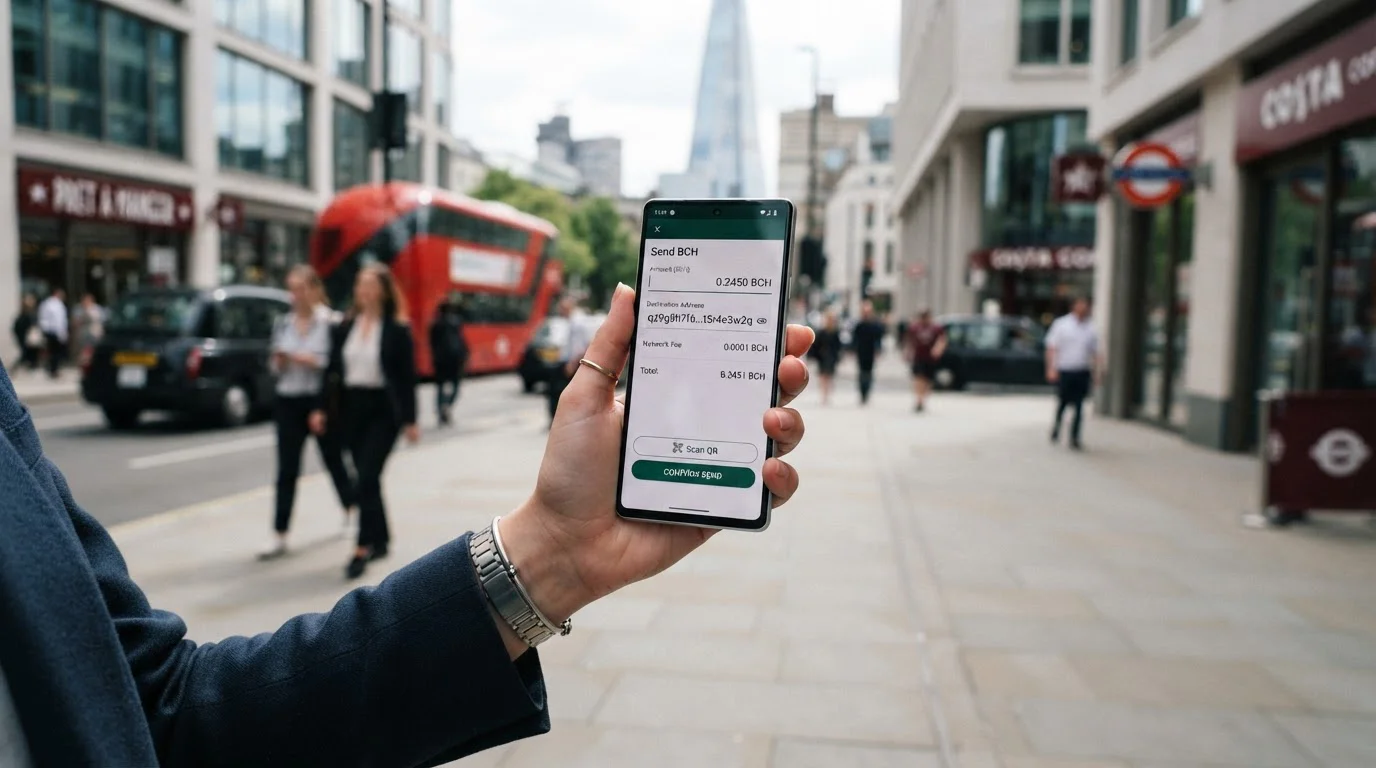
Depositing Bitcoin Cash to a casino involves generating a deposit address from the casino’s cashier, sending BCH from your wallet to that address, and waiting for blockchain confirmations before the funds credit to your casino balance. Withdrawals reverse the process: you request a payout from the casino, provide your BCH wallet address, and the casino broadcasts a transaction to the blockchain.
The blockchain is public, so every transaction is visible to anyone. You can paste your transaction ID into a block explorer like Blockchair or Blockchain.com to watch confirmations accumulate in real time. Each confirmation represents another block added to the chain after your transaction, reducing the risk of a double-spend to near zero.
Casino approval speed varies significantly between operators and is often the bottleneck. Bitcasino.io processes most withdrawals in under five minutes; mBit averages 10 to 30 minutes; FortuneJack can take several hours. That approval window is independent of blockchain speed—it’s how long the casino takes to verify your withdrawal request, check for bonus abuse or duplicate accounts, and broadcast the transaction. Once the casino broadcasts the transaction to the network, blockchain confirmation takes another 10 to 30 minutes.
Some casinos impose withdrawal limits per transaction or per day. Bitcasino.io has no stated limit for BCH; mBit and Wild.io apply standard thresholds tied to VIP status or account history. FortuneJack’s 1 BTC no-KYC threshold effectively caps anonymous withdrawals—above that amount, you’ll need to verify identity before the payout clears.
Making Your First BCH Deposit
Navigate to the casino’s cashier or deposit page and select Bitcoin Cash as the payment method. The platform generates a deposit address unique to your account. Copy that address—don’t retype it manually, since a single wrong character sends funds to a different wallet and BCH transactions are irreversible.
Open your BCH wallet, paste the deposit address into the recipient field, enter the amount, and broadcast the transaction. The wallet calculates the network fee automatically, typically a fraction of a penny. Once you broadcast, the transaction enters the Bitcoin Cash mempool and waits for inclusion in the next block.
Most casinos require one to three confirmations before crediting your balance. The first confirmation arrives when a miner includes your transaction in a block, roughly 10 minutes on average. Subsequent confirmations add another 10 minutes each. Some platforms credit deposits after one confirmation; others wait for three. Check the casino’s deposit page for the specific threshold.
While waiting for confirmations, you can track the transaction in a block explorer. Paste your transaction ID (provided by your wallet after broadcasting) into Blockchair or Blockchain.com. The explorer shows how many confirmations have accumulated and estimates time remaining until the next confirmation.
If your deposit doesn’t credit after the stated confirmation threshold, contact the casino’s support with your transaction ID. The blockchain is public and immutable, so the casino can verify that funds arrived at the correct address. Delays beyond the confirmation window typically indicate a system issue on the casino’s side, not a blockchain problem.
Withdrawal Process and Approval Times
Requesting a withdrawal involves navigating to the cashier, selecting Bitcoin Cash, entering your BCH wallet address, and specifying the amount. The casino checks that you’ve met any wagering requirements tied to bonuses or promotions. If your account is flagged for manual review—due to large withdrawal size, unusual activity, or account age—the request enters a queue for human approval.
Approval times separate the fast operators from the slow. Bitcasino.io clears most requests in under five minutes. mBit averages 10 to 30 minutes. Wild.io processes payouts in under 10 minutes. FortuneJack varies more widely, with some withdrawals clearing in under an hour and others sitting in “pending” for several hours.
Once approved, the casino broadcasts your withdrawal transaction to the Bitcoin Cash network. Blockchain confirmation takes another 10 to 30 minutes, depending on when your transaction enters the next block. The funds appear in your wallet after one confirmation, though some wallets wait for additional confirmations before marking the balance as spendable.
KYC requests can delay withdrawals further. If the casino flags your account for identity verification, the withdrawal won’t process until you submit documents—typically a passport or driver’s licence and a utility bill showing your address. Verification turnaround varies by operator, from a few hours to several days. FortuneJack’s 1 BTC no-KYC threshold allows anonymous withdrawals below that level, but above it, verification becomes mandatory.
How much does it cost to deposit and withdraw with Bitcoin Cash?
Bitcoin Cash network fees cost a fraction of a penny per transaction, regardless of amount. Casinos don’t typically charge additional fees for BCH deposits or withdrawals. Total cost for a deposit or withdrawal is under $0.01 in network fees, far lower than Bitcoin’s fee range (£1–£5 during moderate congestion).
Confirmation Requirements
Bitcoin Cash’s 10-minute block time means each confirmation takes roughly 10 minutes on average. Variance exists—sometimes a block arrives in 2 minutes, sometimes 20, but the average holds. Most casinos require one to three confirmations before crediting deposits.
One confirmation provides sufficient protection against double-spending for small transactions. The computational cost of reversing a confirmed transaction is prohibitively expensive, so casinos comfortable with minimal risk credit deposits after one block. Three confirmations raise the cost of a double-spend exponentially, making it economically irrational even for large transactions.
Withdrawals typically broadcast without additional confirmations beyond the casino’s approval. Once the casino sends your payout transaction to the network, it confirms within 10 to 30 minutes. Some wallets wait for multiple confirmations before marking the balance as spendable, but that’s a wallet-side setting, not a casino requirement.
The distinction between casino approval time and blockchain confirmation time matters. If a casino advertises “instant withdrawals,” they mean instant approval—the blockchain still needs 10 to 30 minutes to confirm. If an operator takes two hours to process a payout, that’s approval delay, not blockchain congestion. Bitcoin Cash confirmations remain fast and predictable; casino processing speed varies widely.
Games, Providers and Provably Fair Technology
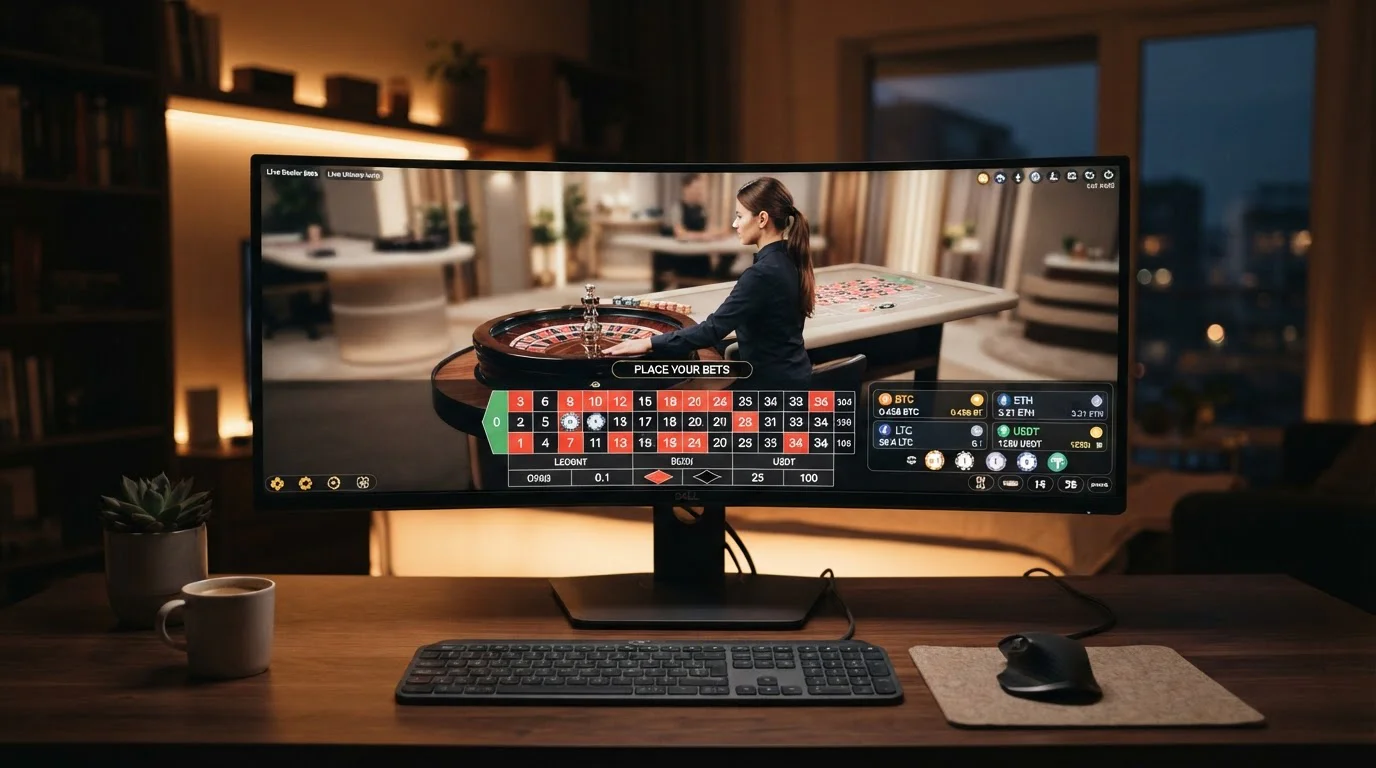
Bitcoin Cash casinos offer the same game selection as traditional online casinos, sourced from the same providers. Evolution Gaming dominates live dealer with over 140 tables covering blackjack, roulette, baccarat, and game shows like Crazy Time. Pragmatic Play Live contributes another 50 tables, including branded titles like Sweet Bonanza Candyland and Mega Wheel. Slots come from mainstream studios—NetEnt, Play’n GO, Microgaming, Pragmatic Play—with the same RTP and mechanics as their fiat-casino equivalents.
What separates crypto casinos from traditional operators isn’t game selection but provably fair technology. Provably fair games let players cryptographically verify that outcomes weren’t manipulated after the bet was placed. Before a game round starts, the casino generates a random server seed and hashes it using SHA-256. The casino shows you that hash before you play. You provide a client seed, or the platform generates one for you. The server seed and client seed combine to determine the game outcome.
The hash commits the casino to a specific server seed before you place your bet. After the round ends, the casino reveals the actual server seed. You can verify that it matches the hash shown earlier. If the casino had changed the outcome after your bet, the revealed seed wouldn’t match the original hash. That cryptographic proof removes the need to trust the casino’s random number generator—you can independently verify fairness on every round.
Not all games support provably fair verification. Live dealer games rely on physical cards, dice, and roulette wheels, so cryptographic verification doesn’t apply. Slots from traditional providers like NetEnt or Pragmatic Play use proprietary RNG systems audited by third parties but not provably fair in the cryptographic sense. Provably fair games are typically casino originals—dice, coin flips, crash, plinko—built in-house specifically for crypto platforms.
Live Dealer Games with Bitcoin Cash
Evolution Gaming and Pragmatic Play Live are both fully available at BCH casinos. Deposits and withdrawals use Bitcoin Cash, but the games themselves are identical to those at fiat casinos—same dealers, same tables, same rules. Evolution’s portfolio includes standard blackjack and roulette variants, plus game shows like Monopoly Live and Lightning Roulette. Pragmatic Play Live offers Mega Wheel, Sweet Bonanza Candyland, and Speed Baccarat.
Betting limits vary by table. Standard blackjack tables start at £1 per hand; VIP tables run into the thousands. Roulette minimum bets range from £0.10 to £1 depending on the table. BCH’s low transaction fees make small bets more economical than they would be with Bitcoin—a £5 deposit loses 20% to Bitcoin network fees during congestion, while the same deposit via BCH costs a fraction of a penny.
Live dealer games settle in real time. You place a bet, the dealer runs the round, and your balance updates immediately based on the outcome. There’s no blockchain confirmation delay during gameplay—only deposits and withdrawals interact with the Bitcoin Cash network. Once your balance is credited, you’re playing with a casino-internal ledger, not broadcasting every bet to the blockchain.
Slots and Game Providers
Bitcasino.io, mBit, FortuneJack, and Wild.io all pull slots from the same mainstream providers. NetEnt contributes Starburst, Gonzo’s Quest, and Dead or Alive. Pragmatic Play offers Wolf Gold, Sweet Bonanza, and The Dog House. Play’n GO provides Book of Dead, Reactoonz, and Moon Princess. Microgaming, Yggdrasil, and Betsoft fill out the catalogue with hundreds of additional titles.
Game counts vary significantly. Wild.io’s 9,000-game library is the largest among UK-accessible BCH casinos, though that figure includes table games, live dealer, and sportsbook options alongside slots. Bitcasino.io holds around 3,000 games; mBit and FortuneJack sit closer to 2,000 to 2,500. The actual playable difference is smaller than those figures suggest—most catalogues overlap heavily, with the same 500 to 1,000 popular titles appearing across all platforms.
RTP percentages on slots are identical to fiat-casino versions. Book of Dead pays 96.21% whether you’re betting GBP or BCH. Gonzo’s Quest sits at 95.97%. Starburst pays 96.09%. The cryptocurrency doesn’t change the game’s maths. What changes is transaction cost—depositing £50 via Bitcoin during congestion might cost £2 in fees, while BCH costs under a penny. That fee difference affects bankroll more than RTP variance on any individual slot.
Are Bitcoin Cash casino games provably fair?
Some are. Provably fair games use cryptographic verification to prove outcomes weren’t manipulated after your bet. Casino-original titles like dice, crash, and plinko typically support verification. Slots from traditional providers (NetEnt, Pragmatic Play) use audited RNG systems but aren’t provably fair. Live dealer games rely on physical randomness and can’t be cryptographically verified.
Provably Fair Verification
Provably fair systems rely on hash functions, which convert input data into a fixed-length string. Changing a single character in the input produces a completely different hash. SHA-256 is the standard hash function used across crypto casinos—it’s the same algorithm securing Bitcoin and Bitcoin Cash blockchains.
Before a game round, the casino generates a server seed—a random string of characters—and hashes it with SHA-256. The casino shows you that hash but not the seed itself. You provide your own client seed, which you can set manually or let the platform generate randomly. The game outcome is determined by combining the server seed and client seed.
After the round ends, the casino reveals the server seed. You can hash it yourself using any SHA-256 tool and verify that the result matches the hash shown before the round. If the hashes match, the casino committed to that server seed before you played, proving they didn’t manipulate the outcome after seeing your bet.
Most crypto casinos include a built-in verification tool on the game page. You input the server seed, client seed, and nonce (round number), and the tool calculates the expected outcome. If it matches what happened in the game, the round was fair. If it doesn’t match, the casino cheated—though that’s never been documented at any reputable platform, since the fraud would be immediately detectable and destroy the operator’s reputation.
This verification process applies only to games where the casino controls the outcome generation. Live dealer games use physical cards and roulette wheels, so there’s nothing to hash and verify. Slots from external providers run on those providers’ servers, not the casino’s, so the casino can’t provide a server seed for verification. Provably fair games are limited to casino-original titles where the platform generates outcomes internally.
Bitcoin Cash Casino Bonuses and Wagering Requirements
Crypto casino bonuses follow the same structure as fiat-casino promotions: deposit match percentages, free spins, and cashback offers. What changes is eligibility. Many bonuses exclude cryptocurrency deposits or apply different wagering requirements to crypto players. A 100% deposit match advertised on the homepage might only apply to card or bank deposits, with BCH deposits receiving a smaller match or no bonus at all.
Wagering requirements at BCH casinos typically range from 40x to 60x the bonus amount. A £500 bonus at 40x wagering requires £20,000 in total bets before you can withdraw. That figure applies to the bonus amount, not the deposit—some casinos calculate requirements on deposit plus bonus, effectively doubling the threshold. Check the terms before claiming.
Most platforms also require you to wager your deposit at least once, even if you don’t claim a bonus. That 1x deposit wagering is an anti-money laundering measure—it prevents users from depositing BCH, immediately withdrawing without playing, and using the casino as a cryptocurrency mixer. If you deposit £100, you need to place £100 in bets before requesting a withdrawal, regardless of whether you won or lost.
What are typical bonus wagering requirements at BCH casinos?
Bitcoin Cash casino bonuses typically carry 40x to 60x wagering requirements on the bonus amount. A £500 bonus at 40x requires £20,000 in bets before withdrawal. Most platforms also require 1x deposit wagering even without a bonus, as an anti-money laundering measure.
No-wagering bonuses exist but remain rare in the BCH casino space. Platforms like Winz.io and GameGram offer promotions without rollover requirements, though neither verifiably accepts UK players as of 2026. Among the four UK-accessible BCH casinos in this comparison, standard wagering applies to all bonuses. If you’re allergic to rollover requirements, skip the welcome offer and deposit without claiming—you’ll avoid wagering but also forfeit the match.
Bonus terms often restrict game eligibility. Slots typically contribute 100% toward wagering, while table games contribute 10% to 20% or are excluded entirely. A £10 blackjack bet might count as £1 or £2 toward rollover, making it 5 to 10 times slower to clear the bonus compared to slots. Live dealer games frequently fall into the same restricted category. If you plan to play blackjack or roulette exclusively, bonuses become uneconomical—the wagering requirement inflates by a factor of five or more.
Maximum bet limits apply during bonus wagering. Most platforms cap bets at £5 or equivalent while clearing a bonus. Placing a larger bet can void the bonus and any winnings tied to it, even if you didn’t know about the restriction. Check the terms before claiming, and stick to the stated maximum—casinos enforce this rule strictly.
Cashback and rakeback programs offer an alternative to deposit bonuses. Some operators return a percentage of losses or total wagering as a rebate, credited weekly or monthly. Rakeback percentages range from 5% to 25%, depending on VIP tier and platform. Unlike deposit bonuses, cashback usually comes without wagering requirements—it’s credited as withdrawable funds. If you prefer simpler terms over larger headline figures, rakeback beats deposit matches.
Choosing the Right Bitcoin Cash Casino for Your Priorities
The four UK-accessible BCH casinos don’t rank linearly. Bitcasino.io, mBit, FortuneJack, and Wild.io each optimise for different priorities—speed, anonymity, game selection, or operational consistency. The “best” operator depends on what you value most.
If Speed Matters Most
Bitcasino.io processes withdrawals in under five minutes on average, the fastest among UK-accessible BCH casinos. Wild.io clears payouts in under 10 minutes. Both outpace mBit’s 10-to-30-minute window and FortuneJack’s variable approval time. If you want winnings in your wallet as quickly as possible, Bitcasino edges ahead.
Speed comes with tradeoffs. Bitcasino’s game library (3,000 titles) is smaller than Wild.io’s 9,000. The platform offers no sportsbook, so if you want to move between casino games and sports betting, you’ll need a second account elsewhere. But for players who prioritise payout speed above all else, Bitcasino’s track record—over a decade of operation without major delays—makes it the default choice.
If Anonymity Is Your Priority
FortuneJack’s 1 BTC equivalent no-KYC threshold is the highest among UK-accessible operators. Below that level—roughly £60,000 at 2026 BTC/BCH prices—you can deposit, play, and withdraw without submitting identity documents. Above it, or if the platform flags your account, verification becomes mandatory.
That threshold doesn’t guarantee anonymity. FortuneJack still logs IP addresses, and all BCH transactions are public on-chain. Anyone with your wallet address can trace deposits and withdrawals using a block explorer. “Anonymous” in the crypto casino context means “no passport scan required,” not “untraceable.” If you’re subject to sanctions, tax enforcement, or legal restrictions, assume your activity is discoverable.
Bitcasino, mBit, and Wild.io use risk-based KYC, triggering verification at the platform’s discretion. There’s no published threshold, so anonymity depends on how much you deposit, how often you withdraw, and whether the platform’s fraud detection flags your account. FortuneJack’s explicit 1 BTC limit provides more predictability than risk-based systems.
If Bonus Value Matters
Bonus terms across these four operators are comparable—40x to 60x wagering, similar maximum bet caps, equivalent game contribution percentages. None offers a standout advantage in headline bonus size or rollover requirements. If bonuses drive your choice, the functional difference between platforms is minimal.
Wild.io’s 9,000-game library gives it a slight edge if you plan to clear wagering across a wide variety of slots. More games mean more variance in RTP and volatility, letting you pick titles that match your risk tolerance. But the most popular slots—Book of Dead, Gonzo’s Quest, Starburst—appear at all four casinos, so the practical game selection difference matters less than the raw counts suggest.
If you’re chasing rakeback rather than deposit bonuses, check each platform’s VIP program. Some operators front-load rewards for new players; others reserve the best cashback percentages for high rollers. Rakeback terms change frequently, so verify the current offer before depositing rather than relying on outdated information.
KYC and Identity Verification at BCH Casinos
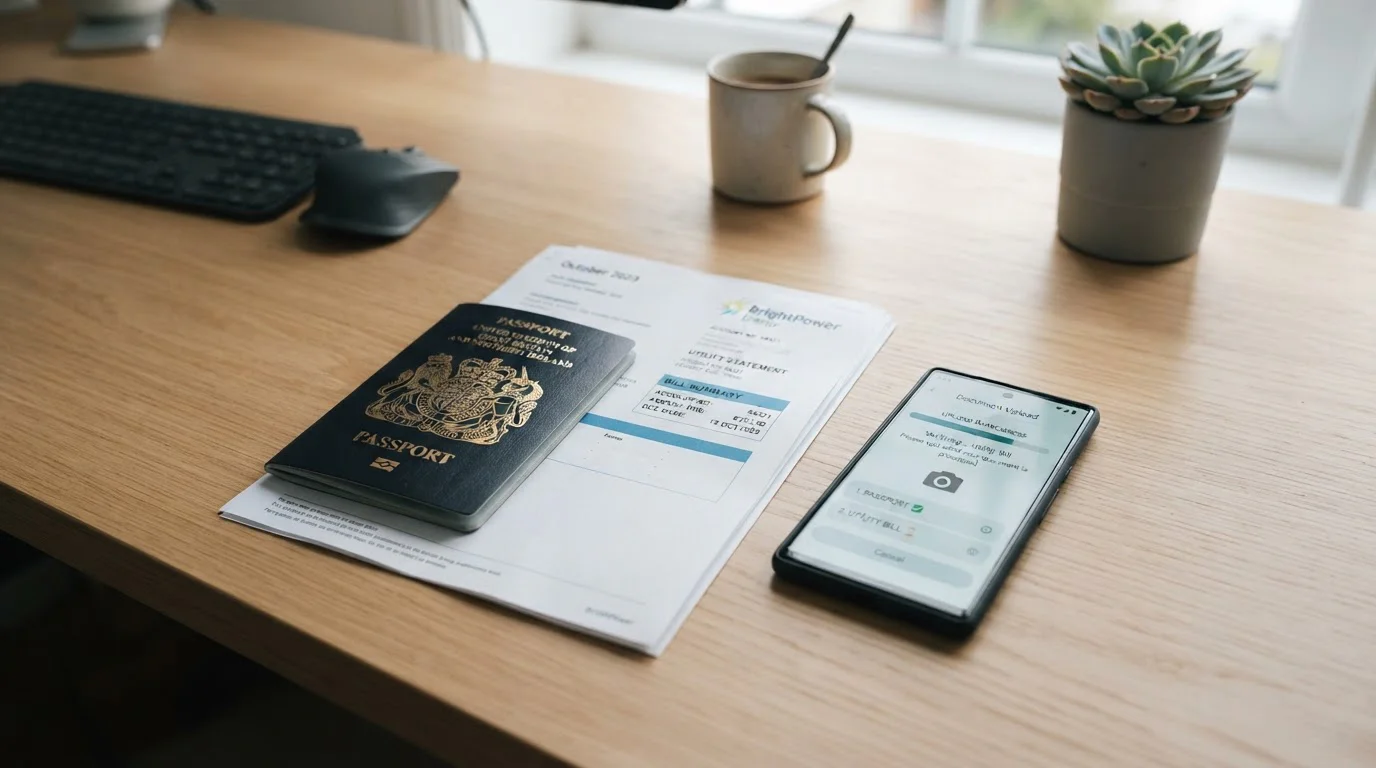
No UK-accessible BCH casino allows permanently anonymous play. All four operators—Bitcasino.io, mBit, FortuneJack, and Wild.io—reserve the right to request identity documents at any time. The difference lies in when verification becomes likely.
FortuneJack publishes a 1 BTC equivalent no-KYC threshold. Below that amount, withdrawals process without identity checks unless the platform flags unusual activity. Above it, verification is mandatory. The threshold gives you a concrete ceiling for anonymous play—£60,000 at 2026 exchange rates, adjusted for BCH price fluctuations.
Bitcasino, mBit, and Wild.io use risk-based triggers. There’s no published amount where KYC becomes unavoidable. Anecdotal reports suggest withdrawals under £500 to £1,000 clear without verification, but that’s not contractual. The casino can request documents at any withdrawal size if fraud detection flags your account—multiple accounts, bonus abuse, suspicious betting patterns, or large deposits from a new account all trigger manual review.
Do I need to verify my identity (KYC) to use a Bitcoin Cash casino?
Not upfront. All four UK-accessible BCH casinos allow registration with just an email. KYC is deferred to withdrawal, triggered by thresholds or risk flags. FortuneJack publishes a 1 BTC equivalent no-KYC limit; below that, verification is optional. Bitcasino, mBit, and Wild.io use risk-based triggers with no public threshold.
Verification turnaround varies by operator. Submit a passport or driver’s licence plus a utility bill showing your address. Bitcasino and Wild.io typically process documents within 24 hours. mBit averages one to two days. FortuneJack can take up to five days during peak periods. Your withdrawal remains frozen until verification completes, so submit documents immediately when requested rather than waiting for the deadline.
The documents need to be current—utility bills older than three months are rejected. Passports must be valid, not expired. Photos need to show all four corners of the document clearly, without glare or cropping. Poor image quality is the most common reason for rejection, extending verification time by several days while you resubmit.
If you’re flagged for enhanced due diligence—typically after large withdrawals or unusual activity—the casino may request additional documents: bank statements, proof of BCH wallet ownership, or a video selfie holding your ID. That level of scrutiny is rare for casual players but common for withdrawals above £10,000 equivalent.
Refusing to verify when requested means forfeiting your balance. The casino won’t process withdrawals until you comply, and terms typically allow the operator to close accounts that remain unverified beyond a deadline. If you’re uncomfortable submitting identity documents, stay below FortuneJack’s 1 BTC threshold or avoid BCH casinos entirely—there’s no offshore operator offering guaranteed anonymous withdrawals at any amount.
New Bitcoin Cash Casinos in 2026
The offshore BCH casino market matured years ago. Most operators accepting Bitcoin Cash launched between 2014 and 2018, during cryptocurrency’s first mainstream adoption wave. New entrants are rare, and few verifiably accept UK players.
Wild.io, launched in 2022, is the newest among UK-accessible BCH casinos. The platform switched from Curaçao to Anjouan licensing in 2026, suggesting either regulatory pressure or strategic repositioning. Two years of operation without major incidents places it among the more established recent entrants, though it lacks the decade-long track record of Bitcasino or mBit.
Beyond Wild.io, new BCH casinos launched in 2026 either block UK players outright or operate without verifiable licensing. Platforms advertising “Bitcoin Cash accepted” frequently list Curaçao licences that aren’t verifiable on the regulator’s public register, or they operate under ambiguous “gaming curacao” references without a specific licence number. That opacity is a red flag—legitimate operators display licence numbers prominently and link to the regulator’s verification page.
The lack of new UK-accessible BCH casinos reflects regulatory tightening rather than declining interest in cryptocurrency gambling. Offshore regulators like Curaçao have imposed stricter capital requirements and compliance standards in recent years, raising the barrier to entry. Operators launching in 2026 target jurisdictions with looser enforcement, which typically means geo-blocking UK, US, and EU players to avoid attracting attention from those regulators.
If a new BCH casino claims UK availability, verify three things before depositing: a licence number traceable to a public register, operational history (domain age, independent reviews), and withdrawal reports from real players. A slick website and generous bonus offer mean nothing without those fundamentals. The four operators in this comparison—Bitcasino, mBit, FortuneJack, Wild.io—have years of verifiable operation. A platform launched last month lacks that proof.
Crypto Casinos UK 2026 — Solana, XRP, Dogecoin and More
Content created by the «casinopayexp» team