
Casinos That Accept Ripple XRP for UK Players 2026: Offshore Options, Technical Setup, Trade-Offs
 Available in US
Zero UKGC-licensed casinos accept Ripple. Not one. The Gambling Commission prohibits cryptocurrency at regulated UK operators because wallet addresses can’t be verified like bank accounts, breaking the identity-check framework built into every licensed deposit. That leaves offshore platforms—Curaçao, Anjouan, sometimes no license at all—as the only route for XRP gambling from a UK address.
This creates a conscious trade-off. Offshore XRP casinos offer instant withdrawals, bigger bonuses, and no £5 slot caps. You lose GamStop coverage, UKGC complaints routes, and the guarantee that your balance sits in segregated funds. Both sides of that equation are real. This guide maps which offshore casinos accept XRP, how destination tags work, what withdrawal speeds look like in practice, and which consumer protections you’re opting out of.
XRP Casinos in the UK: The Regulatory Reality
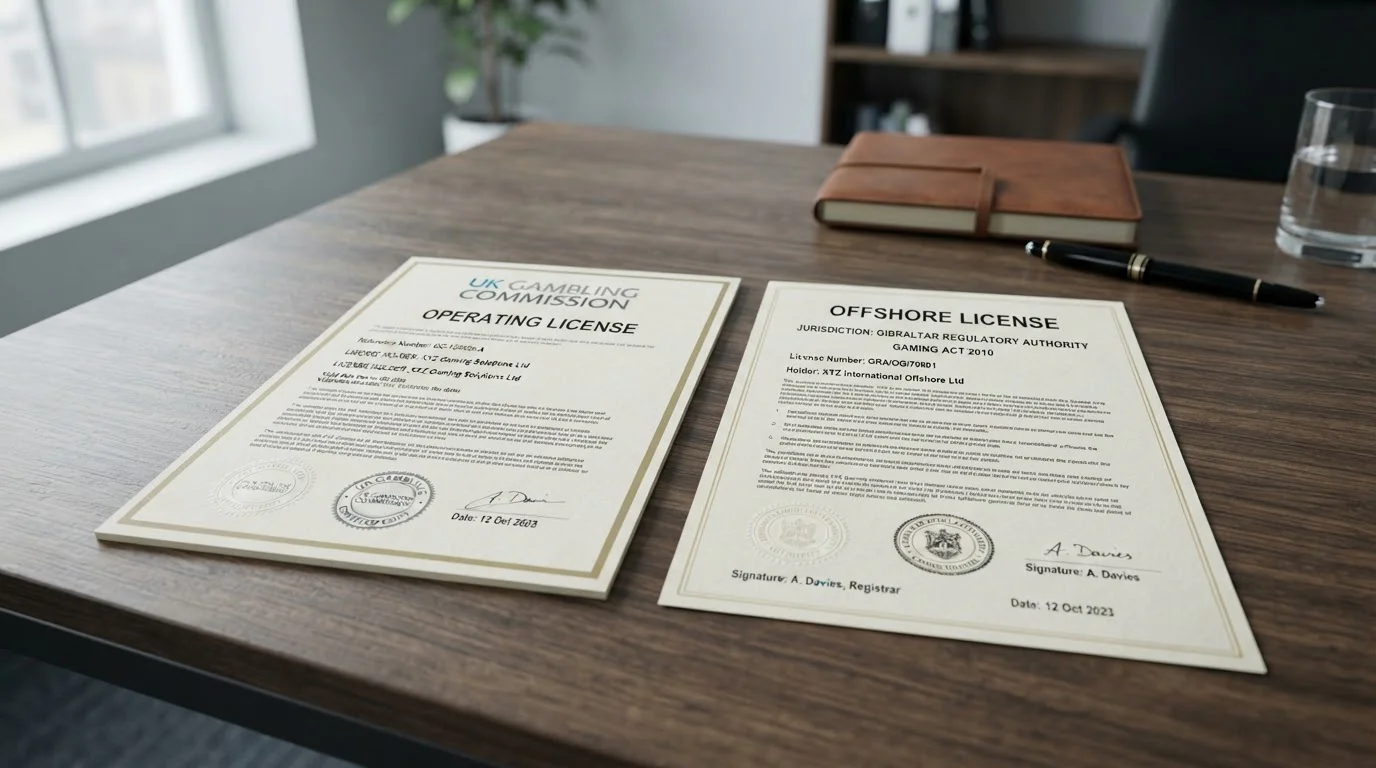
The UK Gambling Commission oversees 139 remote casino license holders as of September 2026. Every one of them blocks cryptocurrency deposits. The licensing conditions require full identity verification and anti-money laundering checks tied to traceable payment methods—debit cards, bank transfers, e-wallets with KYC. Cryptocurrency wallets don’t automatically link to verified identities, so they can’t meet the UKGC’s source-of-funds requirements.
Ripple receiving FCA approval for an Electronic Money Institution license in 2026 changed nothing for casino players. That approval allows Ripple Labs to operate cross-border payment services in the UK—it doesn’t make XRP gambling legal at UKGC sites. The regulatory wall stands.
Why UKGC-Licensed Casinos Don’t Accept Cryptocurrency
Every deposit at a UKGC casino must be traceable to a verified identity. When you fund your account with a Visa debit card, the casino sees your name, bank, and transaction history. Affordability checks pull data from that card to assess whether you’re gambling beyond your means. Cryptocurrency breaks this chain. A wallet address like rPEPPER7kfTD9w2To4CQk6UCfuHM9c6GDY doesn’t tell the casino who you are, where the funds came from, or whether you can afford the deposit.
The Gambling Act 2005 and its remote gambling regulations don’t explicitly ban crypto—they set KYC and AML standards that crypto can’t meet under current UKGC interpretation. Operators holding a UK license can’t risk accepting a payment method that might fail a compliance audit. The penalty for KYC failure is license suspension or revocation, so no regulated operator experiments.
What Offshore Licensing Means (Curaçao and Anjouan)
Curaçao reformed its licensing in December 2024, replacing the old master-license system with direct oversight from the Curaçao Gaming Authority under the LOK framework. Operators now hold individual licenses, not sub-licenses issued by middlemen. This tightened standards slightly—KYC is now more common at Curaçao casinos—but cryptocurrency remains permitted.
Anjouan licenses come from the Union of Comoros, a small island nation off the east coast of Africa. The Anjouan Offshore Financial Authority issues gaming licenses with lighter regulation than Curaçao. Many “no-KYC” crypto casinos operate on Anjouan licenses. BC.Game withdrew its Curaçao license in December 2024 and moved to Anjouan, citing an “increasingly hostile environment” in Curaçao. That migration signals how Anjouan positioning itself as the jurisdiction for operators who want minimal compliance overhead.
Neither Curaçao nor Anjouan licensing gives UK players UKGC-level protections. Both are offshore jurisdictions with limited enforcement mechanisms if a dispute arises.
What UK Players Lose by Going Offshore
GamStop coverage. The national self-exclusion scheme covers UKGC-licensed operators only. Over 562,000 UK residents registered with GamStop by the end of 2025. If you’re on the register, offshore casinos won’t see it—GamStop doesn’t extend beyond UK jurisdiction. Self-exclusion at offshore sites is voluntary and casino-specific, not centralized.
UKGC complaints process. If a UKGC casino refuses a withdrawal, you escalate to their Alternative Dispute Resolution provider, then to the Gambling Commission if unresolved. Offshore casinos have no UKGC accountability. Complaints go to the licensing authority (Curaçao Gaming Authority, Anjouan), but those regulators don’t have the UKGC’s enforcement record. In practice, disputes are resolved directly with casino support or not at all.
Segregated funds. UKGC operators must hold player balances in segregated accounts, separate from operational funds. If the casino fails, your balance is protected. Offshore casinos aren’t required to segregate funds, so insolvency or exit scams leave players with no recourse.
Stake caps and bonus limits. UKGC rules cap slots at £5 per spin for players 25 and over, £2 per spin for ages 18-24. Bonus wagering is capped at 10x as of January 2026. Offshore casinos impose no such limits—you can wager hundreds per spin and chase 40x wagering bonuses if that’s your appetite.
What UK Players Gain at Offshore XRP Casinos
Cryptocurrency deposits and withdrawals. The obvious benefit. XRP settles in 3-5 seconds on the XRP Ledger with fees under $0.01. Offshore casinos credit deposits instantly after network confirmation and process withdrawals in minutes to hours, not the 3-5 business days common at UKGC sites using traditional banking.
Larger bonuses. UKGC bonus restrictions pushed offshore casinos to compete on generosity. Welcome offers of 200%-500% are common, with cashback and rakeback schemes that would violate UK advertising standards. Bet25 offers 20% wager-free daily cashback up to 1,000 USDT. Jack gives 100 wager-free free spins on a $50 deposit. These structures don’t exist at UKGC casinos.
Faster withdrawals. Instant to 10-minute crypto withdrawals are standard at the top offshore platforms. Some casinos (Thrill, Rakebit, Dexsport) market zero-delay payouts, processing XRP withdrawals the moment you click the button. Compare that to UKGC operators, where even “fast” e-wallet withdrawals take 24-48 hours after pending periods and verification.
Lighter KYC. Curaçao casinos typically require identity verification for larger withdrawals, but Anjouan operators often process small-to-medium payouts with minimal checks. Dexsport markets itself as “no-KYC,” allowing sign-up via email, Telegram, or wallet address. For players who value privacy or dislike uploading documents, this is a draw.
Are XRP casinos legal for UK players in 2026?
Playing at offshore casinos is not illegal for UK residents. The Gambling Act regulates operators, not players. The offence is offering unlicensed gambling to UK customers, not accessing it. Offshore casinos accepting UK players operate in a grey zone—they’re not prosecuted, but they’re also not protected by UK law. Your deposits and winnings sit outside UK regulatory oversight.
Best XRP Casinos for UK Players in 2026
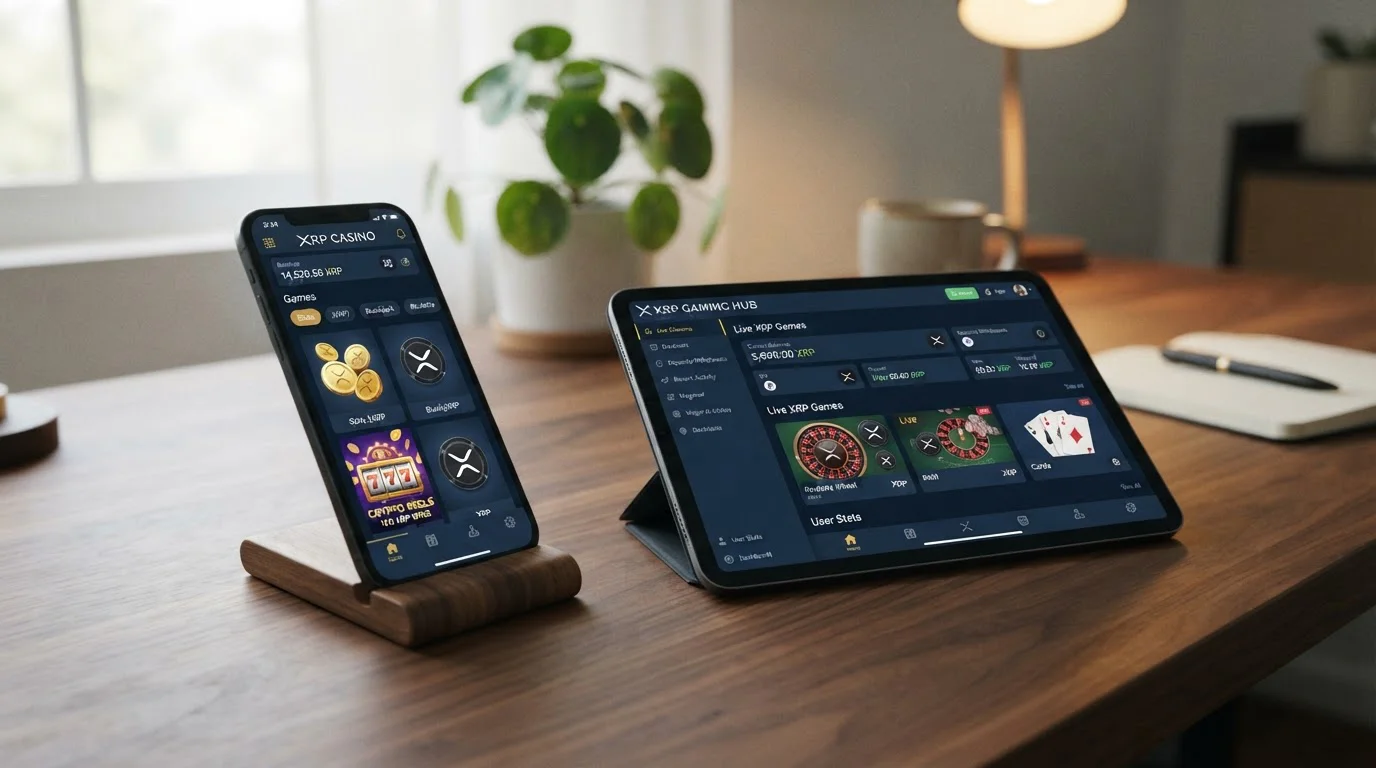
Ten offshore casinos stand out for XRP acceptance, license transparency, withdrawal reliability, and game selection. All operate outside UKGC jurisdiction. Rankings reflect CryptoSlate and Casino Guru scores, operational history, and verified payout reports from player communities.
| Casino | License | Withdrawal Speed | Min Deposit | Distinguishing Feature |
|---|---|---|---|---|
| Stake | Curaçao (Medium Rare N.V.) | Variable (instant claimed) | ~$10 | Largest crypto casino by revenue; $4.7B GGR in 2024 |
| Cloudbet | Curaçao OGL/2024/328/0599 | Under 2 hours | ~$10 | Zero-wager rakeback; operational since October 2013 |
| BC.Game | Anjouan ALSI-202410011-FI1 | Instant (claimed) | ~$1 | Lightning Network support; 10,000+ games |
| Bitcasino.io | Curaçao (Coingaming Group) | Variable | ~$10 | First licensed Bitcoin casino (2014); Fun Mode |
| mBit Casino | Curaçao (Dama N.V.) | Under 10 minutes | ~$10 | RTP transparency (shows RTP on every slot thumbnail) |
| Jack | Curaçao (Data Link Digital B.V.) | 10-12 minutes | ~$10 | 10,383 games from 101 providers; rebranded May 2026 |
| Thrill | Anjouan ALSI-202506019-FI1 | Instant (claimed) | ~$10 | 70% rakeback + 10% cashback; no withdrawal limits |
| Dexsport | Anjouan | Instant (claimed) | ~$2 | 85+ cryptos across 25 networks; no-KYC model |
| Rakebit | Anjouan (Innovex Tech/Tech Group BL) | Instant (claimed) | ~$2 | 100% rakeback Levels 1-9; VIP status matching |
| Bet25 | Anjouan ALSI-202505001-FI1 | Variable | ~$10 | 20% wager-free daily cashback up to 1,000 USDT |
Stake
The heavyweight. Medium Rare N.V. operates Stake under a Curaçao license, with Ed Craven and Bijan Tehrani listed as founders. The platform reported $4.7 billion in gross gaming revenue for 2024, making it the largest crypto casino by revenue. Valuation estimates range from $14 billion to $23.5 billion based on revenue multiples. Stake runs a full sportsbook alongside the casino, with wagers accepted up to 12 BTC on sports markets.
Celebrity partnerships (Drake, Adin Ross) and Kick streaming platform integration give Stake mainstream visibility rare in the offshore space. Illinois issued a cease-and-desist in February 2026 over marketing violations, and leaked Curaçao Gaming Authority records show unresolved ownership questions, but the platform continues operating without interruption. XRP is one of 20+ cryptocurrencies accepted. Withdrawals are marketed as instant, though processing times vary by verification level and amount.
Cloudbet
Launched October 2013 as one of the first major Bitcoin betting sites, Cloudbet is operated by Halcyon Super Holdings B.V. under Curaçao license OGL/2024/328/0599. The platform supports 32+ cryptocurrencies across multiple networks, with XRP accepted on the native XRP Ledger. Casino Guru rates Cloudbet 9.2/10 (Very High) with zero unresolved complaints—a rare clean record.
Zero-wager rakeback sets Cloudbet apart. Most casinos attach 30x-40x wagering to bonus funds; Cloudbet’s rakeback model returns a percentage of your wagers with no turnover requirement. The sportsbook heritage shows in high bet limits—up to 12 BTC on some markets. Withdrawals process in under two hours according to the site’s claims, with crypto payouts faster than fiat. If operational history matters to you, Cloudbet’s 11-year track record outweighs flashier newcomers.
BC.Game
BC.Game launched in 2017 and built a reputation around provably fair games and Lightning Network integration. The platform switched from Curaçao to Anjouan license ALSI-202410011-FI1 in December 2024, citing an “increasingly hostile environment” in Curaçao as the reason. That move suggests BC.Game prioritizes regulatory flexibility over stricter oversight.
Ten thousand games from multiple providers cover slots, live dealer, and originals. Twenty-three cryptocurrencies are accepted, with XRP processed on the XRP Ledger. Lightning Network support for Bitcoin is rare in the casino space and positions BC.Game as crypto-native rather than a traditional casino that added crypto later. The Crypto Gambling Foundation verified the platform, though “verification” in the offshore crypto world carries less weight than UKGC licensing. Withdrawals are marketed as instant; in practice, processing depends on amount and whether KYC is triggered.
Bitcasino.io
The Coingaming Group operates Bitcasino.io under a Curaçao license, marketing it as the world’s first licensed Bitcoin casino (launched 2014). Fun Mode allows testing games without a deposit, a feature absent from many competitors. The welcome bonus reaches 5,000 USDT across the first three deposits, though wagering requirements apply.
Mobile optimization is strong—most modern offshore casinos are mobile-responsive, but Bitcasino was built with mobile-first architecture. XRP is accepted alongside other major cryptocurrencies. Withdrawal speeds are variable; the casino doesn’t publish hard processing times, so expect anywhere from minutes to hours depending on volume and verification. Bitcasino sits in the established tier—operational long enough to prove it pays winners, but without the standout features that put Cloudbet or Stake at the top.
mBit Casino
Dama N.V. operates mBit Casino under a Curaçao eGaming license, with the platform running since 2014. Ten thousand games from 53 providers give mBit one of the largest catalogs in crypto gambling. The Stellar Club VIP program offers tiered rewards, and withdrawals typically process in under 10 minutes for crypto.
RTP transparency is the distinguishing feature. Every slot displays its Return to Player percentage on the thumbnail, and you can sort games by RTP before playing. Most casinos bury RTP data in game info screens or omit it entirely, so mBit’s upfront display is a practical edge for players who care about house edge. Withdrawal limits cap at 3 BTC weekly, with wins over 10 BTC paid monthly. If you’re chasing life-changing jackpots, the monthly payout structure could delay your cashout.
Jack
Data Link Digital B.V. operates Jack under a Curaçao license, rebranded from JackBit in May 2026. The platform has operated since 2022, so the rebrand is cosmetic rather than a signal of new management. Ten thousand three hundred eighty-three titles from 101 providers include 9,528 slots and 826 live dealer tables, covering the full spectrum from Pragmatic Play and Evolution to smaller studios.
The welcome offer is 100 wager-free free spins on a $50 deposit, which stands out in a field of high-wagering bonuses. CryptoSlate ranks Jack 9.3/10. Withdrawals process in 10-12 minutes on average. Weekly tournaments with $40,000 prize pools add a competitive layer for players who chase leaderboards. Jack sits in the “solid mid-tier” category—licensed, transparent, fast payouts, but no killer feature that makes it a must-pick over Cloudbet or mBit.
Thrill
Gravity Unleashed Limitada operates Thrill under Anjouan license ALSI-202506019-FI1, launched in 2025. Seventy percent rakeback plus 10% cashback creates an aggressive loyalty structure aimed at high-volume players. No withdrawal limits is the headline claim—most offshore casinos cap weekly or per-transaction withdrawals, so Thrill’s “unlimited” positioning appeals to high rollers, though the lack of operational history means that claim hasn’t been tested at scale.
Fifteen cryptocurrencies are accepted, with XRP included. Thrill Originals feature live Crash and other provably fair games. Instant withdrawals are marketed, with processing happening the moment you request a payout. Ranking sits at 9.1/10 on independent review aggregators. The risk with a 2025 launch is limited track record—Thrill hasn’t paid out a seven-figure win yet, so high-stakes players might prefer an established name.
Dexsport
Dexsport operates under an Anjouan license, launched in 2022. Eighty-five cryptocurrencies across 25 networks give Dexsport the widest crypto support in this list—obscure altcoins and tokens are accepted alongside mainstream coins. The no-KYC model allows sign-up via email, Telegram, or wallet address, with MetaMask and Trust Wallet integration for Web3 non-custodial positioning.
Five thousand games span slots, live dealer, and sportsbook. Fifteen percent weekly cashback applies across all wagers. The 9.0/10 ranking reflects strong crypto-native features but lighter regulatory oversight than Curaçao operators. Instant withdrawals are standard. Minimum deposit sits around $2 equivalent. Dexsport suits players who prioritize privacy and altcoin support over established operational history.
Rakebit
Innovex Tech Holdings (also listed as Tech Group BL Limitada in some sources) operates Rakebit under an Anjouan license, launched in 2024. One hundred percent rakeback for VIP levels 1-9 is the core offering, with VIP status matching for players who held high tiers at other casinos. This appeals to grinders who’ve already invested time in another platform’s loyalty program.
Six thousand to seven thousand games (exact count varies by source) come from mainstream providers. Nineteen Originals (Crash, Plinko, Dice) add variety. Twenty-five cryptocurrencies are accepted, with $2 minimum deposits. Instant withdrawals are marketed. Ranking sits at 8.9/10. The 2024 launch means limited long-term data, but the VIP matching feature shows Rakebit is targeting established players, not casino tourists.
Bet25
Horns and Hooves Company SA (Costa Rica registration 3-101-922698) operates Bet25 under Anjouan license ALSI-202505001-FI1, launched in 2025. Twenty percent wager-free daily cashback up to 1,000 USDT is the standout offer—most cashback comes with turnover requirements, so “wager-free” is a legitimate differentiator. Loyalty levels never reset, so progress is permanent.
Nine thousand games cover slots, live dealer, and table games. Four 150% deposit bonuses structure the welcome offer. Ranking sits at 8.5/10, the lowest in this list, reflecting the platform’s newness and lighter player feedback volume. Withdrawals are variable in speed—some reports suggest instant processing, others mention delays during peak times. Bet25 fits players who prioritize daily cashback over operational longevity.
Will I receive my winnings in XRP or another cryptocurrency?
Not every casino that accepts XRP deposits pays out in XRP. Some platforms convert your balance to BTC or a stablecoin internally, then pay withdrawals in that converted currency. The casino’s exchange spread becomes a hidden fee—you deposit 1,000 XRP, win 2,000 XRP equivalent, but withdraw 0.08 BTC at the casino’s conversion rate rather than the live market rate.
Verify payout currency before depositing. Cloudbet, mBit, and Bitcasino process XRP natively—you deposit XRP, your balance displays in XRP, you withdraw XRP. Stake and BC.Game allow multi-currency balances but may convert depending on game provider. Jack, Thrill, Dexsport, Rakebit, and Bet25 vary by implementation; check the cashier or ask support before funding your account.
How to Deposit XRP at Online Casinos
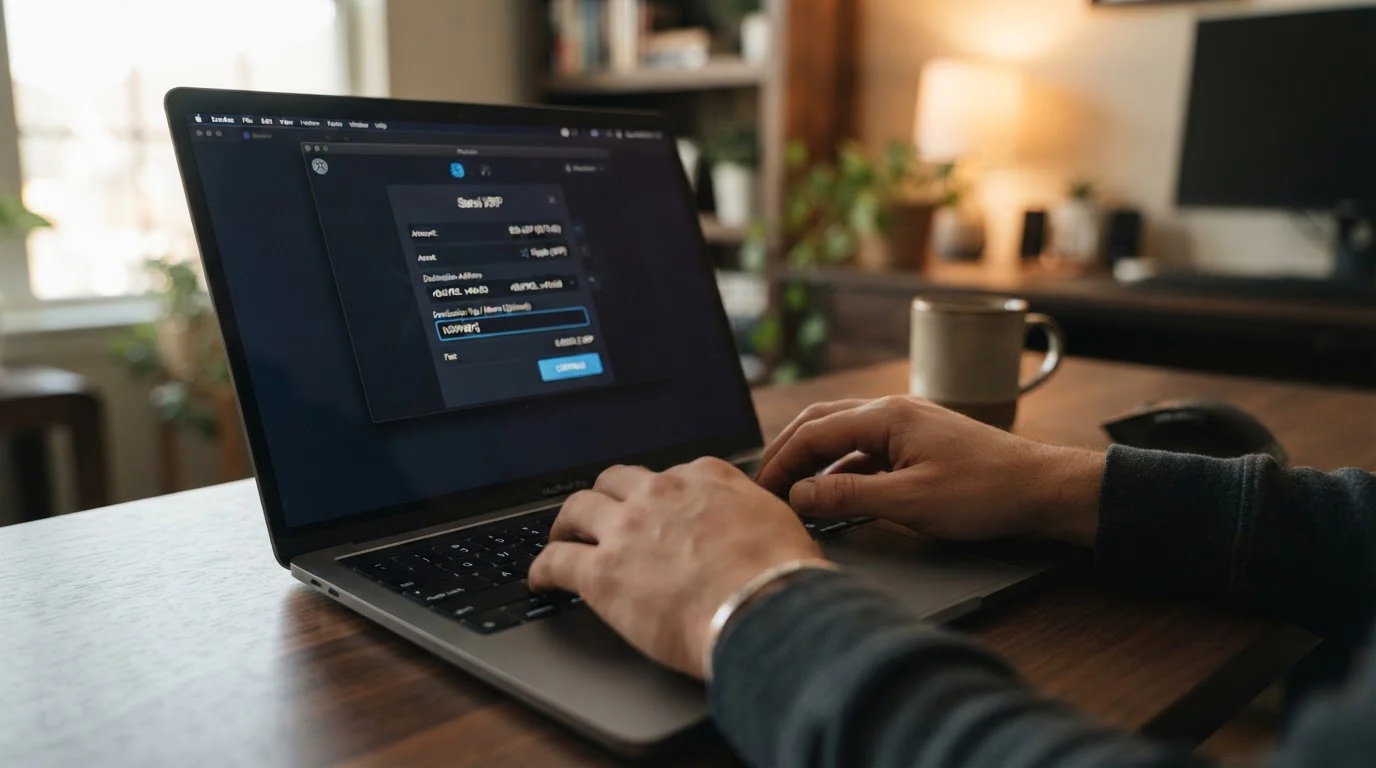
Getting XRP into a casino account requires three steps: acquire XRP, transfer it to a wallet you control, then send it to the casino’s XRP address with the correct destination tag. The destination tag is the technical requirement that trips up first-time users.
Getting XRP in the UK: Where to Buy and How

Coinbase, Kraken, Binance, CEX.io, and Bitstamp all accept UK customers and list XRP. Faster Payments from your UK bank account funds the exchange in minutes. Minimum purchases start at £1-£10 depending on the platform. Kraken and Coinbase offer the most straightforward onboarding for UK residents—create an account, verify identity, deposit GBP via bank transfer, buy XRP, done.
Exchange fees vary. Coinbase charges around 0.5%-1.5% per trade depending on volume. Kraken’s fee structure starts lower for makers (0.16%) and takers (0.26%) but adds deposit and withdrawal fees. Binance undercuts both on trading fees but imposes withdrawal minimums. For casino deposits, the fee difference on a £50-£200 purchase is negligible—pick the exchange with the simplest interface if you’re new to crypto.
Credit and debit card purchases carry higher fees (3%-5%) than bank transfers. If you’re funding a casino account regularly, bank transfer to exchange is cheaper. eToro supports XRP but restricts withdrawals to eToro’s own wallet, limiting flexibility.
Setting Up Your XRP Wallet
Exchange wallets (leaving XRP on Coinbase or Kraken) work for casino deposits, but you’re trusting the exchange to hold your funds. A personal wallet gives you control. Trust Wallet, Ledger (hardware wallet), and MetaMask with XRP support are common choices.
Trust Wallet is mobile-friendly and supports XRP natively. Download the app, create a new wallet, back up your recovery phrase (write it on paper, not a screenshot), and you’re set. Send XRP from your exchange to your Trust Wallet address, then from Trust Wallet to the casino. This adds one step but keeps custody with you.
Ledger hardware wallets (Nano S, Nano X) store private keys offline, the most secure option. Setup takes longer—initialize the device, install Ledger Live software, add an XRP account—but large balances justify the effort. If you’re depositing £500+ regularly, hardware wallet security outweighs the convenience of a hot wallet.
Exchange wallets simplify the process: buy XRP on Coinbase, send directly to the casino from Coinbase, skip the intermediate wallet. The trade-off is Coinbase holds your keys. For small deposits (£50-£200), the risk is minimal. For larger amounts or long-term holding, move to a personal wallet.
The Deposit Process: Step-by-Step
Log into the casino cashier and select XRP as your deposit method. The casino displays an XRP address and a destination tag. Both are required. The address is a long string starting with r (example: rPEPPER7kfTD9w2To4CQk6UCfuHM9c6GDY). The destination tag is a short numeric code, typically 10 digits.
Copy both. Do not type them manually—one wrong character sends funds to the void. Open your wallet (Trust Wallet, Ledger Live, or exchange withdrawal screen). Paste the casino’s XRP address into the recipient field. Locate the destination tag field—it might be labeled “Destination Tag,” “Tag,” “Memo,” or “Note” depending on your wallet. Paste the casino’s destination tag there.
Enter the amount you want to send. Double-check the address and destination tag. XRP transactions are irreversible—if you send to the wrong address or omit the destination tag, the funds are stuck. Confirm the transaction. Your wallet will show a small network fee (<$0.01) deducted from the amount sent.
The XRP Ledger confirms transactions in 3-5 seconds. The casino credits your balance immediately after network confirmation. Check your casino account—funds should appear within seconds to a minute. If they don’t, verify you included the destination tag correctly.
Understanding Destination Tags (and Why They Matter)
Casinos use pooled XRP addresses. Instead of generating a unique XRP address for every player, the casino assigns one address to hundreds or thousands of players. The destination tag identifies which player account within that pooled address. Think of the XRP address as a building address and the destination tag as the apartment number.
Omitting the destination tag sends your XRP to the casino’s pooled address, but the casino can’t determine which player sent it. Your deposit arrives in their wallet, but your account balance doesn’t update. The casino sees the incoming transaction on the blockchain but has no way to match it to your account automatically.
Do I need a destination tag when depositing XRP to a casino?
Yes, always. Every casino listed here uses pooled XRP addresses, which require destination tags. The casino’s deposit screen will display the tag prominently—if you don’t see one, refresh the page or contact support before sending funds. Never skip the destination tag field in your wallet.
Where can I buy XRP in the UK to use at casinos?
Coinbase, Kraken, Binance, CEX.io, and Bitstamp all serve UK customers and list XRP. Faster Payments deposits from UK bank accounts clear in minutes. Coinbase offers the simplest onboarding; Kraken has lower trading fees; Binance has the widest altcoin selection if you want to diversify beyond XRP.
What happens if I send XRP without a destination tag?
Your funds arrive at the casino’s XRP address, but your account balance doesn’t update. Open a support ticket immediately with the transaction hash (txID) from your wallet. The casino’s finance team can manually credit your account by matching the txID to the incoming transaction, but this takes hours to days depending on support response time. Some casinos charge a recovery fee (£10-£20 equivalent) for manual crediting. Prevention is simpler: always include the destination tag.
XRP Withdrawal Speed, Limits and Payout Currency
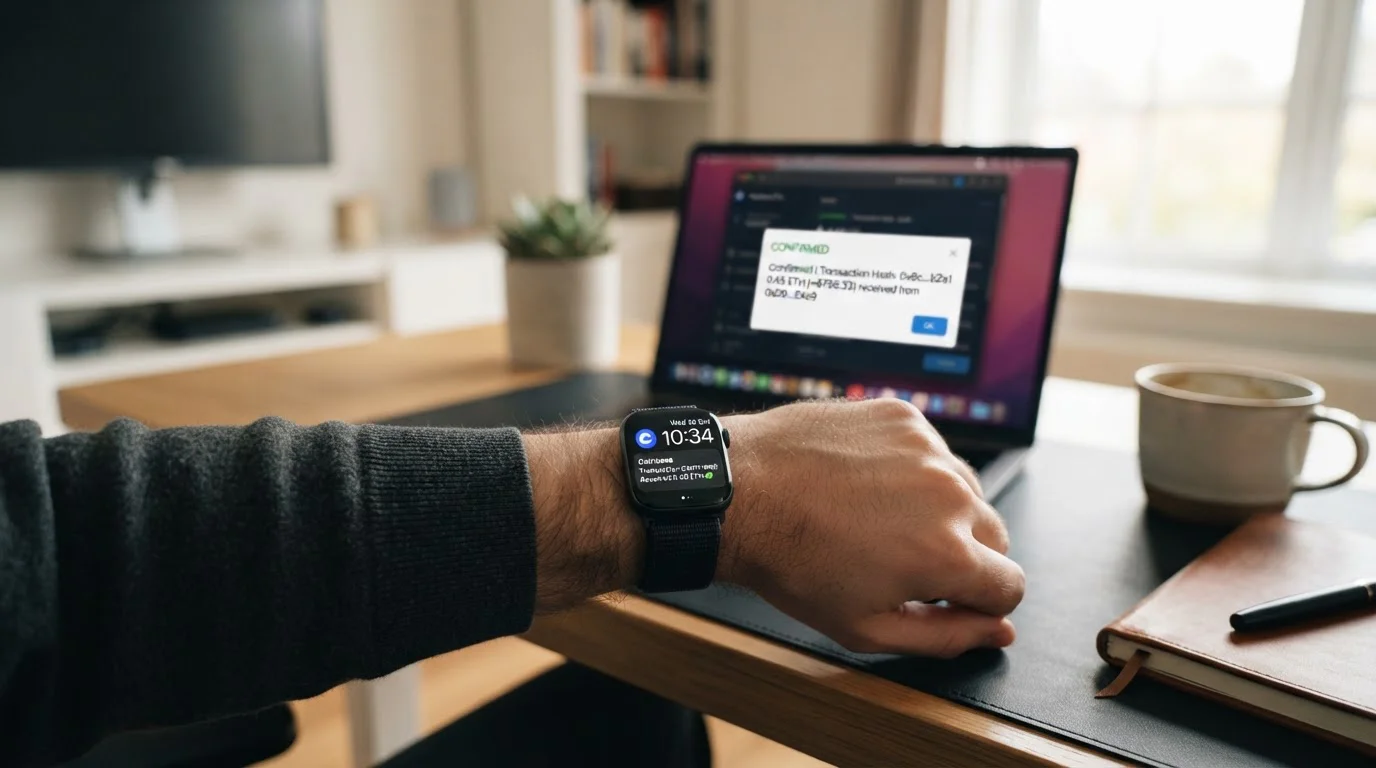
Withdrawal processing splits into two stages: casino processing time (how long the casino takes to approve and send your payout) and blockchain settlement (how long the XRP Ledger takes to confirm the transaction). Blockchain settlement is always 3-5 seconds. Casino processing is where speed varies.
How Fast Are XRP Withdrawals? (Casino Processing Times)
Offshore crypto casinos market “instant” withdrawals, but “instant” is relative. The fastest operators (Thrill, Rakebit, Dexsport) process payouts in under two minutes—you click withdraw, the casino sends the transaction, and your wallet receives XRP within three to five seconds of the casino’s send. That’s genuinely instant from a player’s perspective.
Mid-tier speed (Jack, mBit) processes withdrawals in 10-12 minutes. The delay comes from internal compliance checks—the casino’s system flags the transaction for review, a human or automated process approves it, then the payout is sent. Still fast compared to traditional banking, but not instant.
Slower operators (Cloudbet, Stake, BC.Game, Bitcasino.io) take anywhere from 30 minutes to two hours. The casino’s internal queue, verification level, and withdrawal amount all affect processing time. First withdrawals often take longer than repeat payouts as the casino establishes your transaction pattern.
Blockchain settlement is never the bottleneck. Once the casino sends the XRP transaction, it confirms on the XRP Ledger in 3-5 seconds. Your wallet displays the balance immediately. The wait is always on the casino’s end.
Withdrawal Limits: What to Expect
Thrill markets no withdrawal limits, a standout claim if it holds at high amounts. Most offshore casinos cap per-transaction or weekly withdrawals. mBit Casino limits payouts to 3 BTC weekly, with wins over 10 BTC paid monthly. Dexsport caps single transactions at $10,000. Cloudbet and Stake don’t publish hard limits publicly, but high-stakes players report successful withdrawals up to 12 BTC on sportsbook wins.
Smaller operators impose tighter limits—some cap withdrawals at $500 per transaction, frustrating for players who win big. Check the casino’s terms before depositing if you plan to wager large amounts. A 10,000 XRP win split into 20 separate $500 withdrawals is a headache.
VIP status often raises limits. If you’re a regular player, contact the casino’s VIP team and negotiate higher per-transaction caps. High-volume players get preferential treatment at offshore casinos because there’s no regulatory ceiling on how they’re rewarded.
Turnover Requirements Before Cashing Out
Most offshore casinos require 1x deposit turnover before withdrawals. Deposit 1,000 XRP, wager 1,000 XRP total (across any games), then withdraw. This is an anti-money-laundering measure—casinos don’t want to operate as crypto mixers. One-time turnover is negligible; you’d wager that amount anyway.
Higher turnover requirements (3x-5x) appear at some casinos. Ybets requires 3x deposit turnover, Monoplay requires 5x. These are red flags. Five-times turnover on a losing session means you must wager five times your deposit before accessing your remaining balance—effectively a withdrawal lock. Stick to 1x turnover casinos unless a specific feature justifies the higher requirement.
Cashback and rakeback often come with zero turnover. Bet25’s 20% wager-free daily cashback can be withdrawn immediately. Cloudbet’s rakeback has no wagering requirement. These structures favor grinders who generate volume—your losses return as withdrawable funds rather than locked bonus balance.
When KYC Is Required
Curaçao casinos typically trigger KYC above certain thresholds. Stake, Cloudbet, mBit, Jack, and Bitcasino.io all require identity verification for larger withdrawals, though the exact trigger point isn’t published. Expect KYC requests around $2,000-$5,000 in cumulative withdrawals, earlier if your deposit pattern looks unusual.
Anjouan casinos (BC.Game, Thrill, Dexsport, Rakebit, Bet25) market lighter KYC. Dexsport allows sign-up via wallet address with no email required, and some players report successful withdrawals up to $10,000 without verification. That flexibility disappears if the casino suspects fraud or bonus abuse—Anjouan licenses don’t prohibit KYC, they just don’t mandate it at low thresholds.
High wins trigger KYC everywhere. A £50,000 jackpot withdrawal will require identity documents, proof of address, and potentially a source-of-funds check regardless of license jurisdiction. Offshore casinos aren’t exempt from anti-money-laundering pressure; they just apply it selectively.
How fast are XRP casino deposits and withdrawals?
Deposits are instant—3-5 seconds for blockchain confirmation, then immediate balance credit. Withdrawals depend on casino processing: instant to 2 minutes at the fastest operators (Thrill, Rakebit, Dexsport), 10-12 minutes at mid-tier (Jack, mBit), 30 minutes to 2 hours at slower platforms (Cloudbet, Stake). Blockchain settlement is always 3-5 seconds once the casino sends the transaction.
XRP Casino Bonuses and Fees
Welcome Bonuses at XRP Casinos
Offshore casinos compete on bonus size because UKGC regulations don’t apply. Jack offers 100 wager-free free spins on a $50 deposit. Bet25 structures four 150% deposit bonuses across your first four deposits. Bitcasino.io gives up to 5,000 USDT over three deposits. These numbers dwarf UKGC welcome offers, which are capped at 10x wagering and restricted by advertising standards.
Wagering requirements range from zero (Jack’s free spins, Cloudbet’s rakeback) to 40x (common on deposit match bonuses). A 200% bonus with 40x wagering on a £100 deposit means you must wager £8,000 (£100 deposit + £200 bonus = £300 × 40) before withdrawing bonus winnings. High wagering makes bonuses marketing rather than value unless you’re a volume player.
Game contribution varies. Slots usually contribute 100% toward wagering. Live dealer games contribute 10%-20%. Some casinos exclude live dealer entirely from bonus play. Read the terms before claiming—a £500 bonus is worthless if you prefer roulette and live games don’t count.
Rakeback and Cashback Offers
Rakeback returns a percentage of your total wagers regardless of outcome. Thrill offers 70% rakeback, meaning 70% of your wagered amount comes back as withdrawable funds over time. Cloudbet’s zero-wager rakeback is immediately cashable. Rakebit gives 100% rakeback at VIP levels 1-9, the highest rate in this list.
Cashback returns a percentage of net losses. Bet25’s 20% wager-free daily cashback means losing £100 returns £20 the next day with no turnover requirement. Standard cashback (10%-15%) often comes with 1x wagering. Wager-free cashback is the stronger offer because you control the returned funds immediately.
Rakeback suits winning players or break-even grinders. You’re getting money back on volume, not losses. Cashback suits volatile play—big swings mean big losses, and cashback softens the downside.
Transaction Fees: What You’ll Actually Pay
XRP network fees are under $0.01 per transaction. Depositing 1,000 XRP costs 0.00001 XRP (a fraction of a cent). Withdrawing 2,000 XRP costs the same. The XRP Ledger’s fee structure doesn’t change based on transaction size—sending 10 XRP costs the same as sending 10,000 XRP.
Casino deposit fees are zero at every platform in this list. Casino withdrawal fees vary. Most charge nothing for your first withdrawal, then impose fees on repeat withdrawals within 24 hours or seven days. Monoplay charges 5%-8% on repeat withdrawals, a punitive structure that encourages you to consolidate payouts.
Hidden fees come from currency conversion. If the casino converts your XRP deposit to USD or BTC internally, you’re paying the casino’s spread. Live market rate for XRP might be $2.50, but the casino credits your balance at $2.45. That $0.05 difference per XRP is a 2% fee disguised as a conversion. Verify the casino holds XRP natively or uses live market rates for conversion.
Exchange fees (buying XRP in the first place) add 0.5%-1.5% at Coinbase, 0.16%-0.26% at Kraken. For a £100 deposit, that’s £0.50-£1.50. Negligible compared to the potential upside or downside of gambling, but worth noting for regular depositors.
Minimum Deposits and Hidden Costs
Minimum deposits range from $1-$2 (Dexsport, Rakebit) to $10 (Stake, Cloudbet, most others). The low minimums reflect crypto’s divisibility—you can send 5 XRP as easily as 5,000 XRP. UKGC casinos often impose £10 minimums for payment processing reasons; offshore crypto casinos have no such constraint.
Hidden costs appear in withdrawal limits and turnover requirements. A $2 minimum deposit sounds appealing until you discover $500 maximum withdrawal per transaction. You deposit £20, run it up to £2,000, then withdraw in four separate transactions over four days because the casino caps payouts. That’s not a fee, but it’s friction that costs you time and flexibility.
Turnover requirements (1x-5x) are hidden costs in the sense that they lock your balance until you meet the threshold. Deposit £100, lose £20 in your first session, and now you must wager another £80 before withdrawing your remaining £80. One-time turnover is standard; anything higher is a withdrawal lock disguised as anti-money-laundering policy.
Games, Mobile Play, and XRP Casino Experience
Slots, Live Dealer, and Game Variety
Every casino in this list offers 5,000+ games minimum. Jack tops the count at 10,383 titles from 101 providers. mBit lists 10,000 games from 53 providers. BC.Game claims 10,000+. The practical difference between 6,000 and 10,000 slots is negligible—most players stick to a few favorite studios (Pragmatic Play, NetEnt, Evolution) and ignore the long tail of obscure providers.
Live dealer tables come from Evolution, Pragmatic Play Live, and Ezugi at most platforms. Evolution dominates the premium live casino space—if the casino lists Evolution, you’re getting Lightning Roulette, Crazy Time, and the full suite of live blackjack and baccarat variants. Jack lists 826 live dealer tables, more than enough for any preference.
Provably fair games (Crash, Plinko, Dice) are crypto-casino staples. Thrill, BC.Game, Dexsport, and Rakebit all run in-house provably fair titles where you can verify fairness via cryptographic hashing. These games don’t exist at UKGC casinos because the regulatory framework doesn’t cover blockchain-based fairness verification.
Mobile and App Access
All ten casinos are mobile-responsive. No downloads required—open the site in your phone’s browser, log in, play. Some casinos (Stake, BC.Game, Bitcasino.io) offer standalone apps for iOS and Android, but the apps are just wrappers around the mobile site. Browser-based play is smoother because you’re not managing app updates.
Trust Wallet and MetaMask integrate directly with some casinos (Dexsport, BC.Game), allowing wallet-based login without email or password. Tap “Connect Wallet,” authorize the connection, and you’re in. This is Web3 positioning—non-custodial access where the casino never holds your login credentials.
Mobile deposits work identically to desktop. Open the cashier, copy the XRP address and destination tag, switch to your wallet app, paste, send. Switching between apps can cause paste errors—double-check the destination tag after pasting.
GamStop, Self-Exclusion, and Offshore Casino Risks

Why GamStop Doesn’t Cover XRP Casinos
GamStop is a UK-based self-exclusion scheme covering UKGC-licensed operators. When you register with GamStop, every casino holding a UK license blocks your account. Over 562,000 UK residents were registered with GamStop by the end of 2025.
Offshore casinos don’t access the GamStop database. The scheme is voluntary for operators, and only UK-licensed operators participate. Curaçao and Anjouan casinos have no legal obligation to honor GamStop exclusions, and most don’t check. If you’re self-excluded via GamStop, offshore XRP casinos remain accessible.
Some offshore casinos offer their own self-exclusion tools. BC.Game, Stake, and Cloudbet allow you to self-exclude for set periods (6 months, 1 year, permanent), but enforcement is casino-specific. Excluding yourself from Stake doesn’t block you at Cloudbet. There’s no centralized offshore self-exclusion system.
No-KYC Casinos: What “No Verification” Really Means
Dexsport markets itself as “no-KYC,” allowing sign-up via Telegram or wallet address. Anjouan casinos (Thrill, Rakebit, Bet25) often process withdrawals without identity checks at lower amounts. “No-KYC” is accurate up to a point—you can deposit, play, and withdraw small amounts without uploading documents.
That changes when you win big or trigger anti-fraud systems. A £10,000 withdrawal will prompt KYC regardless of the casino’s “no verification” marketing. If the casino suspects bonus abuse, multi-accounting, or money laundering, they’ll lock your account until you verify identity. Anjouan licenses don’t prohibit KYC; they just don’t mandate it at low thresholds.
“No-KYC” appeals to privacy-focused players, but it’s not absolute. Factor in the possibility that a large win will require verification even at the lightest-touch casinos.
When Problems Arise: Disputes and Support
Offshore casinos have no UKGC oversight. If a casino refuses a withdrawal, you escalate to their support team, then to the licensing authority (Curaçao Gaming Authority, Anjouan Financial Authority). Curaçao’s post-2024 reform improved dispute processes slightly, but enforcement remains weak compared to the UKGC.
Anjouan has lighter enforcement. If an Anjouan casino refuses a payout and ignores your complaint, your recourse is limited to public shaming on forums (AskGamblers, Casino Guru, Reddit) and hoping the casino values its reputation. Many do—Thrill, Dexsport, and Rakebit respond to public complaints because negative reviews hurt acquisition. But there’s no regulator forcing resolution.
Segregated funds don’t exist offshore. If the casino goes insolvent or the operators exit scam, your balance disappears. UKGC casinos must hold player funds in segregated accounts separate from operational funds; offshore casinos don’t. Stick to established names (Stake, Cloudbet, mBit) if this risk concerns you—they’ve operated long enough to prove solvency.
Can I use GamStop to exclude myself from XRP casinos?
No. GamStop covers UKGC-licensed operators only. Offshore XRP casinos don’t access the GamStop database and aren’t required to honor UK self-exclusion registrations. Some offshore casinos offer their own self-exclusion tools, but enforcement is casino-specific and not centralized.
Are offshore XRP casinos safe for UK players?
Safe in the sense that established operators (Cloudbet, Stake, mBit, Bitcasino.io) have paid winners reliably for years. Unsafe in the sense that you have no UKGC recourse if a dispute arises, no segregated funds guarantee, and no centralized self-exclusion scheme. Weigh the trade-off: faster withdrawals and bigger bonuses versus regulatory protections. Stick to casinos with long operational histories and transparent licensing if you’re risk-averse.
XRP Alternatives and the Future of Crypto Casinos in the UK
If XRP Doesn’t Fit: Other Crypto Options
Bitcoin, Ethereum, Litecoin, and stablecoins (USDT, USDC) are accepted at every casino in this list. Bitcoin has the widest acceptance but higher fees ($1-$5 per transaction during network congestion) and slower settlement (10-60 minutes for confirmations). Ethereum fees vary wildly depending on gas prices—sometimes $0.50, sometimes $20.
Litecoin splits the difference: faster than Bitcoin (2.5-minute blocks), cheaper fees ($0.01-$0.10), and nearly universal acceptance. If XRP isn’t available or you prefer alternatives, Litecoin is the closest equivalent. Stablecoins (USDT, USDC) offer price stability—no exchange rate risk between deposit and withdrawal—but rely on Ethereum, Tron, or other networks for settlement, inheriting those networks’ fee structures.
Bitcoin Cash, Dogecoin, and Tron appear at some casinos. These are niche options unless you already hold them. XRP’s 3-5 second settlement and sub-cent fees make it the fastest and cheapest option for casino gambling. Litecoin is the only close competitor on speed and cost.
The main alternatives stack up against XRP as follows:
| Cryptocurrency | Settlement Speed | Typical Fee | Notes |
|---|---|---|---|
| XRP | 3–5 seconds | Under $0.01 | Fastest and cheapest for casino play |
| Litecoin | 2.5-minute blocks | $0.01–$0.10 | Closest competitor on speed and cost |
| Bitcoin | 10–60 minutes | $1–$5 | Widest acceptance, higher fees |
| Ethereum | 1–5 minutes | $0.50–$20 | Fees swing with gas prices |
| USDT / USDC | Varies by network | Network-dependent | Price-stable, no exchange-rate risk |
Will UKGC Ever Allow Cryptocurrency?
No indication that the Gambling Commission intends to permit cryptocurrency at licensed operators. The regulatory framework requires full traceability of deposits to verified identities, and cryptocurrency complicates that requirement. Even with Ripple’s FCA approval for payment services, the UKGC’s position hasn’t softened.
Future reform could theoretically create a crypto-friendly licensing category with adapted KYC requirements, but no proposals exist as of 2026. The Gambling Act 2005 review focused on stake limits, bonus caps, and affordability checks—cryptocurrency wasn’t addressed. The offshore vs UKGC divide will persist for the foreseeable future.
Ripple’s FCA approval legitimizes XRP for cross-border payments and institutional use in the UK, but that regulatory clearance doesn’t extend to gambling. The UKGC and FCA regulate separate domains—payment infrastructure versus consumer gambling—and Ripple’s EMI license covers the former, not the latter.
Crypto Casinos UK 2026 — Solana, XRP, Dogecoin and More
Content created by the «casinopayexp» team