
Casinos That Accept AstroPay UK 2026: The Honest State of Play as the Payment Provider Exits
 Available in US
AstroPay UK is closing British accounts today, 9 October 2026. Top-ups and incoming transfers already switched off in September, and a £20-per-30-days idleness fee kicks in for any balance you leave behind. The affiliate pages still ranking in October with “Best AstroPay Casinos UK 2026” headlines haven’t caught up — or haven’t bothered to update.
What you actually need is the current state of play: which UK-licensed casinos ever listed the method and what that means now that the issuing entity is walking away, which offshore sites still process it and what you forfeit by using them, and which payment methods genuinely replace it at British operators. Plus the mechanics of getting money out of a closing wallet before fees start eating it.
That’s what you’ll find below. No recycled 2023 listicle, no invented “top 10” when the list is effectively zero at the UKGC level. The wind-down happened; here’s what it means for a UK player trying to fund a casino account right now.
AstroPay UK Is Closing — What Happened and What It Means
Larstal Limited, the UK entity behind AstroPay (FCA-authorised electronic money institution, firm reference number 901001, Companies House number 11970628), announced the closure in a help-centre notice published weeks ago. Target date: 9 October 2026. Scope: “all users on the LARSTAL UK and Larstal Denmark ApS entities”, affecting “a number of European countries — not only the UK and Denmark.”
As of the closure process starting in September, top-ups are blocked. Incoming transfers are blocked. Withdrawals remain the one live function, including after 9 October if you contact support. But if a balance sits there past today, Larstal charges £20 every 30 days until it’s withdrawn. The company states the fee “cannot be waived once it starts accruing”.
The question the help centre answers bluntly: “Is there a replacement product for affected users?” The answer: “AstroPay is exiting these markets, so there is no replacement product being offered.”
That’s not how you frame a business pivot. That’s how you announce you’re done.
Why did AstroPay stop working for UK players?
The regulatory backstory matters because it explains why the closure isn’t sudden. In April 2024, Larstal entered a voluntary undertaking with the Financial Conduct Authority — effectively a shutdown. The Financial Ombudsman Service quoted the FCA’s exact wording in a June 2025 decision:
> “With immediate effect, Larstal undertakes to … refrain from providing any of the services that it is currently registered to provide under FRN 901001 as an Authorised Electronic Money Institution … which includes accepting any new customer funds, providing payment services …, or issuing or redeeming E-Money, without prior written consent from the Authority.”
The Ombudsman’s own phrasing: “in April 2024 the FCA placed a voluntary restriction on Astropay.” Media coverage in June 2024 noted AstroPay serves high-risk sectors including online gambling, and Bloomberg reported the firm owed backers over $22 million by end-2022.
In July 2025, an updated undertaking replaced the April restriction and allowed Larstal to resume onboarding UK customers. The AstroPay blog on 28 July 2025 announced: “AstroPay UK is now open to new users.”
Fourteen months later, the business shuts down anyway. Regulatory pressure was real, but the exit is commercial — the company says so directly by framing it as “exiting these markets” rather than suspending under duress.
One analytical note worth making: AstroPay sponsored Wolverhampton Wanderers as principal partner and shirt sponsor from August 2021, launched a co-branded Wolves debit card in February 2023, and held partnerships with Newcastle United, Tottenham Hotspur and Burnley FC across the same window. The brand invested heavily in UK sports visibility while the underlying UK consumer business proved commercially unviable. The football sponsorships were brand-building theatre; the FCA undertaking was the script underneath.
UKGC-Licensed Casinos and the AstroPay Gap

Mainstream British operators — Betway, Betfred, LeoVegas, Casumo, 10bet, NetBet, Karamba, kwiff, Lottoland, Parimatch — do not list AstroPay on their own payment pages as of October 2026. Affiliate sites claim they accept it. Operator cashiers and help centres say otherwise.
Betway’s published methods: Visa, Mastercard, Apple Pay, PayPal, Trustly and instant bank transfer. Betfred lists Visa, Mastercard, Apple Pay, PayPal, Skrill, Neteller and Open Banking. 10bet’s help API returns Visa, Mastercard, PayPal, Skrill, Neteller, paysafecard, Trustly, Apple Pay, Google Pay and Fast Bank Transfer. NetBet’s UK help centre (updated 17 March 2026) lists Debit Card, Pay by Bank, Apple Pay, Google Pay, PayPal, Instant Bank Transfer, paysafecard and Payz — but its global help centre does mention AstroPay, showing the method exists elsewhere and was deliberately not rolled into the GB cashier.
So where did the affiliate claims come from?
ProgressPlay Platform Brands
The honest UK presence clustered on a single platform operator: ProgressPlay Limited, UKGC licence account 39335, operating a white-label infrastructure that powered multiple British casino and betting brands. When ProgressPlay integrated a payment method at platform level, all its brands inherited it. That’s why AstroPay surfaced at obscure names like Betrino, Betarno and MogoBet while Betway and bet365 never touched it.
The integration is now dead. Betarno’s own JavaScript bundle (the code that renders the payment-method carousel) contained AstroPay references in a July 2024 Wayback Machine snapshot; by September 2025 the method had been removed from the same file. Betrino’s live deposit-methods page still holds every AstroPay mention — but inside HTML comments , making them invisible to users. The code is there; the method is not.
Vegas Mobile Casino shows the most ambiguous remnant: an AstroPay logo file (astroPay.png) appears in the live payment-methods strip with alt text, but no descriptive block, no stated minimum deposit, and no mention in the help text. It reads as legacy branding rather than a working integration.
| Brand | UKGC Licence | Min Deposit | AstroPay Status | Withdrawal Alternatives | Source |
|---|---|---|---|---|---|
| Betrino | 039335-R-319313-021 (ProgressPlay) | £10–£20 | Removed (HTML commented out) | Payz, Skrill | betrino.com/deposit-methods, 9 Oct 2026 |
| Betarno | 039335-R-319313-021 (ProgressPlay) | £10 (historical) | Removed (JS bundle archaeology) | Not verified (site 403-blocked) | Wayback snapshots July 2024 / Sept 2025 |
| Vegas Mobile | 039335-R-319313-021 (ProgressPlay) | £10–£20 | Vestigial logo only | Payz, Skrill (1–3 days, 1% fee capped £3) | vegasmobilecasino.co.uk |
| MogoBet | 039335-R-319313-021 (ProgressPlay) | £10 | Removed | Visa, Mastercard, PayPal (£5 min), others £10–£20 | bojoko.com verification |
| Highbet | 044662-R-324273-023 (SCGO Ltd) | Not verified | Never listed (archived snapshots through June 2025) | Not verified (site 403-blocked) | Wayback May/June 2025 |
Five brands, two of them currently blocked at network level, one showing only a logo asset with no functionality, and the platform that tied them together removed AstroPay between July 2024 and September 2025. That’s the full extent of verifiable UKGC-licensed AstroPay coverage as of today.
Why Mainstream UK Operators Never Carried It
The structural reason is simpler than it looks. bet365’s GB deposit-methods page states customers “will be unable to deposit with a Credit Card, Pre-Paid Card or Corporate Card.” The AstroPay Card is a prepaid instrument — a virtual Visa issued by Wallester AS under Visa licence, denominated in euros. It sits in the category bet365 refuses.
The April 2020 credit-card gambling ban created the risk-based thinking that extends beyond the literal ban. Operators don’t just block credit cards; they avoid prepaid cards generally, because the source-of-funds and affordability obligations under UKGC licence conditions make a prepaid balance commercially risky. PayPal, Skrill, Neteller and debit-card rails connect to verified bank accounts; a prepaid card or voucher is one step removed.
So AstroPay’s thin UK footprint wasn’t bad luck or weak marketing. It was a product mismatch: the very instrument design that made it popular in Latin America (privacy, prepaid control, no bank-account requirement) is what mainstream GB operators designed their cashiers to refuse.
What “Deposit-Only” Meant in Practice
Even where AstroPay was accepted, it was typically deposit-only. Casinos apply closed-loop anti-money-laundering rules: funds return to the deposit method up to the deposited amount. Only winnings exceeding deposits route to an alternative method like bank transfer.
The trap: you deposited via AstroPay, played through the balance, won, and the casino’s cashier pushes the payout back to the same AstroPay wallet. But if that wallet is closing, the money lands in exactly the scenario CasinoSecret’s own help article documents under “I have withdrawn to an inactive method”:
> “In this case, you will need to contact our customer support who will be able to provide a proof of this transaction which you will need to present to your bank or payment method provider to trace and recover the funds.”
None of the rival guides at the top of search results connects the wallet closure to this mechanic. They’re all still selling AstroPay as though the deposit route will be there next month.
Offshore Sites That Still Accept AstroPay — and What You Give Up
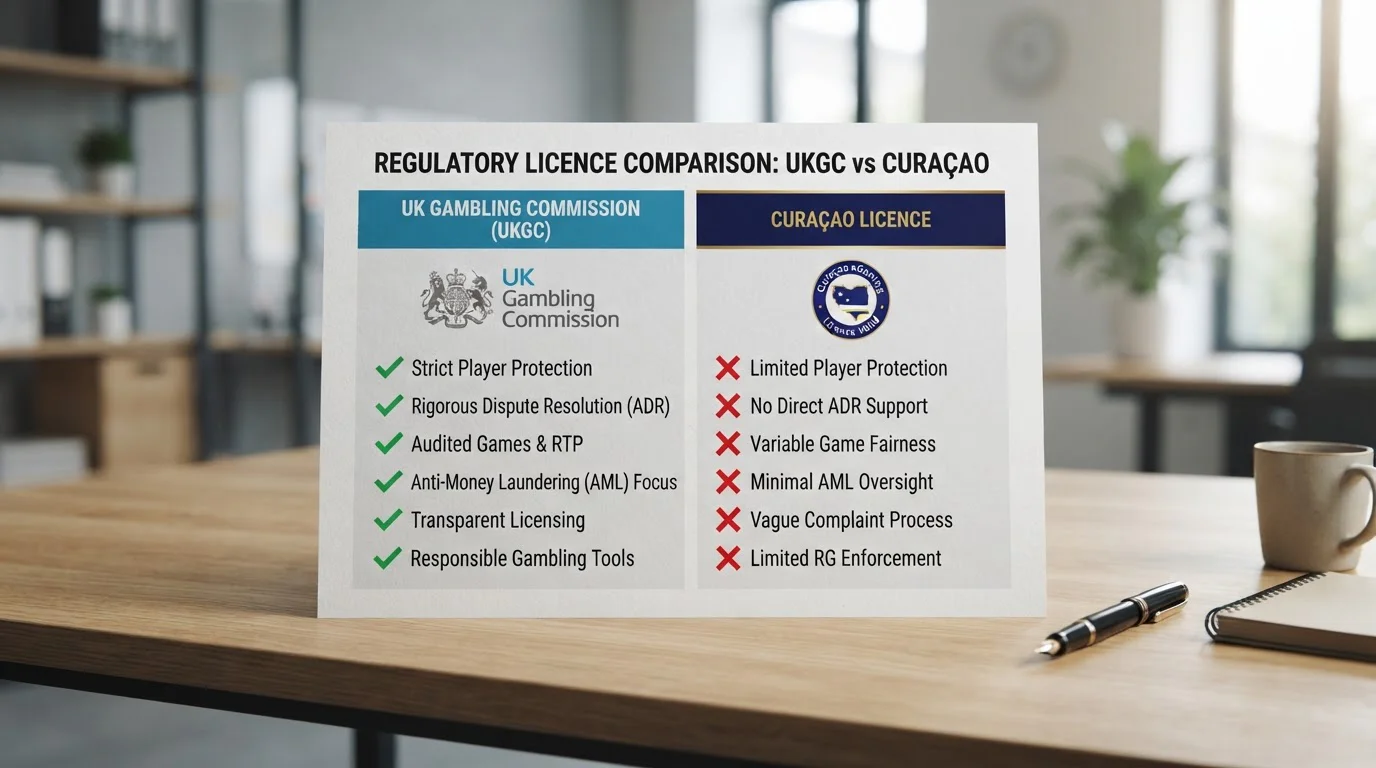
Affiliate pages list Curaçao-licensed brands: TikiTaka, BetLabel, Velobet, Gamblezen, Lemon Casino, 24Casino, Rolletto, Playfina. The claim is these sites still process AstroPay and accept UK players. Operator-level verification (checking the sites’ own terms, licence registers, live cashiers) returned contradictory data, geo-blocks, and unverifiable assertions.
Rather than reproducing affiliate claims this article exists to correct, the honest position is: offshore operators outside the UKGC perimeter may still integrate AstroPay through payment-service-provider connectors (Nuvei, Ecommpay, Corefy, SoftGamings), because those are B2B rails and the fact that AstroPay UK consumer accounts are closing doesn’t necessarily kill merchant processing globally. A Curaçao or Kahnawake casino whose players fund AstroPay wallets from non-UK jurisdictions can keep running the method.
But for a GB resident, what you forfeit by playing there is everything.
Can I use AstroPay at casinos not on GAMSTOP?
That’s the actual question the searches around “non gamstop astropay” are asking. The mechanical answer: yes, GAMSTOP is a condition of holding a UKGC remote licence (licence condition 3.5.5, mandatory since 31 March 2020), and an offshore site by definition operates without that licence. A self-exclusion registered with GAMSTOP does not propagate to operators outside the scheme.
The honest answer: doing so puts you outside every consumer protection the British regulatory framework exists to provide, and the AstroPay angle is a red herring. It’s not that AstroPay enables GAMSTOP bypass; it’s that any unlicensed operator lets you bypass GAMSTOP, because they’re not in the scheme and have no obligation to check it.
What you lose:
| Protection | UKGC-Licensed | Offshore Unlicensed |
|---|---|---|
| GAMSTOP coverage | Yes — mandatory multi-operator self-exclusion | No — operator not in the scheme |
| ADR access | Yes — UKGC-approved alternative dispute resolution is a licence condition | No — no British ADR route |
| Stake limits | Yes — £5/spin for 25+, £2/spin for 18–24 (from April/May 2025) | No — operator sets own caps or none |
| Game-design rules | Yes — no autoplay, no turbo spin, 2.5-second minimum spin cycle, no losses-disguised-as-wins | No — offshore software runs however it’s built |
| Financial vulnerability checks | Yes — light-touch checks at £150/month net deposits (from Feb 2025) | No — operator decides if/when to check anything |
| Recourse if operator withholds funds | UKGC complaints process → Ombudsman → enforcement action | None — UKGC has no jurisdiction; you sue in the operator’s home jurisdiction at your own expense |
The £5 stake limit on slots for over-25s is not a token gesture. It’s the product of five years of harm data showing high-stakes online slots correlate with financial distress. Offshore software doesn’t enforce it because no regulator compels the enforcement. That’s a feature if you want to bet £50 a spin; it’s a consumer-protection gap if the question is whether the environment is designed to limit harm.
Alternative dispute resolution matters more than it sounds. When a GB-licensed casino withholds a withdrawal, you complain to their ADR provider (IBAS, eCOGRA, or equivalent), and if that fails, you escalate to the Gambling Commission. The process costs you nothing and the operator has to engage or risk losing the licence. An unlicensed operator in Curaçao answers to its own regulator under its own jurisdiction’s rules, and those rules do not include a free British complaints path.
The Gambling Commission’s own guidance is careful: it tells consumers to check “that the gambling business holds a British Gambling Commission licence” and verify the details on the public register before transferring money. It does not publish a consumer-facing warning titled “what you lose at unlicensed operators”, but every licence condition the UKGC enforces on British operators is by definition absent where the operator holds no British licence.
So the real trade is: GAMSTOP bypass, yes. Everything else the UKGC framework provides, no. Whether that trade makes sense depends on why you registered with GAMSTOP in the first place.
How AstroPay Works (Wallet, Card, Voucher) — and Why the Distinction Matters Now
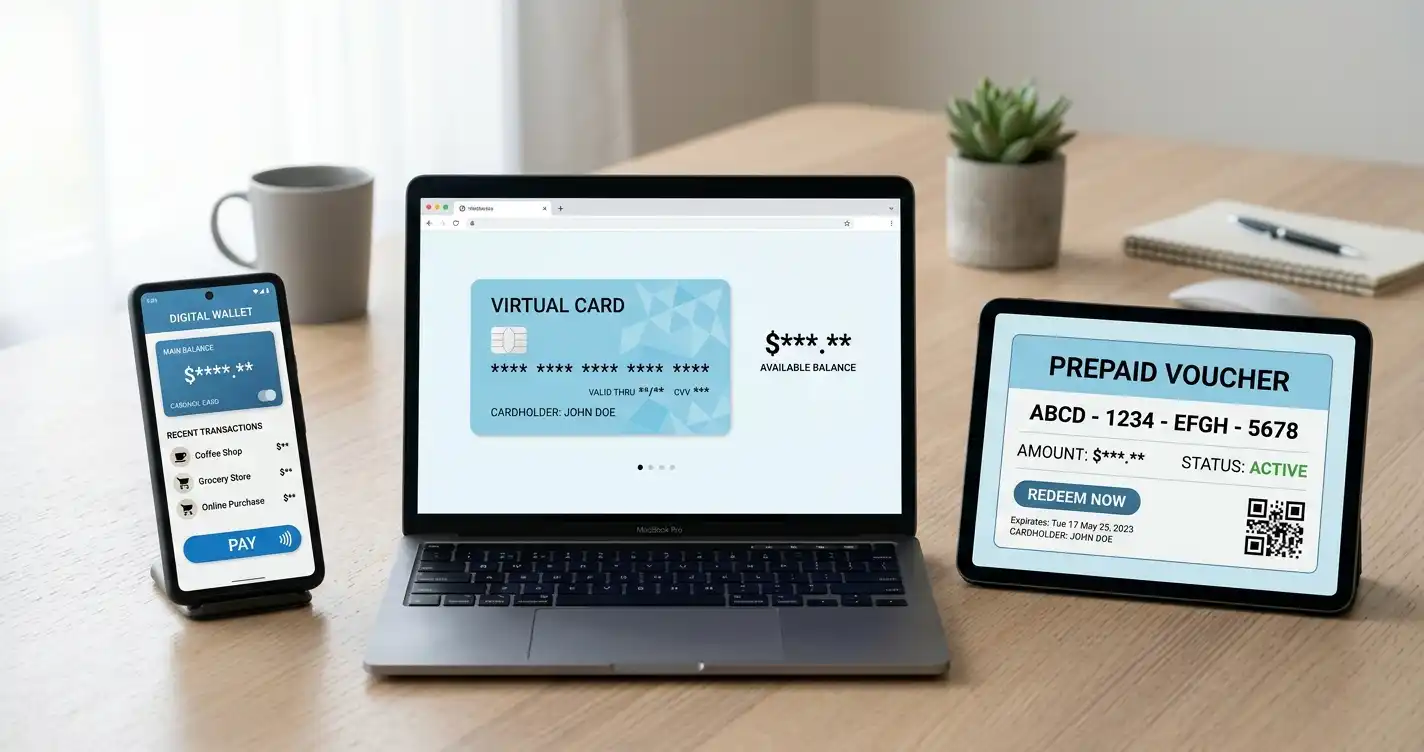
AstroPay is not one product; it’s three, and they behave differently when the issuing entity closes.
The Wallet
This is the core: a custodial e-money account holding balances in multiple currencies (GBP, EUR, USD, LatAm currencies, and USDT). You fund it via bank transfer (UK sort codes supported), card load, or receiving merchant payouts. It’s the only leg that can receive money back — casino withdrawals, P2P transfers, merchant refunds all land here.
If you have a balance in the wallet right now, here’s what the closure means:
Withdrawals to your bank account are still available, and AstroPay says that remains true after 9 October if you contact support. The help centre states: “If you’re unable to withdraw by October 9, there’s no hard cutoff for you — contact support and we’ll help you complete your withdrawal.”
Withdrawal processing typically takes up to 72 business hours. Limits vary by account verification level and aren’t published. Third-party accounts are not accepted, so the bank details must match your AstroPay-registered name.
The idleness fee: £20 deducted every 30 days for any balance remaining in a UK account after 9 October 2026. The help centre is unambiguous — “once it starts accruing it applies for as long as a balance remains after closure”, and it cannot be waived. If you’re sitting on £60, you have three billing cycles before the balance is consumed entirely.
The wallet closure also means no new funds in. You can’t top up to cover a pending casino deposit, can’t receive an incoming transfer from another AstroPay user, and can’t route refunds back from merchants. The account is in drain-only mode.
The Card
A virtual Visa card tied to the wallet balance. In the UK, it’s issued by Wallester AS under Visa licence and denominated in euros, not pounds. That currency denomination matters: a GBP wallet funding a GBP-billing casino transaction crosses currency twice (GBP to EUR when the card draws on the wallet, EUR to GBP when the casino processes in sterling). AstroPay publishes no currency conversion percentage, and the UK card terms state the cross-border rate comes from Visa’s franchise rules — “will be binding on you and you will have no rights to dispute or question any such exchange rate.”
The card is spend-only for this purpose. Refunds route to the wallet, not back onto the card. The terms: “you agree to accept credits to your Larstal Account for such refunds.” No ATM or cash access at all.
If you haven’t used the card in 60 days, Larstal reserves the right to cancel it immediately. Since top-ups are now blocked, that 60-day clock is running on any idle card without a reprieve.
The Voucher
The 16-digit prepaid code, traditionally labelled “AstroPay Card” at casino cashiers. Closed-loop and deposit-only — you buy the voucher, spend it, done. It cannot receive a payout or refund.
One sourcing caveat: a voucher reseller’s blog (dated 22 September 2026) claims iCash.One is a rebrand of the AstroPay Voucher product line, spun into a separately branded entity with Cayman Islands issuer infrastructure, and that some merchants “still display ‘AstroPay’ at checkout rather than the newer ‘iCash.One’ label.” That’s a single promotional source with no independent corroboration and no stated rebrand date. Treat it as unverified — but if true, it means casino cashiers showing “AstroPay voucher” branding in late 2026 may be displaying a legacy label for a different issuer entirely.
| Instrument | Can Receive Payouts | Closed-Loop | Still Functional Oct 2026 | Typical Use Case |
|---|---|---|---|---|
| Wallet | Yes | No | Withdrawal-only (closure, no new top-ups) | Merchant payouts, P2P, bank withdrawal |
| Card | No (refunds route to wallet) | No (open-loop Visa) | Dying (60-day inactivity auto-cancel, no top-ups to extend) | Casino deposits, online purchases |
| Voucher | No | Yes | Unclear (possible rebrand to iCash.One unverified) | One-time casino deposits, privacy-focused use |
What happens to the money left in my AstroPay wallet?
Withdraw it to your bank before the idleness fee starts accruing. The process runs through the AstroPay app or web interface: navigate to withdrawal, select bank transfer, enter your account details (must match your registered name), confirm. Typical processing is up to 72 business hours, and the help centre says support will assist “even after the account has closed” if you miss the 9 October window.
Zero-balance accounts need nothing and close automatically. Accounts with a balance remain accessible for withdrawal indefinitely, but the £20-per-30-days fee applies from 10 October onward.
The UK terms state Larstal may retain funds for up to one year against potential reversals or liabilities, and that unused funds from a closed account are redeemed within 30 business days of closure. If you contact support and request closure with a balance, expect those timelines.
What to Use Instead — Payment Methods That Actually Work at UK Casinos
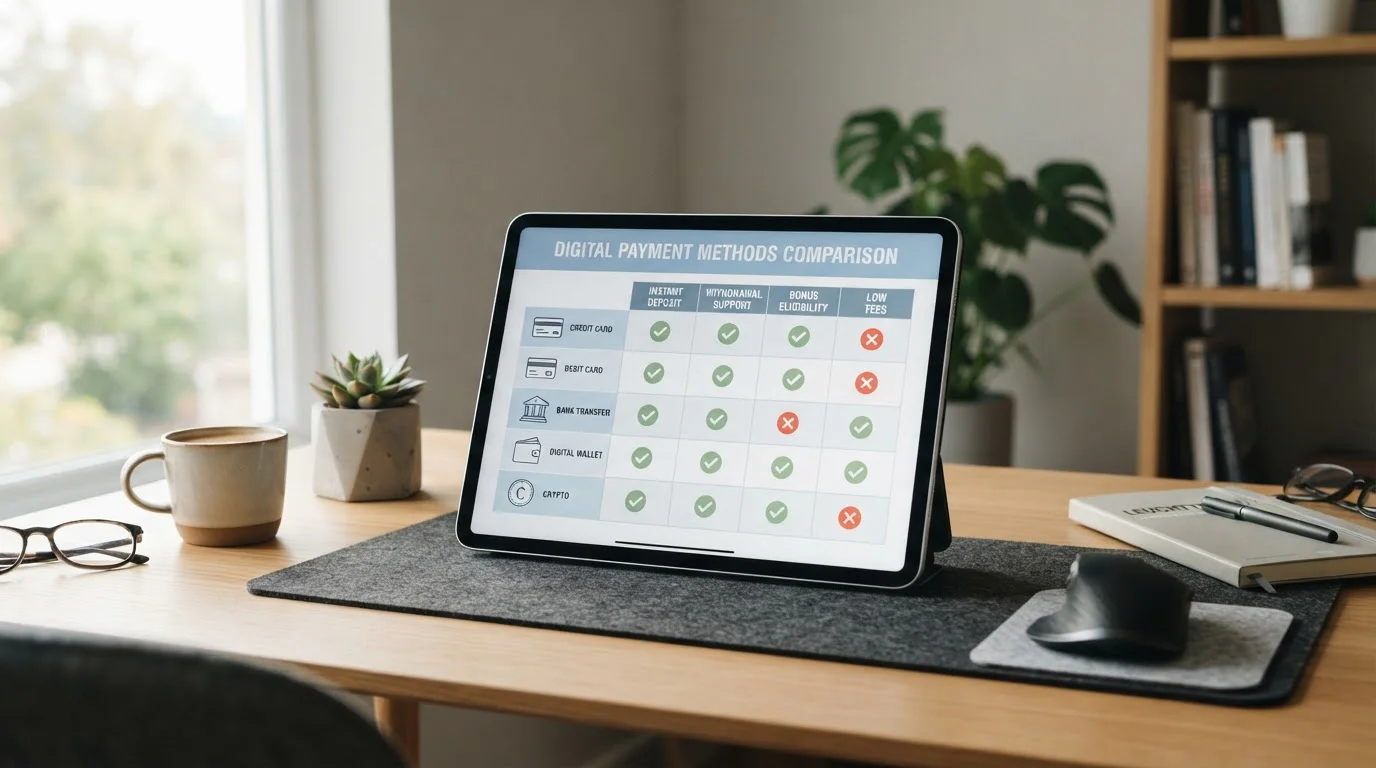
Thirteen methods carry the load at UKGC-licensed operators, and they split on three axes: whether they qualify for welcome bonuses, whether they support withdrawals, and what appears on your bank statement. The table compresses the comparison; the paragraphs after it expand on the two that genuinely replace AstroPay’s original selling points.
| Method | UKGC Availability | Min Deposit | Withdrawal Support | Bonus Exclusion | Bank Statement Shows | Typical Withdrawal Speed |
|---|---|---|---|---|---|---|
| Debit Card (Visa/Mastercard) | Universal | £5–£10 | Yes (Visa Direct 1–4h, standard 1–3 days) | None | Casino name or payment processor | 1–4 hours (fast track) / 1–3 days |
| PayPal | Common (~40 operators) | £5–£10 | Yes (minutes to 24h) | Some (William Hill, Grosvenor exclude) | PayPal transaction | Minutes to 24 hours |
| Apple Pay | Common | £5–£10 | Yes (routes to underlying card, 1–4h) | Some (William Hill excludes) | Underlying card descriptor | 1–4 hours |
| Google Pay | Rare | £5–£10 | No | Rare | Underlying card descriptor | N/A (deposit-only) |
| Skrill | Common | £5–£10 | Yes (24–48h to wallet) | Widely excluded | Skrill transaction | 24–48 hours + wallet-to-bank 1.75% fee |
| Neteller | Common | £5–£10 | Yes (~24h to wallet) | Widely excluded | Neteller transaction | ~24 hours + wallet-to-bank 1.75% fee |
| paysafecard | Occasional | £10 | Deposit-only in UK casino practice | Some (Grosvenor, Rialto exclude) | paysafecard or retail purchase | N/A (deposit-only) |
| Trustly / Open Banking | Common | £10 | Yes (instant where supported) | None | Bank name or Trustly | Instant (where supported) / 1–3 days |
| MuchBetter | Occasional | £10 | Yes (24–48h) | None | MuchBetter | 24–48 hours |
| Payz (ecoPayz) | Occasional to rare | £10 | Yes (24–48h + 1–3 days to bank) | None | Payz | 24–48 hours + bank leg |
| Revolut | Rare as named method; card works in standard slots | £5–£10 | Yes (1–3 days, as debit card) | None | Revolut or card | 1–3 days |
| Jeton | Rare at UKGC sites | £10 | Yes (wallet), No (cash vouchers) | None | Jeton | 0–24 hours (wallet) |
| Pay by Mobile (Boku) | Occasional | £5–£10 | No | None | Phone bill / airtime deduction | N/A (one-way to bill) |
What is the best alternative to AstroPay for UK casino deposits?
AstroPay’s two selling points were (a) bonus eligibility despite being an e-wallet, and (b) bank-statement discretion — the casino name didn’t appear on your high-street bank statement because the transaction sat inside the wallet.
If bonus eligibility is the priority: debit cards (Visa, Mastercard) and Trustly / Open Banking qualify universally. PayPal qualifies at most operators but not all (William Hill and Grosvenor exclude it from welcome offers). Skrill and Neteller are the industry-standard exclusions — widespread availability, explicitly blocked from bonuses at the majority of GB-licensed sites to prevent bonus abuse through rapid e-wallet cycling.
The exclusion logic: e-wallets let a player move money in and out fast, claim a bonus at site A, cash out via the wallet, deposit the same balance at site B for another bonus, repeat. Operators counter by excluding Skrill and Neteller from promotional terms. PayPal gets similar treatment at some brands. AstroPay historically avoided that exclusion because it was rare enough in the UK that no abuse pattern developed around it. Prepaid methods (paysafecard, pay by mobile) generally qualify where accepted.
If statement discretion is the priority: Trustly and Open Banking sit closest to AstroPay’s original pitch. The transaction descriptor on your bank statement shows “Trustly” or the bank’s own Open Banking label, not the casino’s name. Some operators route Trustly through their own payment processor, which changes the descriptor — but Trustly’s own infrastructure keeps the casino name off the statement by design.
Skrill, Neteller, Payz and MuchBetter also provide statement discretion (the bank statement shows the wallet name, not the merchant). But those come with fees: Skrill charges 1.75% to withdraw from wallet to bank (minimum £3.50) plus a £5 monthly inactivity fee after six months; Neteller charges 2.5% on deposits into the wallet and 1.75% on withdrawals (minimum $3.50). MuchBetter charges 2% on gambling transactions.
Trustly is fee-free at the casino level and usually instant on withdrawal where the operator supports it. The catch: not all UKGC operators handle Trustly payouts instantly, despite the rail supporting it technically — casino withdrawal timelines of 1–3 days reflect internal review periods, not the payment method’s capability.
The credit-card ban and e-wallet funding
The April 2020 credit-card gambling ban applies indirectly to e-wallets. UKGC guidance states operators accepting e-wallet payments (PayPal, Skrill) must ensure “the money was not loaded from a credit card.” Skrill and Neteller explicitly block credit-card funding for UK gambling — you can load the wallet with a credit card for non-gambling use, but if the transaction routes to a GB-licensed casino, the funding source is restricted to debit or bank transfer.
This creates a mechanical quirk: debit-card loading into an e-wallet and then depositing at a casino is allowed under UKGC rules, but it adds a fee layer (the wallet’s own charges) and usually excludes the transaction from welcome bonuses. A direct debit-card deposit to the casino skips both problems. The e-wallet makes sense primarily for players who value the statement discretion or need to manage a gambling budget separately from their main bank balance.
Fees, Limits and the Idleness Trap
AstroPay UK publishes no fee schedule. The terms state “we shall charge you the fees as set out in our Web & App from time to time”, with two months’ notice of increases. No currency conversion percentage, no wallet-to-bank withdrawal fee, and no UK-specific limits appear anywhere in the public documentation.
The only published fee percentages are LatAm card fees (Argentina 3.5% local card / 4% international, Brazil/Colombia/Mexico 2.5%, ATM withdrawals 1.5%), and those do not apply to the UK EUR virtual card. Any fee statement in the wild that assigns AstroPay a specific percentage to UK transactions is either inventing the figure or recycling a number from a different jurisdiction.
Casino-side, the ProgressPlay brands that historically carried AstroPay listed minimum deposits of £10–£20 and withdrawal fees of 1% capped at £3 — but those are the operator’s own terms, not AstroPay’s.
The idleness fee is the number that matters right now: £20 every 30 days on UK accounts with a remaining balance after 9 October 2026. That’s the UK terms under clause 7 (“Idleness Fee”), described as triggered “at AstroPay’s discretion” when a customer fails to respond to AstroPay requests within a specified timeframe. The help-centre closure notice applies it without ambiguity: a flat £20 per 30 days, no waiver, charged “for as long as a balance remains after closure.”
For a £60 balance left behind, three billing cycles consume it entirely. £200 buys ten months. The fee runs until the balance hits zero or you withdraw.
The Safety Question — FCA Authorisation, FSCS Exclusion, and Ombudsman Decisions
Larstal Limited held FCA authorisation as an electronic money institution under the Electronic Money Regulations 2011. That status means customer funds were ring-fenced in a designated safeguarding account, separated from company operating money. The UK terms: “we will hold funds received in a designated safekeeping account with a regulated financial institution in accordance with the Electronic Money Regulations 2011 (as amended by the Payment Services Regulations 2017).”
Ring-fencing is not the same as deposit insurance. The terms state explicitly: “Your Wallet is not a deposit account, which means that your funds will not be protected by the Financial Services Compensation Scheme in the United Kingdom.” In the event Larstal goes insolvent, safeguarded balances are returned to customers under the EMI insolvency regime, but the FSCS’s £85,000-per-institution protection does not apply. The same exclusion applies to the Isle of Man entity (AstroPay Global (IOM) Limited) and the Isle of Man Depositors’ Compensation Scheme.
Is AstroPay safe for casino deposits?
The regulatory authorisation was real while it lasted. The question is what happened when things went wrong.
Financial Ombudsman decisions offer the clearest window. Two upheld complaints against Larstal Limited surface in the public record:
DRN-5617801 (decided 12 June 2025): Miss D loaded £84.47 on 3 November 2023, paid a merchant, received a refund the next day, attempted a withdrawal on 8 November which failed on “an external timeout”, and on 9 November Astropay received a chargeback on the original load and blocked her account. Astropay used the £84.47 to settle the chargeback. She was told the account was blocked “for risk and compliance reasons” with no further explanation. Astropay failed to respond to the Ombudsman’s investigator. The decision: “Astropay has failed to communicate with Miss D in any effective way. The voluntary restriction by the FCA doesn’t prevent Astropay explaining what has happened to Miss D.” Award: £150 compensation plus refund of £84.47 “when the FCA’s restrictions are removed against it.”
That conditional phrasing in June 2025 — more than a year after the April 2024 FCA undertaking — shows the restriction was still live enough that the Ombudsman couldn’t order immediate redress.
DRN-5356967 (decided 9 September 2025): Mr B contacted a fake AstroPay social media profile (28 followers, correct logo, plausible handle) chasing cashback, shared an SMS verification code, and a third party added a new device and moved £2,411.09 out over three payments. Astropay refused the claim, arguing gross negligence. The Ombudsman ruled: “the starting position is that Astropay is liable for unauthorised payments”; the SMS code message “doesn’t set out what the code can be used for or why it was requested… It doesn’t, for example, say that it will enable a new device to be added.” Award: refund £2,411.09 plus 8% simple interest.
In both cases Astropay either failed to engage or argued a position the Ombudsman found legally wrong. The £2,411.09 claim is the sharper one: a user fell for a fake social-media profile, shared a code, and lost four figures. The Ombudsman found Astropay liable because the SMS did not explain what the code enabled — a consumer-protection standard under the Payment Services Regulations that Larstal failed to meet.
These are not edge-case outcomes. They’re the documented consumer experience when the e-money institution makes an error or applies its own terms incorrectly. The Ombudsman corrected it, but only after formal complaints, investigator non-response in one case, and months of process.
Safeguarding protects you if Larstal goes insolvent. The PSRs and the Ombudsman protect you if Larstal mishandles your transaction. Neither protects you if Larstal closes your account for “risk and compliance reasons” it won’t explain and the FCA restrictions mean redress comes with a “when restrictions are lifted” condition attached.
For casino deposits specifically, the AstroPay route is now moot — the UK issuing entity is closing. The safety question was always “is the e-money institution sound,” not “is the casino sound.” Larstal’s soundness is a question the FCA answered in April 2024 by barring it from providing payment services without prior consent.
Bonuses, Wagering and Whether AstroPay Deposits Qualify
The prepaid and e-wallet exclusion problem is operator-specific. Some British casinos block prepaid methods from welcome bonuses; others allow them. Skrill and Neteller are the universal exclusions — you’ll find “excludes Skrill, Neteller and other e-wallets” in the fine print at most UKGC-licensed sites, a contractual response to bonus-abuse patterns where players cycle funds rapidly through those wallets.
PayPal gets excluded at some operators (William Hill, Grosvenor) but not all. paysafecard is blocked from bonuses at Grosvenor and Rialto but allowed elsewhere. The pattern: high-liquidity methods where a player can move money in and out fast get restricted; methods with natural friction (debit cards, bank transfers) generally qualify.
AstroPay historically qualified where it was accepted, because it was rare enough in the UK market that no widespread abuse pattern developed. The affiliate pages selling it as a “bonus-eligible e-wallet” were technically correct in that narrow sense: it was an e-wallet that avoided the Skrill/Neteller exclusion list. But that was a product of obscurity, not a designed feature.
The December 2025 UKGC rule changes tightened wagering requirements across the board. Maximum wagering is now 10× the bonus amount — a £10 bonus cannot require more than £100 in wagering. Mixed-product promotions (requiring play across different gambling types, like “bet on sports + play slots”) are banned outright. These are UKGC-only rules; offshore operators set their own terms.
For a British player looking at an AstroPay-accepting offshore casino in late 2026, the bonus question is: does the method qualify, and are the terms even subject to the 10× cap? The answer to the first depends on the operator; the answer to the second is no, because the 10× cap is a UKGC licence condition and an unlicensed operator doesn’t follow it.
Do AstroPay deposits qualify for casino welcome bonuses?
Where AstroPay was accepted at UKGC sites — historically, the ProgressPlay brands — deposits typically qualified for welcome offers, unlike Skrill and Neteller. That was one of the method’s two selling points. The other was statement discretion (the casino name not appearing on your bank statement).
Now that the UK entity is closing and even the white-label brands have removed it, the question is mostly historical. If you’re asking it for an offshore operator, check the operator’s own bonus terms — the fact that a method *can* qualify doesn’t mean it *does* at every site.
What the UK Gambling Rules Mean for Your Choice
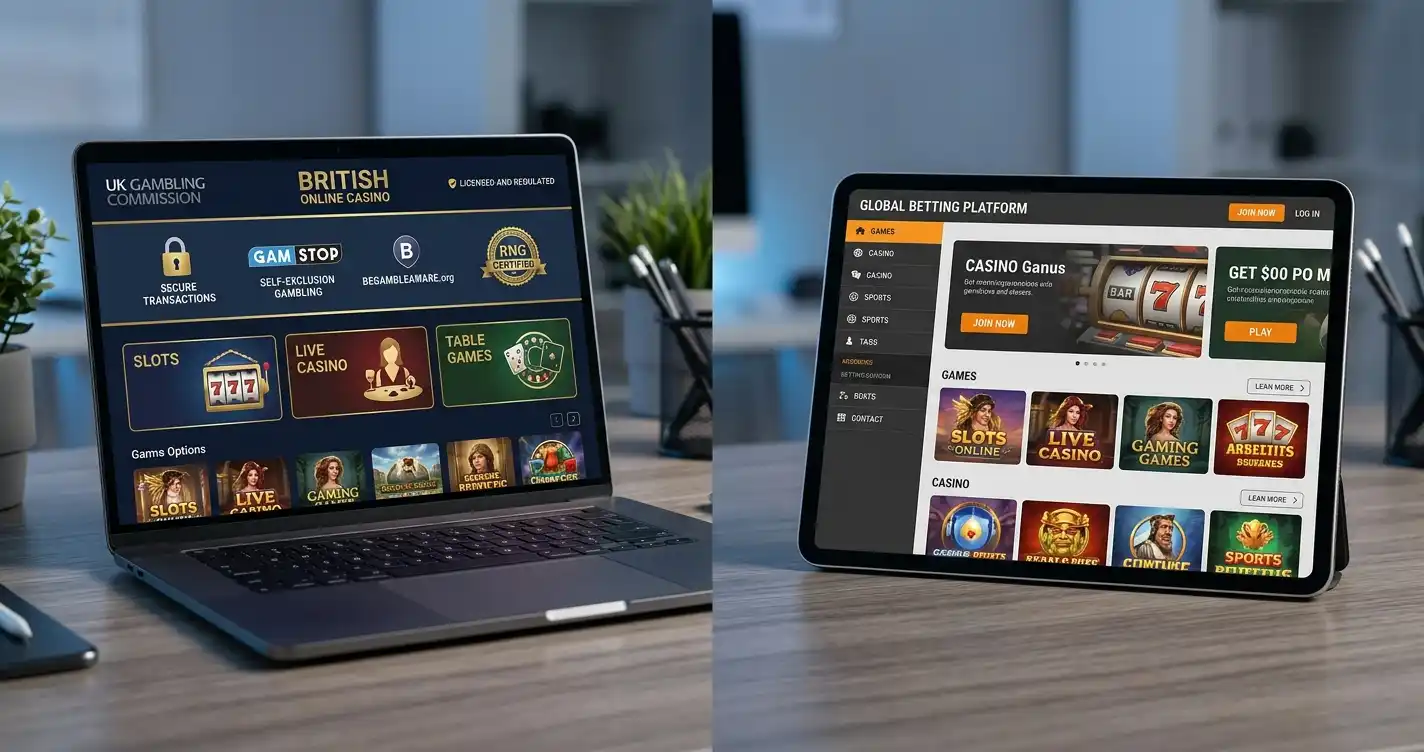
The dividing line this whole page turns on is the UKGC operating licence. An operator transacting with British consumers must hold one under the Gambling Act 2005 as amended by the 2014 Licensing and Advertising Act. The 2014 amendment moved Britain to a point-of-consumption basis: if the gambling facilities “are used in Great Britain” and the provider “knows or should know” they’re being used here, a licence is required.
Every protection a UKGC-licensed operator provides is a condition of holding that licence. An offshore operator by definition operates without it, which means every one of those conditions is absent.
| Feature | UKGC-Licensed | Offshore Unlicensed |
|---|---|---|
| GAMSTOP coverage | Yes — licence condition 3.5.5, mandatory since 31 March 2020; 614,738 active registrations as of July 2026 | No — operator not in scheme, no obligation to check |
| ADR access | Yes — UKGC-approved alternative dispute resolution (IBAS, eCOGRA, etc.) is licence condition; free to consumer | No — no British ADR route; disputes go to operator’s home jurisdiction |
| Stake limits | £5 per spin for players aged 25+ (from 9 April 2025); £2 per spin for players aged 18–24 (from 21 May 2025) | No caps, or operator’s own discretion — no regulator compels limits |
| Game-design rules | Autoplay banned, turbo/slam-stop banned, minimum 2.5-second spin cycle, no losses-disguised-as-wins (celebrations when return < stake), 5-second minimum for other casino games | No restrictions — offshore software behaves as built |
| Financial vulnerability checks | Light-touch checks at £150 net deposits in rolling 30 days (from 28 Feb 2025); heavier checks at £5,000/24h or £2,500 for under-25s | None, or operator’s own discretion — no regulator compels checks |
| Recourse if operator withholds funds | UKGC complaints process → ADR provider → Gambling Commission enforcement → licence sanction | None — UKGC has no jurisdiction over unlicensed operators; player sues in operator’s home jurisdiction at own expense |
The £5 stake limit is the product of British harm data accumulated over five years. The October 2021 game-design rules (no autoplay, 2.5-second minimum spin, no turbo, no LDW celebrations) came from the same evidence base. Offshore operators don’t enforce either because no regulator with power over them demands it.
GAMSTOP registrations — over 614,000 active as of July 2026, up 16% year-on-year in H1 — are only effective at operators in the scheme. If the self-exclusion was registered because gambling was causing harm, bypassing it via an offshore site doesn’t eliminate the harm; it eliminates the friction designed to prevent you continuing while excluded.
The ADR route matters more than it sounds. When a GB-licensed casino delays a withdrawal, withholds winnings citing a bonus-term breach you dispute, or closes your account and refuses to explain why, you escalate to their ADR provider (named in the operator’s terms) at no cost. The ADR provider investigates, and if they rule in your favour, the operator complies or risks losing the UKGC licence. An offshore operator answers to its own jurisdiction’s dispute process under that jurisdiction’s rules, none of which include a free British-resident complaints scheme.
One analytical note: the Gambling Commission’s consumer guidance focuses on “check the operator is licensed” rather than “here’s what you lose if they’re not.” The absence of a consumer-facing “dangers of unlicensed operators” page is a policy choice — the UKGC’s position is that the licensing requirement is the dividing line, and consumers are expected to verify licensing before depositing. The protections above exist in statute and licence conditions; they’re just not packaged into a single “what you give up” comparison on the UKGC website.
AstroPay and UK Casino Deposits in 2026
The payment provider is leaving the British market. The FCA regulatory history (April 2024 voluntary undertaking, July 2025 reopening, September 2026 closure process, 9 October 2026 target date) is documented. The £20-per-30-days idleness fee on remaining balances is company policy, stated without ambiguity. The mainstream UK operators never carried it structurally, because the prepaid-card design is what bet365 and similar brands explicitly refuse. The white-label platform brands that did carry it removed it between July 2024 and September 2025, coinciding with the FCA restrictions and the subsequent market exit.
The offshore operators that affiliate pages claim still accept it cannot be independently verified at operator level. Even if they do process AstroPay through PSP rails, using them forfeits every consumer protection the UKGC framework provides — GAMSTOP, ADR, stake limits, game-design rules, financial checks, and any recourse if the operator withholds funds.
The alternatives that genuinely replace AstroPay’s original selling points (bonus eligibility plus statement discretion) are debit cards and Trustly/Open Banking. Trustly shows “Trustly” on the bank statement instead of the casino name, qualifies for welcome bonuses universally, and supports instant withdrawals where the operator enables it. Debit cards are universal, fee-free, and qualify for every bonus. Skrill and Neteller offer statement discretion but are excluded from bonuses at most UKGC sites and charge 1.75% to withdraw from wallet to bank.
If you have a balance in an AstroPay wallet right now, withdraw it to your bank before the idleness fee starts accruing. The company says support will assist “even after the account has closed”, but the fee is £20 every 30 days and cannot be waived once it starts. Withdrawal to bank typically processes within 72 business hours; limits and verification requirements vary by account status.
Can I still use AstroPay at online casinos in the UK?
Not at UK-licensed operators — the white-label brands that historically carried it removed it by September 2025, and mainstream GB operators never listed it. Offshore unlicensed sites may still process it through payment-service-provider connectors, but verification at operator level returned contradictory data and geo-blocks. More importantly, the UK entity issuing AstroPay wallets to British consumers (Larstal Limited, FRN 901001) is closing accounts on 9 October 2026, so even if an offshore cashier displays an AstroPay logo, the funding route for a UK resident is shut off at the source.
The deposit method isn’t working because the payment provider stopped issuing it here. That’s the honest answer affiliate pages dated September and October 2026 still aren’t publishing.
Casino Deposit Methods UK 2026 — Compare Payment Options
Content created by the «casinopayexp» team